
 Image 1 of 6
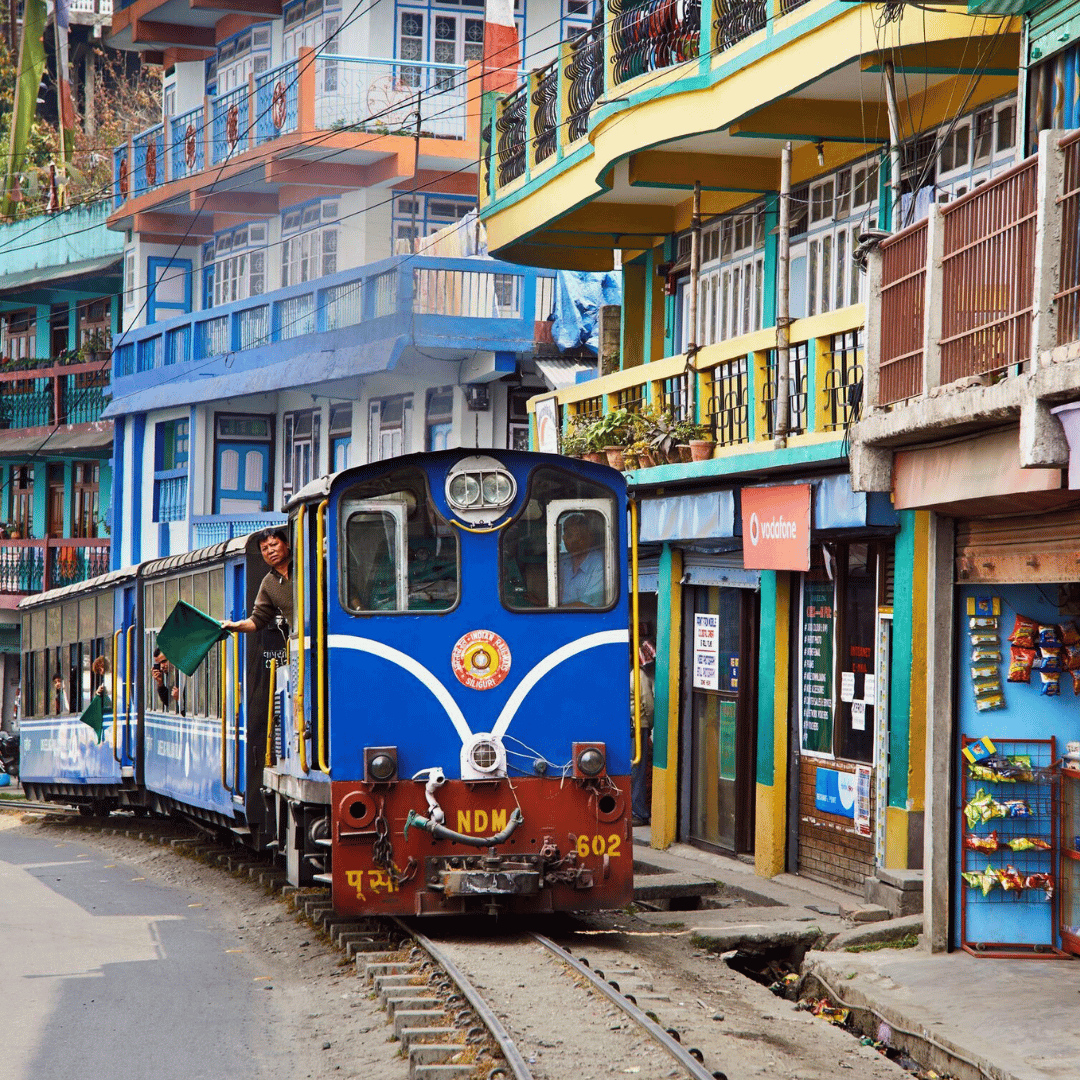 Image 2 of 6
 Image 3 of 6
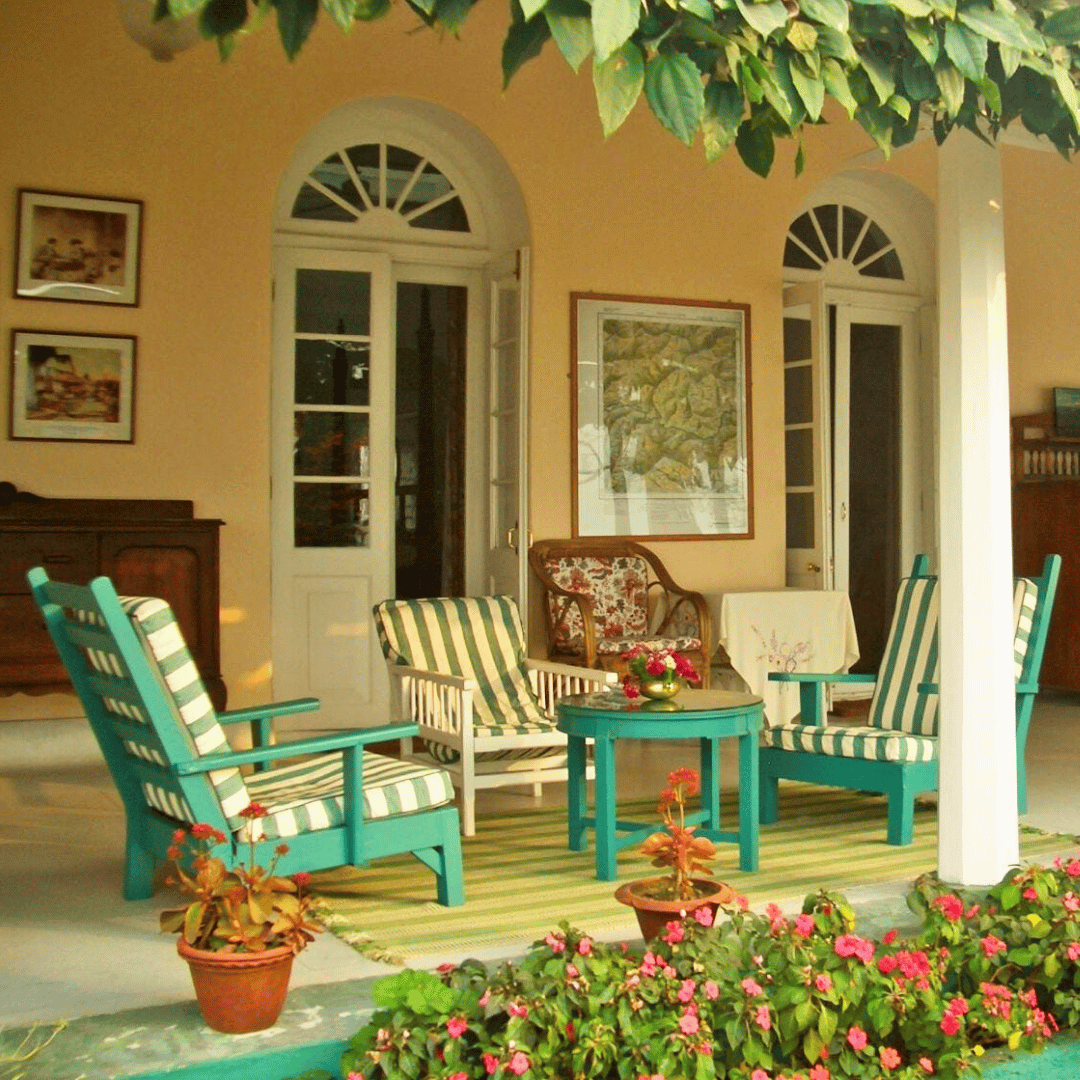 Image 4 of 6
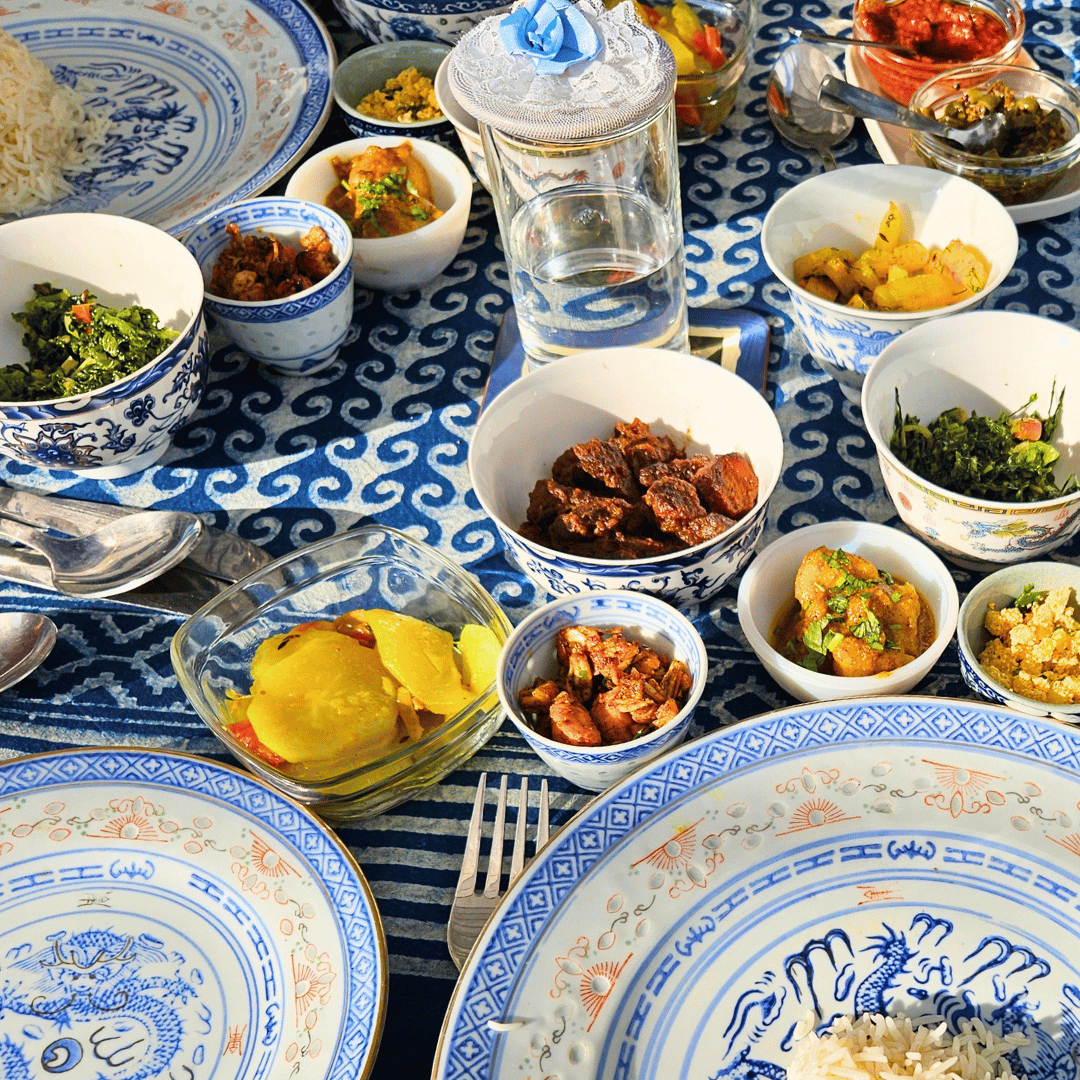 Image 5 of 6
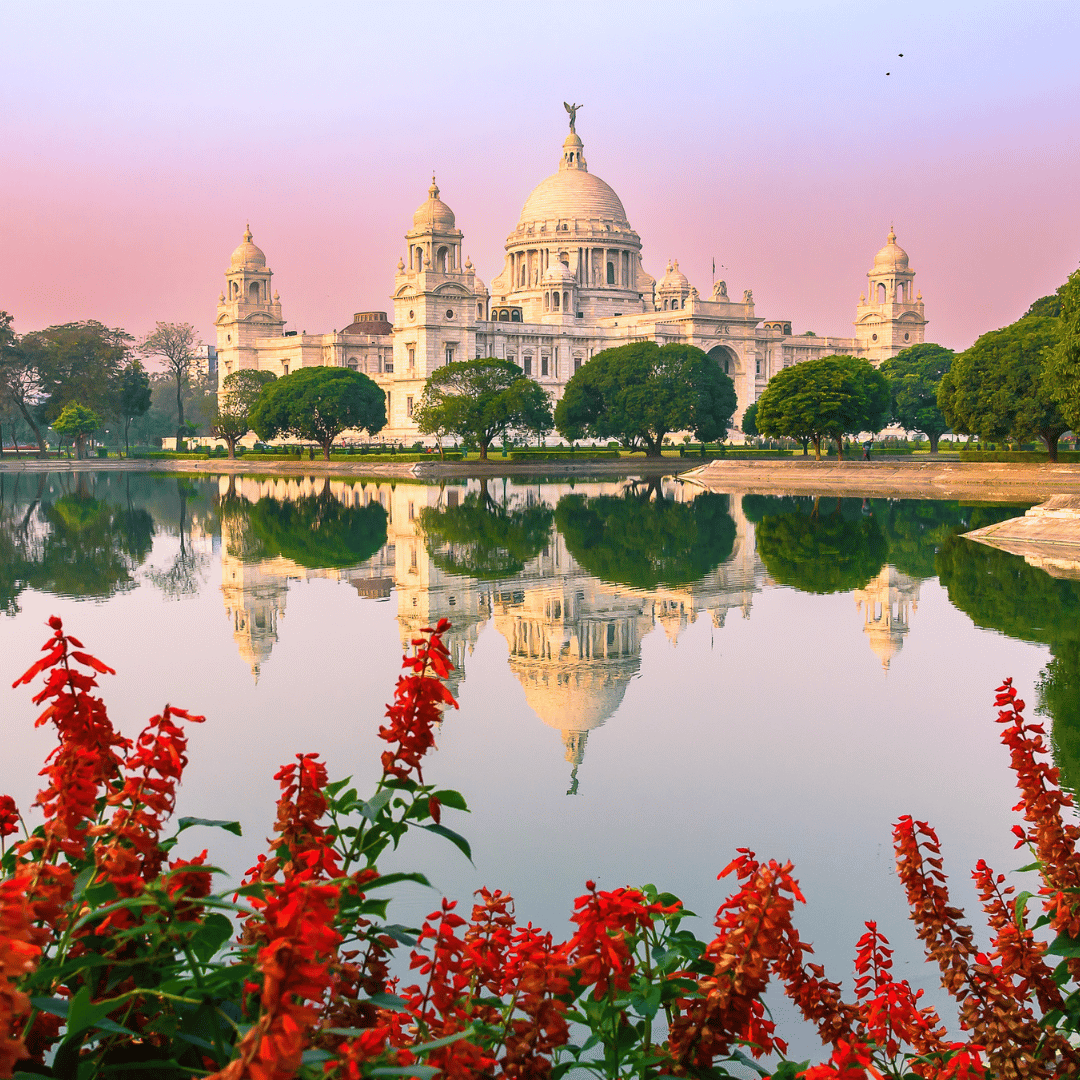 Image 6 of 6
-
Bucket List Trails
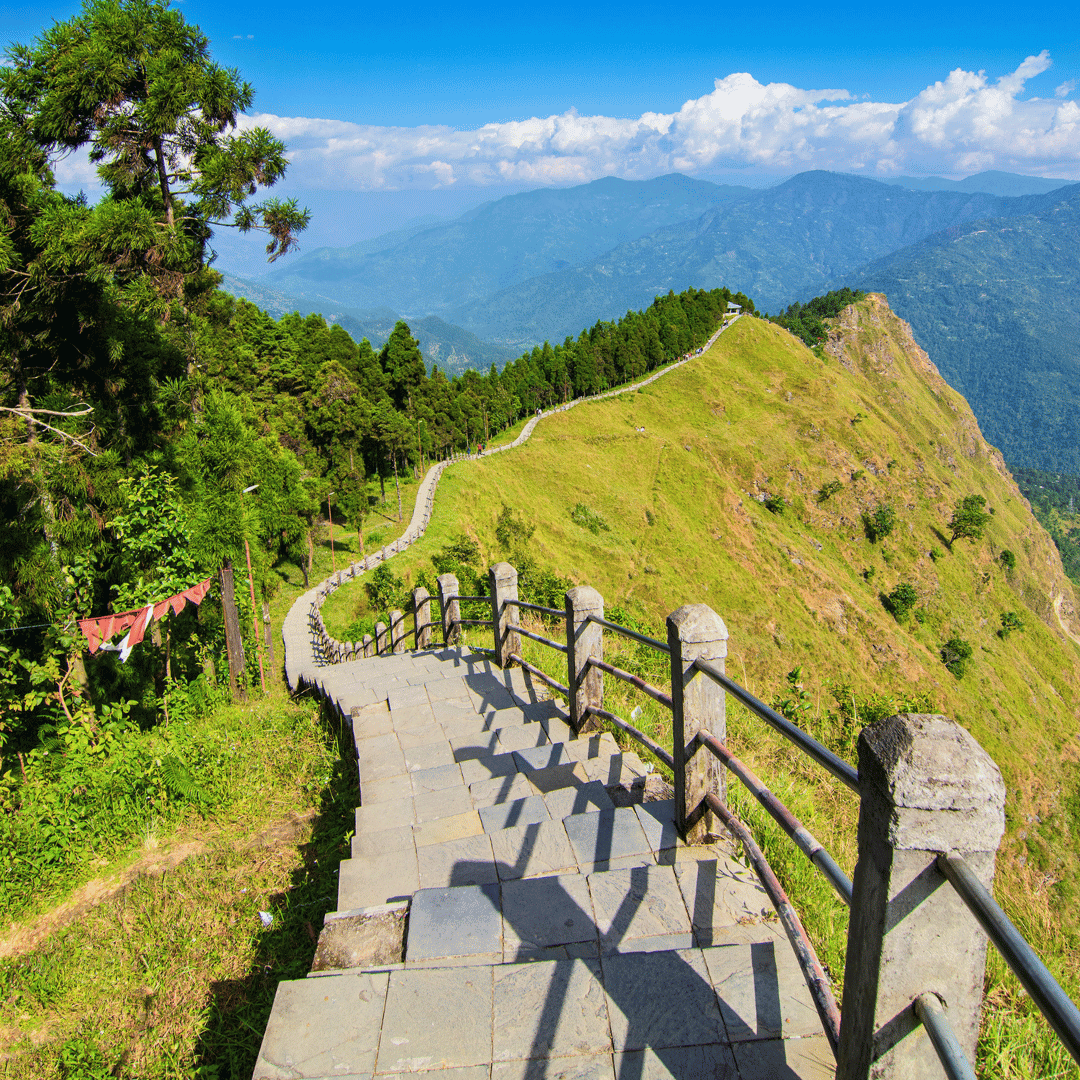
Combine tea estate trails, village paths and forest walks with time in a lesser seen corner of the Indian Himalaya. Walking through Darjeeling, Kalimpong and the hills of Sikkim reveals mountain communities, Buddhist monasteries and landscapes that many travellers never get to experience.
-
Authentic Cuisine
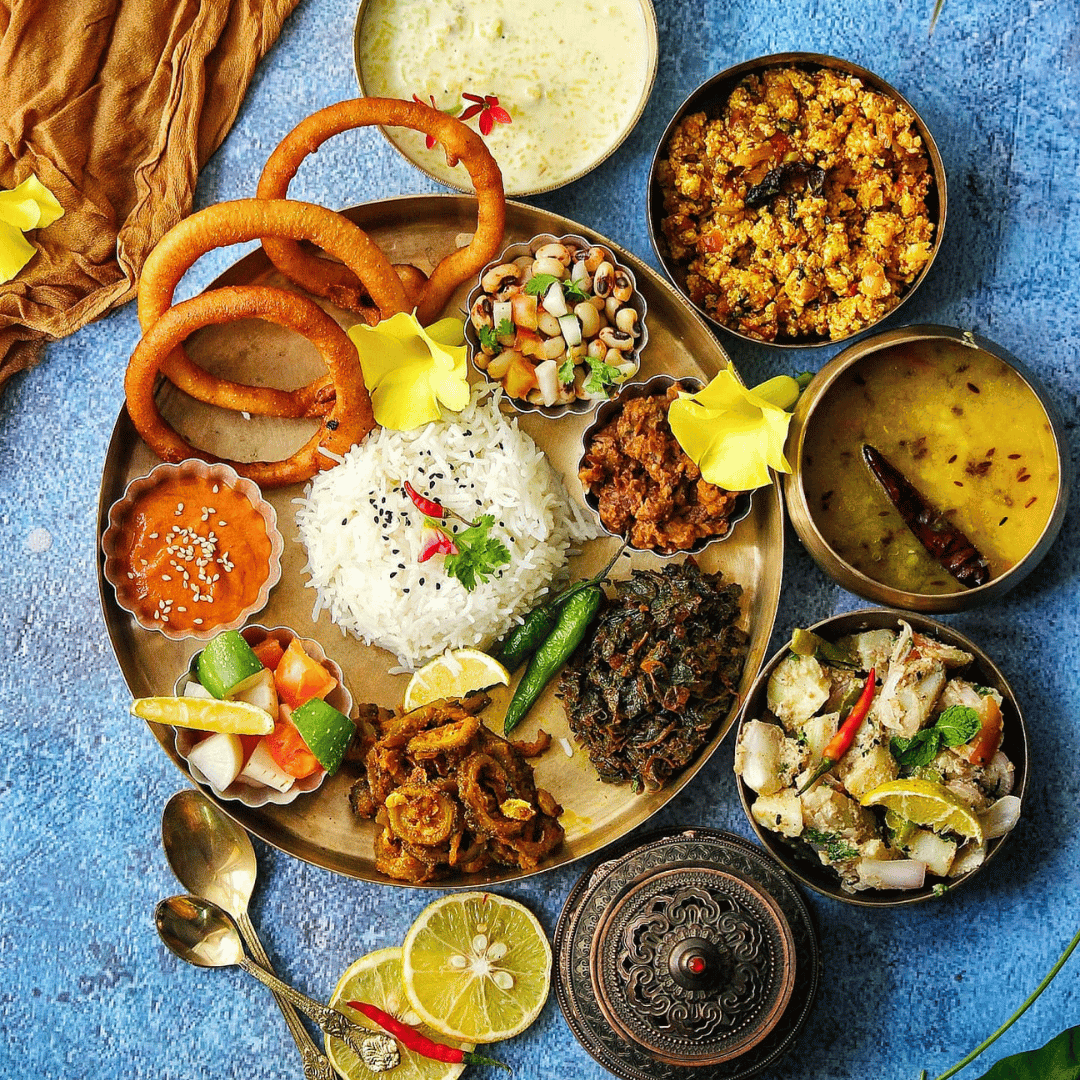
With 14 breakfasts, 3 lunches and 14 dinners all included, our guests can expect a wide variety of meals that are unlikely to be found anywhere else in the world - all served with authentic East Indian hospitality and options for every palate, from traditional Himalayan dishes to regional Bengali cuisine.
-
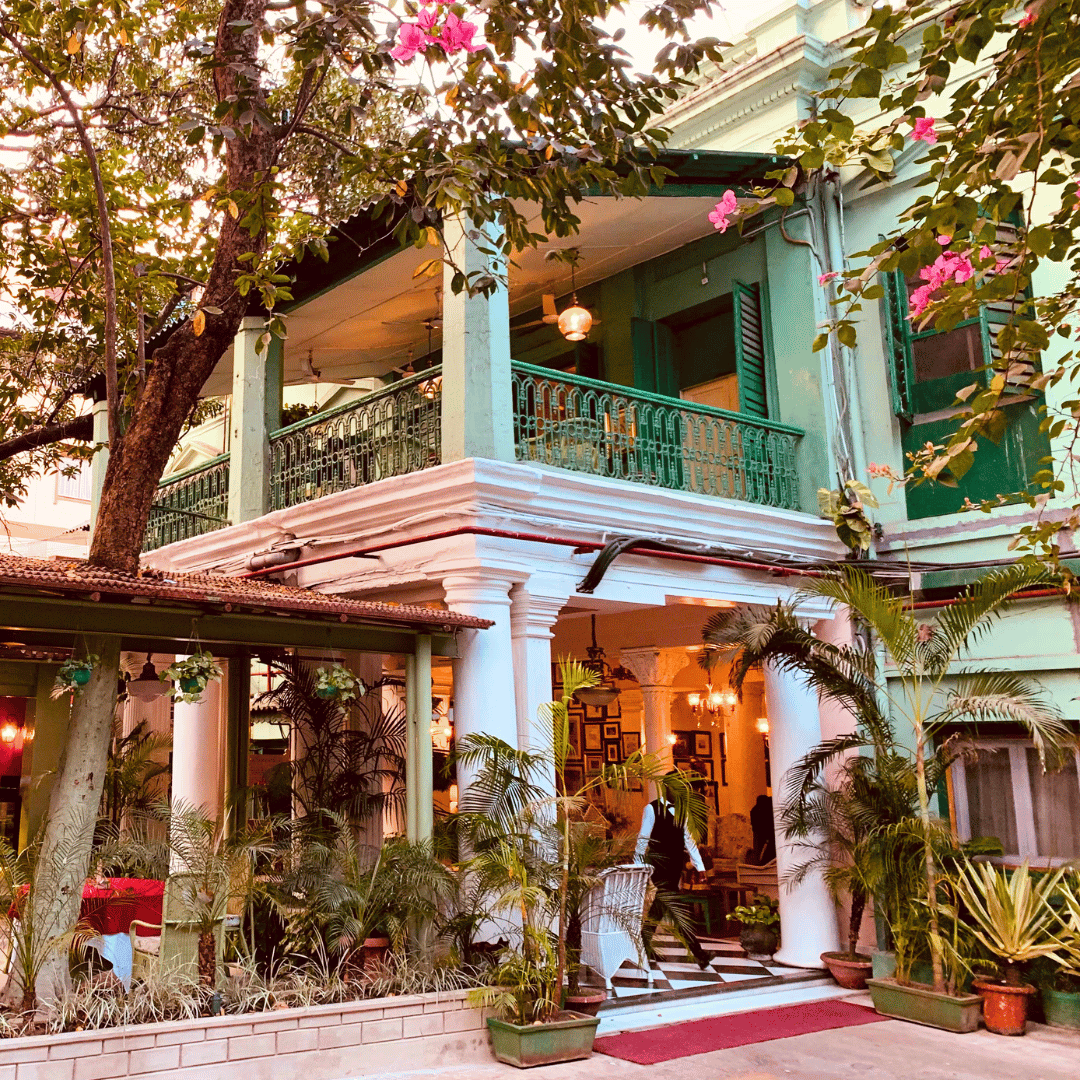
Memorable Stays
With heritage tea bungalows, boutique Himalayan lodges and family-run mountain stays, the 14 nights of accommodation throughout the journey reflects the character of the region itself. Expect local Indian icons like the Elgin Fairlawn in Kolkata to Glenburn Tea Estate.
India Walking Tour Itinerary
-
Arrive in Kolkata this evening where you’ll be met on arrival and driven to Fairlawn, your base for the next three nights. The hotel sits in the heart of the city and is an easy place to settle in after a long journey.
Kolkata has long been known as a centre of culture and learning, and during the British Raj it served as the capital of India and a major hub for trade. That era helped shape a city that went on to nurture writers, artists, musicians, filmmakers, philosophers and scientists, giving it a distinctive creative life.
As you begin your journey, you’ll get your first sense of Kolkata’s mix of colonial buildings, lively neighbourhoods, mosques, temples, universities and museums. The city offers a deep and varied introduction to eastern India and sets the tone for the days ahead.
🛏️ The Elgin Fairlawn
Located in the most lively and historic part of Kolkata, The Elgin Fairlawn is an award winning heritage hotel set in a colonial era building from 1783, with major landmarks like the Indian Museum, Victoria Memorial and Park Street an easy walk away. Rooms are spacious with an en suite and thoughtful luxury touches, and the hotel’s Garden Cafe and long standing Lobby Lounge add to its character as a Sudder Street landmark. -
We keep today’s pace steady, giving ourselves the chance to absorb Kolkata’s character as it unfolds around us. The city has an energy that is both historic and constantly renewing itself, and it is easy for our excitement to run ahead of the plan. The aim is to let the city draw us in through colour, sound and movement rather than rushing from sight to sight.
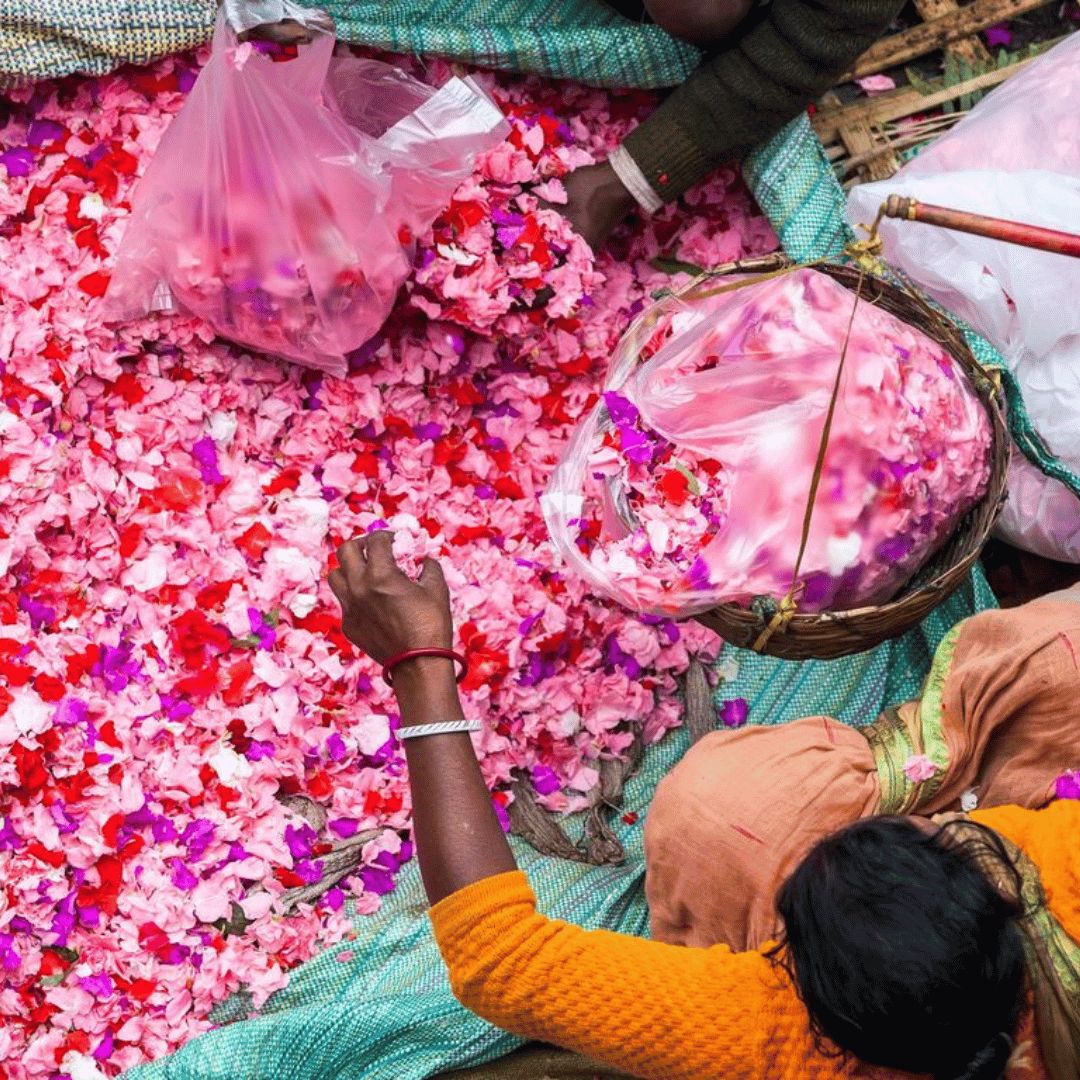
We begin at the flower market under Howrah Bridge, stepping into a maze of bright marigold garlands, roses bundled with twine and vendors calling out prices. Porters weave through the crowds with baskets balanced on their heads while early morning light filters through the iron beams overhead. Leaving the market, we walk across Howrah Bridge with office workers, students and families, giving us a close look at the river, the traffic below and the constant rhythm of people moving between the two sides of the city.
A short ferry ride on the Hooghly follows, passing small shrines along the ghats, boats unloading sacks of grain and children playing on the steps. Once across, we continue through the narrow lanes of Kumartuli where the smell of wet clay hangs in the air. Workshops sit open to the street and we watch artists sculpt faces, hands and torsos for the many festivals that West Bengal is known for. Figures in various stages of completion line the alleys, some drying in the sun, others being painted with delicate brushes.
In the afternoon, we reach the Victoria Memorial with its white domes rising above wide lawns and shady trees. Inside and out, it shows how the city has carried its colonial past into the present, surrounded now by families, students and couples strolling through the gardens. We stop for a relaxed local lunch along the way, choosing somewhere that gives us a feel for everyday Kolkata and keeps the day unhurried as we continue settling into the journey.
🥘 Breakfast
🛏️ The Elgin Fairlawn
Located in the most lively and historic part of Kolkata, The Elgin Fairlawn is an award winning heritage hotel set in a colonial era building from 1783, with major landmarks like the Indian Museum, Victoria Memorial and Park Street an easy walk away. Rooms are spacious with an en suite and thoughtful luxury touches, and the hotel’s Garden Cafe and long standing Lobby Lounge add to its character as a Sudder Street landmark. -
We spend today exploring more of Kolkata’s layers. The city is modernising quickly, yet so much of it still runs on human effort, which gives the streets a rhythm that is very different to other Indian cities. We pass hand pulled carts stacked with goods, long stretches of bookstalls lining the pavements and colonial era facades holding their own beside new apartment towers and bright billboard signs. It is a living contrast that reflects the bigger shifts happening across India.
Our morning begins with a walking tour run by Calcutta Walks. Their guides specialise in revealing details that most visitors would overlook, helping us understand how the city grew, adapted and carried its traditions forward. We explore Sovabazar, a neighbourhood that remains a centre of Bengali cultural life. The streets here are lined with buildings that show a mix of Islamic arches, Baroque ornamentation, Victorian balconies and older Bengali styles. Each lane tells a story, and by walking slowly we see how these influences sit side by side in everyday life.
Sovabazar has changed little in recent decades, making it one of the best places to observe traditional routines. We see pandals where community gatherings take place, courtyards where elders sit to read the morning paper, shrines tucked into corners, and small shops selling sweets, garlands and household essentials. The pace is unhurried and there is a sense of continuity in the way people interact, work and move through the streets.
In the afternoon we shift to quieter, reflective visits. We stop at Mother’s House, the former residence of Mother Teresa, which now serves as her memorial and the headquarters of the Missionaries of Charity. The atmosphere is calm and simple, a contrast to the busy streets outside. We finish the day at a beautiful Jain temple known for its polished marble, fine mirrors and soft light filtering through coloured glass, ending our time in Kolkata with a sense of the spiritual diversity that shapes the city.
🥘 Breakfast & Dinner
🛏️ The Elgin Fairlawn
Located in the most lively and historic part of Kolkata, The Elgin Fairlawn is an award winning heritage hotel set in a colonial era building from 1783, with major landmarks like the Indian Museum, Victoria Memorial and Park Street an easy walk away. Rooms are spacious with an en suite and thoughtful luxury touches, and the hotel’s Garden Cafe and long standing Lobby Lounge add to its character as a Sudder Street landmark. -
After breakfast, we fly north to Bagdogra and land in the narrow Siliguri Corridor, often called the ‘Chickens Neck’ of India. This twenty kilometre wide strip links the north east of the country to the rest of India, and sits between Bangladesh, Bhutan and Nepal. It feels immediately different from Kolkata, with a more rural atmosphere and views of hills rising in the distance. Here we meet Kabir before beginning our four hour drive on to Kalimpong, where we settle in for the next three nights.
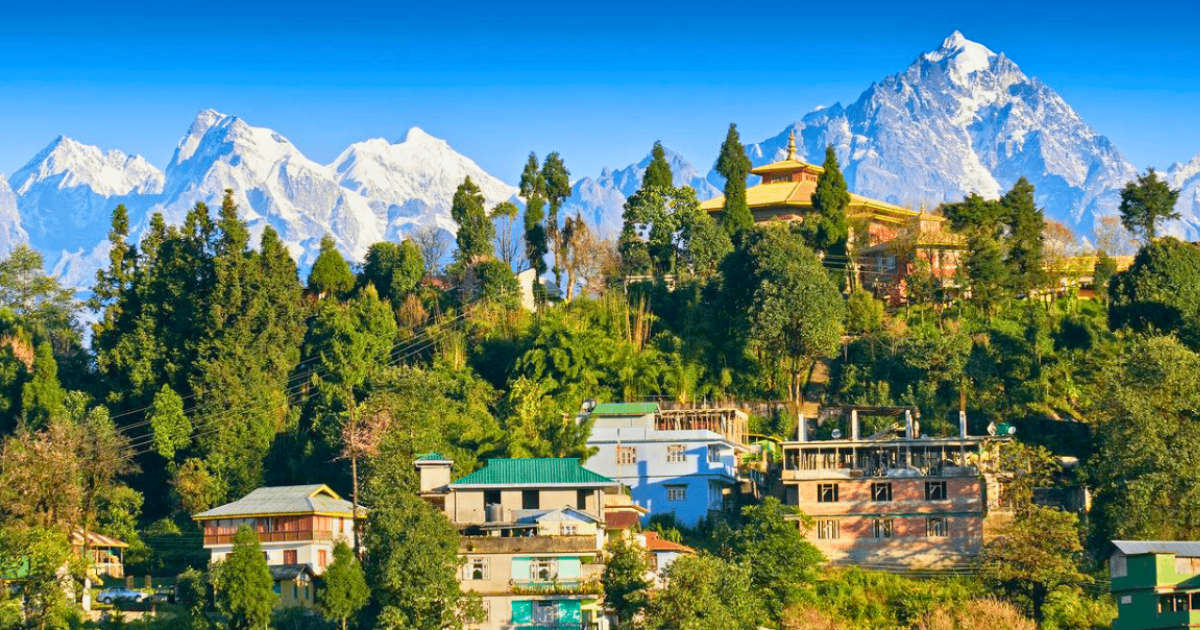
The road climbs steadily as we leave the plains behind. Terraced fields appear on the slopes, tea gardens stretch across the hillsides and glimpses of the Teesta River flash through gaps in the trees. As we reach Kalimpong, the setting comes into focus. The town sits on a long ridge at about 1,250 metres with broad views of the Himalayas on clear days. It is known for its horticulture, especially orchids and gladioli, and the mix of cool air and mountain light makes the place feel instantly restful.
Kalimpong has a layered history shaped by Sikkimese rulers, Bhutanese kings, British officials and Scottish missionaries. In the late 1800s it became an important stop on the wool trade route between Tibet and the plains. Much of that trade ended in the 1950s, and for years Kalimpong was a quiet hill town with churches, schools and traditional homes tucked along winding streets. Today, it is busier as people from the plains come for the climate and the views, yet Kalimpong still holds onto its gentle, small town feel.
On arrival, we check into our hotel. If time and energy allow, we can head out for a walk to stretch our legs and begin to get a sense of the ridge top setting. This is Kabir’s home town and he will be keen to show us the places he grew up around, giving us our first personal look at life in Kalimpong.
🥘 Breakfast & Dinner
🛏️ Mayfair Himalayan Spa ResortThe Mayfair Himalayan Spa Resort spreads across a series of heritage buildings, gardens and terraces on a ridge above Kalimpong, offering incredible views of Sikkim on clear days. Combining early twentieth century hill station character with modern comfort, it has spacious rooms and cottages, many with balconies or fireplaces, along with a spa, outdoor pool, library, fitness centre and quiet lounges that take advantage of the setting. With multiple dining options and a long guest history that includes noted travellers and early mountaineers, it provides a distinctive and comfortable base for exploring the region.
-
We leave town this morning for our first countryside walk, an easy introduction to the pace and rhythm of life in the hills. This is Kabir’s home turf, and the day is shaped around learning from the landscape and the people who live here. The trail leads through small farming settlements, patches of forest and quiet stretches of road, giving us a broad feel for rural Kalimpong beyond the main ridge.
Much of the walk passes through agricultural land where families grow vegetables, maize and seasonal crops on terraced slopes. Kabir introduces us to the techniques that make terrace farming possible in this terrain, from water channels cut into the hillsides to the way fields are rotated through the year. Along the way, we’ll meet villagers tending their plots or carrying produce, and there is time for simple conversations about daily routines, festivals and local traditions that shape life in the hills.
The scenery shifts between open fields, shaded paths and pockets of forest where the air is cooler and birdlife more noticeable. The pace is steady rather than demanding, with time to pause and take in long views across the valley. As we approach Kabir’s own village, the walk becomes more personal, and we finish at his family’s farm where lunch is prepared by his wife Ahana using local ingredients.
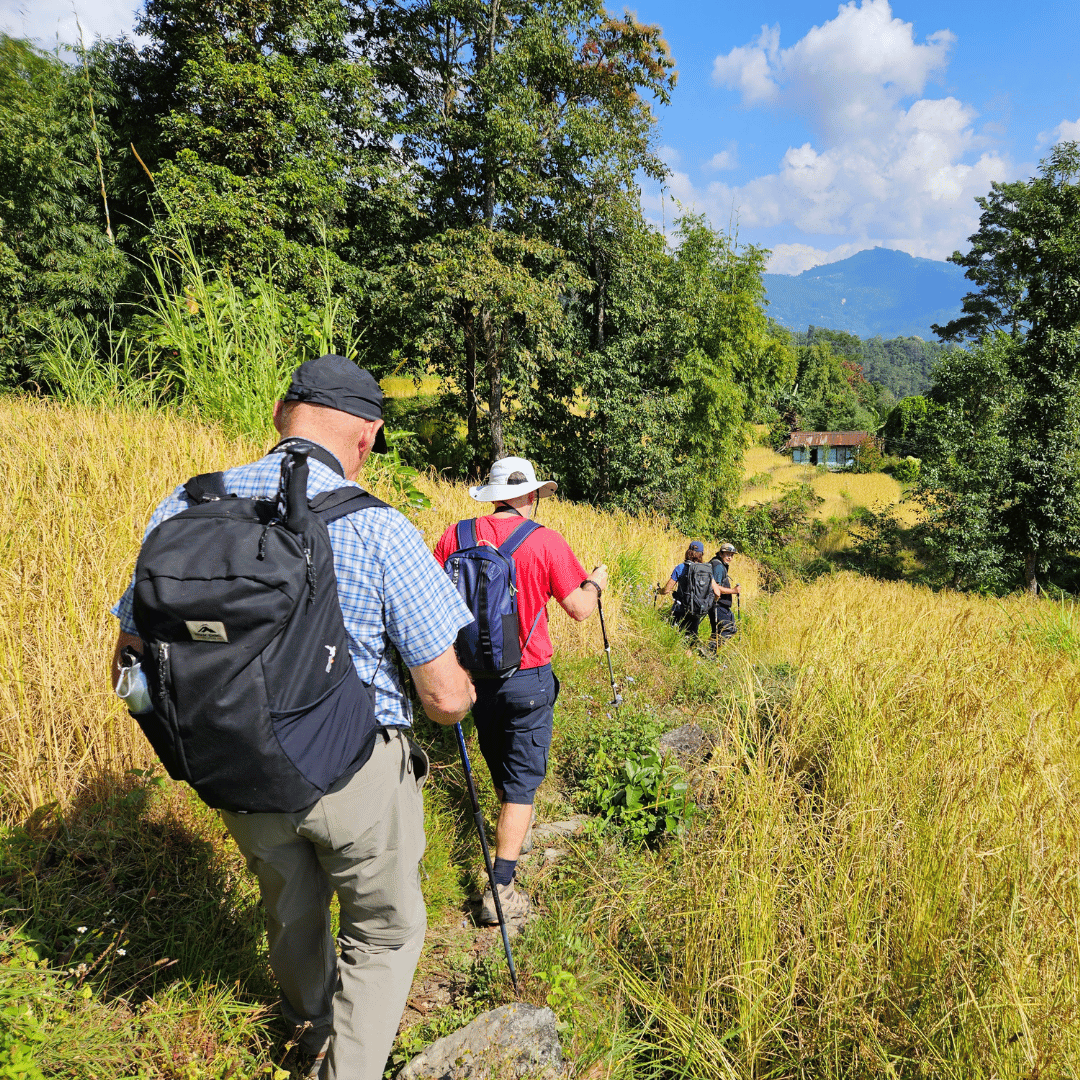
Today’s trail is a gentle introduction to hill terrain and a good warm up for the days ahead. Expect undulating ground - known locally as Nepalese flat - with a mix of village paths and short sections of tarmac road. The distance is around 9km and we will be out for most of the day, moving at a comfortable, unhurried pace.
🥘 Breakfast, Lunch & Dinner
🛏️ Mayfair Himalayan Spa Resort
🚶🏻 Approximately 9 kilometresThe Mayfair Himalayan Spa Resort spreads across a series of heritage buildings, gardens and terraces on a ridge above Kalimpong, offering incredible views of Sikkim on clear days. Combining early twentieth century hill station character with modern comfort, it has spacious rooms and cottages, many with balconies or fireplaces, along with a spa, outdoor pool, library, fitness centre and quiet lounges that take advantage of the setting. With multiple dining options and a long guest history that includes noted travellers and early mountaineers, it provides a distinctive and comfortable base for exploring the region.
-
This morning we begin at the local haat, Kalimpong’s regular market and one of the most colourful windows into daily life. Stalls spill onto the lanes with seeds, seasonal fruit and vegetables, homemade pickles, fresh flowers, spices, livestock and simple household goods. The mix of colours, smells and conversations creates a lively setting and gives us a deeper sense of how the town functions beyond its main streets.
From the haat, we continue uphill on foot, passing through villages where homes sit among kitchen gardens, small fields and clusters of prayer flags. The climb is steady but not difficult, and brings us to Dr Graham’s Homes, a 116 year old missionary school set on broad grounds. On a clear day this trail offers sweeping views of the Himalayan peaks, making it one of the most rewarding stretches of our time in Kalimpong.
The path then descends towards the main road where we visit a private home for a simple introduction to Nepali cooking. Nepali families form one of the region’s dominant communities and this casual demonstration offers a relaxed way to learn about ingredients and flavours that define day to day meals. Those who prefer not to cook can sit back with a glass of plum wine and enjoy the atmosphere while the meal comes together. Lunch follows, made with fresh local produce.
Afterwards, we stop at a remarkable nursery that grows hundreds of plant species, from orchids and succulents to rare Himalayan varieties. The late afternoon is left flexible. Some may choose to explore town while others might prefer to return to the Mayfair Himalayan Spa Resort for a rest before dinner. Today’s walk covers roughly 8 to 10km, beginning with the bustle of the haat, climbing on a made road to Dr Graham’s Homes and descending on a small village path to our lunch stop.
🥘 Breakfast, Lunch & Dinner
🛏️ Mayfair Himalayan Spa Resort
🚶🏻 Approximately 8-10 kilometresThe Mayfair Himalayan Spa Resort spreads across a series of heritage buildings, gardens and terraces on a ridge above Kalimpong, offering incredible views of Sikkim on clear days. Combining early twentieth century hill station character with modern comfort, it has spacious rooms and cottages, many with balconies or fireplaces, along with a spa, outdoor pool, library, fitness centre and quiet lounges that take advantage of the setting. With multiple dining options and a long guest history that includes noted travellers and early mountaineers, it provides a distinctive and comfortable base for exploring the region.
-
We leave Kalimpong this morning and follow the road downhill to the Teesta River, driving for around an hour before crossing into Sikkim. At the state border we stop to obtain an Inner Line Permit, required for all foreign visitors. Sikkim was an independent kingdom until 1975 and still maintains several administrative systems that hint at its former autonomy, something we will notice more as we travel through the state.
Once the paperwork is complete we continue our journey west, with the full drive to Rinchenpong taking roughly three hours in total. The road winds through small settlements, terraced fields and dense stretches of forest, with occasional clearings that reveal wide mountain views. We stop for lunch en route and then continue into quieter country as we approach West Sikkim, where the atmosphere feels slower and more rural than the hills around Kalimpong.
By early afternoon we reach Rinchenpong and check in. The rest of the day is yours, so feel free to take a short stroll around the village or simply unwind after the drive. This part of Sikkim has an unhurried rhythm, and on clear days the Khangchendzonga mountain range appears across the valley, giving an immediate sense of the scale of the region we are entering.
🥘 Breakfast & Dinner
🛏️ Yangsum Heritage FarmYangsum Heritage Farm is a rustic and warmly run mountain lodge centred around a farmhouse built in 1833 and remodelled in the 1960s. The 44 acre property, owned and managed by Thendup Tashi and his wife Pema, sits among pine, Himalayan alder, schima, chestnut, magnolia, rhododendron and cherry trees, with views towards the Khangchendzonga group of peaks when the weather is clear. Rooms are simple and characterful, reflecting traditional Sikkimese design rather than modern hotel finishes. The setting is peaceful, tucked away from crowds and traffic, offering a personal style of hospitality and an authentic window into rural Sikkimese life.
-
After breakfast we set out on foot towards Rinchenpong Monastery, following a trail through forest patches, terraced fields and small farming hamlets. The morning is quiet and shaded, with occasional openings that look across the valley. As we climb, houses thin out and the monastery appears above the trees, a modest structure set on a ridge with prayer flags marking the approach.
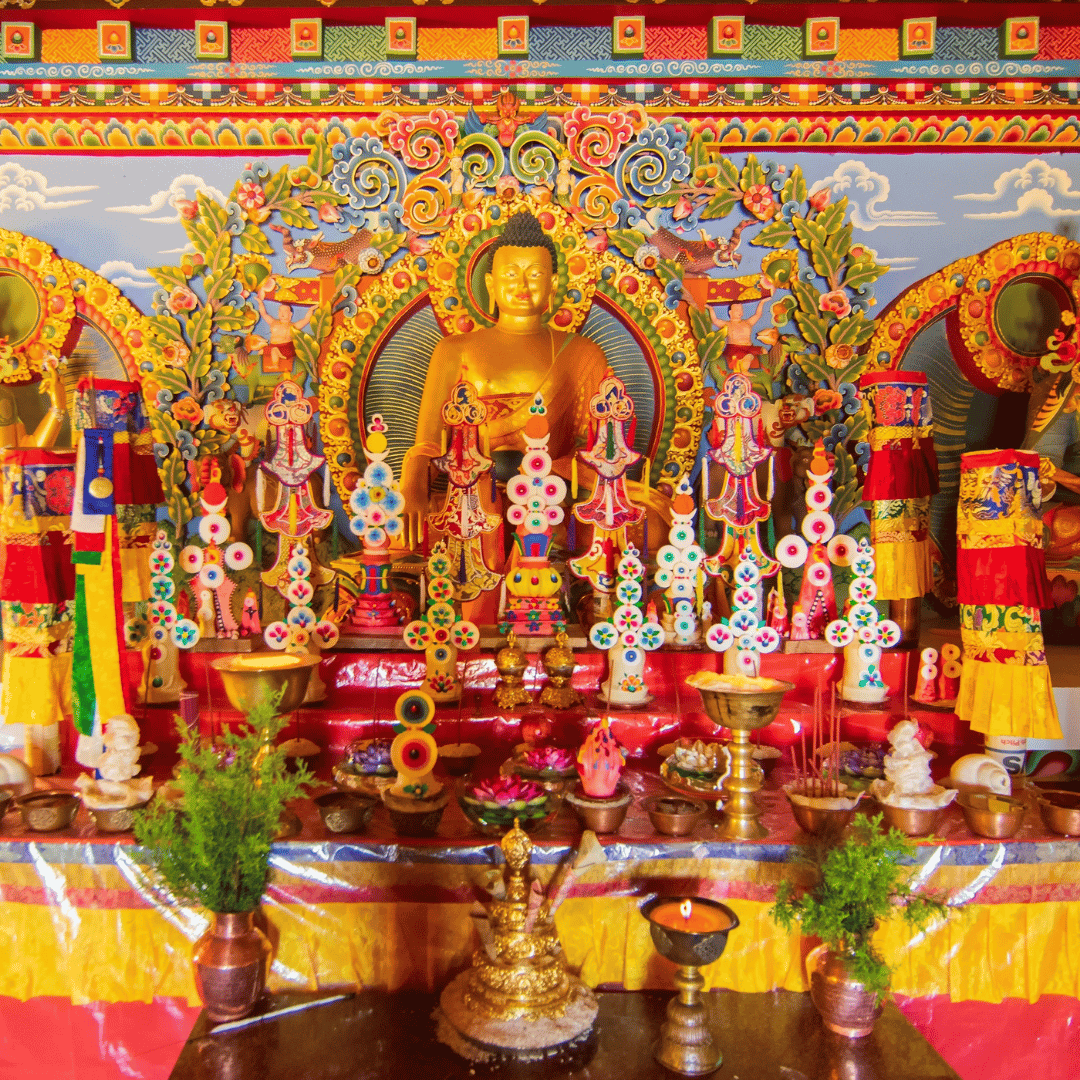
Rinchenpong Monastery was founded in the early 18th century and is considered one of the oldest monasteries in Sikkim. It belongs to the Nyingma school of Tibetan Buddhism and is known for a rare statue of the Adi Buddha in the Yab Yum posture, a symbolic representation of wisdom and compassion in unity. The monastery has a working monastic school and around 100 young monks live and study here. The buildings are simple, with carved wooden window frames, muted colours and rows of prayer wheels that are often turning in the breeze.
From the monastery, we continue climbing for about 30 minutes to reach a small hilltop, where an old gompa stands among trees. The views open up here, with a sense of height and remoteness that contrasts with the more lived in parts of the trail. After a short break, we continue to a nearby settlement where we stop at a Lepcha heritage house for a simple picnic lunch in the yard. The Lepcha are considered the indigenous people of Sikkim and the setting offers a quiet, grounded look at their traditional lifestyle.
In the afternoon, we begin our return walk, tracing forest paths and narrow village lanes back to Yangsum Heritage Farm. The descent is gentle and the late afternoon light gives the forest a warm, calm feel. It is an unhurried end to a day that blends walking, culture and the spiritual history of West Sikkim.
Today’s route is mostly through forest with a few hamlets and sections of farmland. The elevation gain and loss is greater than the walks around Kalimpong. We will be out for most of the day at a steady, comfortable pace.
🥘 Breakfast & Dinner
🛏️ Yangsum Heritage Farm
🚶🏻 Approximately 7-9 kilometresYangsum Heritage Farm is a rustic and warmly run mountain lodge centred around a farmhouse built in 1833 and remodelled in the 1960s. The 44 acre property, owned and managed by Thendup Tashi and his wife Pema, sits among pine, Himalayan alder, schima, chestnut, magnolia, rhododendron and cherry trees, with views towards the Khangchendzonga group of peaks when the weather is clear. Rooms are simple and characterful, reflecting traditional Sikkimese design rather than modern hotel finishes. The setting is peaceful, tucked away from crowds and traffic, offering a personal style of hospitality and an authentic window into rural Sikkimese life.
-
This morning, we drive west for about two hours to Uttarey, a quiet settlement that was once an important trading point between India and Nepal. Until the 1970s, it functioned as a busy barter hub where ayurvedic herbs, animal skins, dairy products, local spirits and livestock were exchanged for salt, flour and rice.
The area also carries a strong spiritual association, as local tradition holds that Guru Padmasambhava entered Sikkim through this route. The drive itself takes us through forested hillsides, cardamom fields and small mountain villages before we reach the far western edge of the state.
From Uttarey, we begin exploring the surrounding area on foot. The paths rise and fall gently, passing through farms where families tend small fields and keep cattle, goats and poultry. The forest is thick in parts, with tall trees and stretches of cool shade before the trail opens into clusters of houses. Being a border region, the Nepalese influence is clear in the way homes are built, the style of clothing and even the rhythm of the local dialect. It gives the walk a distinct cultural mix that feels different from the previous days.
We stop for lunch in a village home, which gives us a relaxed and genuine look at daily life in the hills. Afterwards we continue walking through a combination of open country and wooded patches, following the natural contours of the landscape, before returning to Rinchenpong for the evening.
Today’s terrain is another good example of Nepalese flat, with steady rises and falls rather than long climbs. The route follows village walking paths and quiet country roads, and may vary depending on the group’s interests. Expect an easy to moderate day on foot with plenty of interest along the way.
🥘 Breakfast, Lunch & Dinner
🛏️ Yangsum Heritage Farm
🚶🏻 Approximately 8-10 kilometresYangsum Heritage Farm is a rustic and warmly run mountain lodge centred around a farmhouse built in 1833 and remodelled in the 1960s. The 44 acre property, owned and managed by Thendup Tashi and his wife Pema, sits among pine, Himalayan alder, schima, chestnut, magnolia, rhododendron and cherry trees, with views towards the Khangchendzonga group of peaks when the weather is clear. Rooms are simple and characterful, reflecting traditional Sikkimese design rather than modern hotel finishes. The setting is peaceful, tucked away from crowds and traffic, offering a personal style of hospitality and an authentic window into rural Sikkimese life.
-
After a leisurely breakfast we set off for Turuk, a scenic drive of roughly three and a half hours that takes us into the quieter landscapes of South Sikkim. The road first drops through forested slopes and small hamlets before crossing the river valleys that separate West and South Sikkim. As we travel, the scenery shifts between stepped fields, cardamom plantations, bamboo groves and long stretches of mixed forest where the canopy arches overhead. Traffic is minimal and the journey has a peaceful feel, with views opening at bends to show distant ridgelines and glimpses of rural life tucked into the hills.
En route, weather and track conditions permitting, we take a short walk to a small but meaningful Buddhist shrine beside the River Rungeet. The path down is gentle and the shrine sits close to the water, surrounded by trees and prayer flags. It is a lovely contrast to the busier monasteries of central Sikkim, offering a sense of the quieter forms of worship that shape daily life in these hills. After the stop we continue our drive, passing through villages where families grow oranges, ginger and seasonal crops, and where traditional Sikkimese wooden homes stand beside newer structures.
We reach Turuk by early afternoon and settle in with lunch on arrival. The remainder of the day is kept flexible. The hill roads leading from the property make for pleasant walking, with little traffic and broad views across valleys planted with cardamom and fruit trees. The air is softer here than in the higher reaches of West Sikkim, and the slower village rhythm becomes noticeable as the afternoon unfolds. This is also a personal part of the journey for Kabir, as he has family connections in Turuk and knows the area well.
🥘 Breakfast, Lunch & Dinner
🛏️ Turuk KothiTuruk Kothi is a historic mountain estate built in 1848 and still lived in by the fifth generation of the Pradhan family. The house has deep roots in Sikkimese history. It was the residence of Laxmi Das Pradhan, the first minter of Sikkim, and later served as the District Headquarters during the years when Sikkim was administered as an independent kingdom. The estate sits across landscaped gardens, terraces and old trees, with views that open towards the lower Himalayan ranges. Interiors feature original timber work, stone floors, family heirlooms and traditional architecture that give the house a warm, lived in character. Rooms are simple but full of personality, and staying here offers a genuine experience of Sikkimese hospitality in a family home that has been occupied for more than 160 years.
-
After breakfast, we set out on foot to explore the hills around Turuk. The walk begins with a steady uphill climb on quiet tarmac roads and village paths, passing homes with vegetable gardens, cardamom patches and small clusters of prayer flags. As we gain height, the air feels crisper and the views open across rolling foothills, giving a sense of how the land folds and rises through this part of South Sikkim.
Our goal this morning is Tarey Bhir. In the local Nepali dialect the word bhir means cliff, and here it refers to a dramatic 3,500 foot drop that falls sharply away from a long ridge. On reaching Tarey Bhir we follow the well made footpath that runs along the top of the ridge, protected by a sturdy handrail. The views are remarkable, with deep valleys on either side and a sense of height that builds gradually as we walk. If conditions are clear we continue further along the ridge to a viewpoint where we can see the confluence of the Teesta and Rangeet rivers far below, as well as the layered blue hills of the Eastern Himalayas stretching into the distance.
After our time on the ridge, we make our way back to Turuk Kothi for a late lunch. The afternoon is left at leisure, a good chance to sit with a book, enjoy the gardens or settle near the fire later in the day with a glass of wine. The slower pace is welcome after the morning’s climb and gives us time to absorb the setting before our final day of travel.
Today’s distance is shorter than previous days, but the gradient is steeper. The first section climbs gradually on quiet roads and farming paths before reaching Tarey Bhir. The ridge walk is on a well constructed footpath with a handrail and offers some of the best views of the trip. Expect a steady but rewarding morning on foot.
🥘 Breakfast, Lunch & Dinner
🛏️ Turuk Kothi
🚶🏻 Approximately 7 kilometresTuruk Kothi is a historic mountain estate built in 1848 and still lived in by the fifth generation of the Pradhan family. The house has deep roots in Sikkimese history. It was the residence of Laxmi Das Pradhan, the first minter of Sikkim, and later served as the District Headquarters during the years when Sikkim was administered as an independent kingdom. The estate sits across landscaped gardens, terraces and old trees, with views that open towards the lower Himalayan ranges. Interiors feature original timber work, stone floors, family heirlooms and traditional architecture that give the house a warm, lived in character. Rooms are simple but full of personality, and staying here offers a genuine experience of Sikkimese hospitality in a family home that has been occupied for more than 160 years.
-
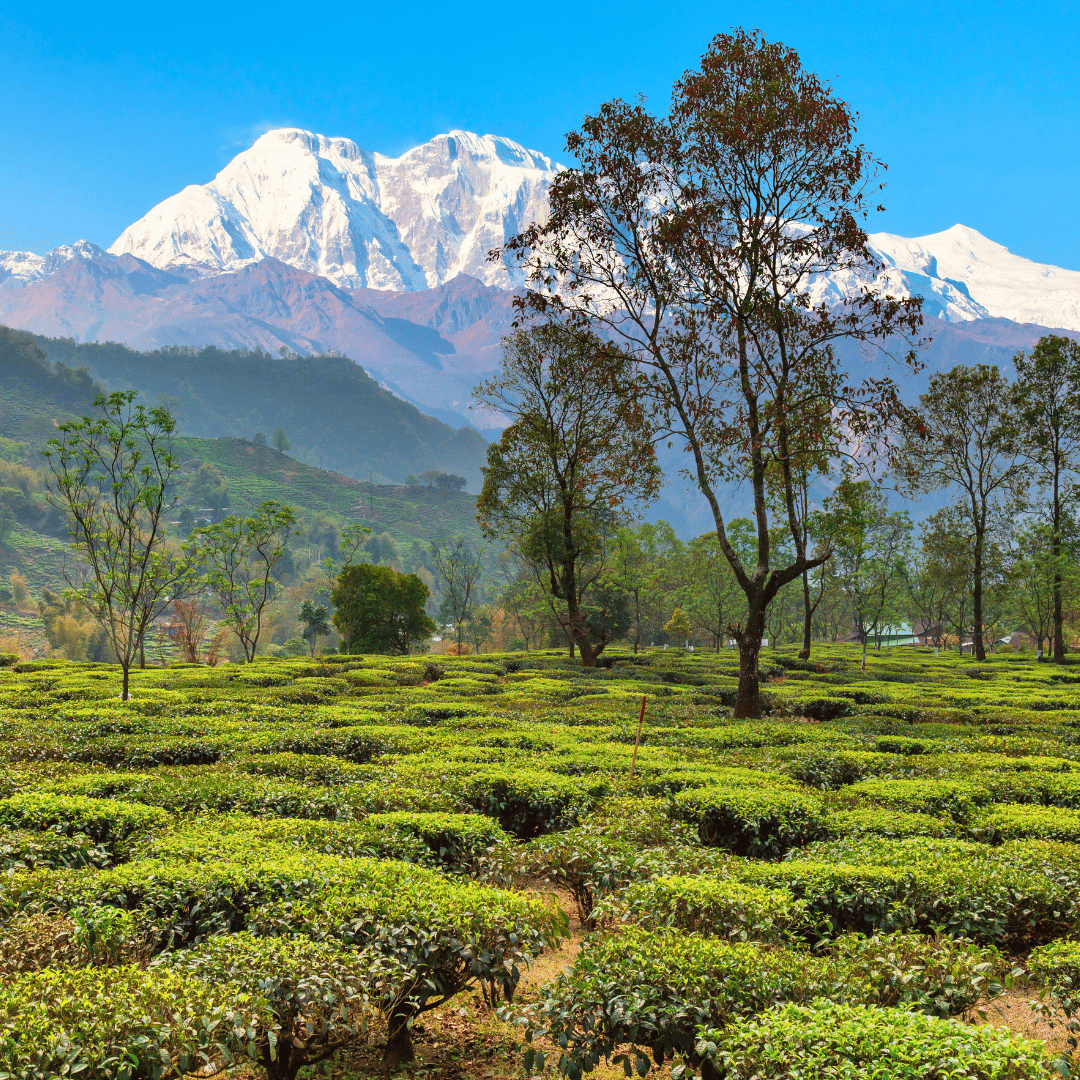
We leave Turuk this morning and begin our journey south, descending through the quiet hills of Sikkim before crossing the Teesta River and re entering West Bengal. From the river the road climbs steeply through a succession of tea plantations, with long rows of neatly pruned bushes curving across the slopes. The drive takes around four hours in total, though the final stretch depends on traffic as we approach Darjeeling. The change in atmosphere becomes clear as we climb, with cooler air, views shifting more quickly and a livelier pace on the roads.
By late morning or early afternoon we reach Darjeeling, long regarded as one of India’s classic hill stations. Established by the British in the mid 1800s as a rest and recreation centre, it still carries the imprint of that era in its churches, schools and colonial buildings. The town sits at about 2,100 metres and is surrounded by tea estates on all sides, many of which date back to the nineteenth century. On clear days outside the monsoon, views from the ridge stretch to the high snows of Khangchendzonga, making this one of the most celebrated outlooks in the region.
The afternoon is left flexible for you to explore at your own pace. After our days in quiet countryside settings, Darjeeling feels lively and busy, with a kind of small city charm. The main bazaar is an energetic place to wander, with shops selling daily essentials, woollens, Tibetan rugs, local snacks and a wide range of small curios. There are plenty of cafes, bakeries and tea shops tucked into side lanes if you prefer a slower introduction to town.
🥘 Breakfast & Dinner
🛏️ Windamere HotelWindamere sits on Observatory Hill, one of Darjeeling’s most recognisable landmarks. Originally a nineteenth century boarding house for British and Scottish tea planters, it was converted into a hotel in the years just before the Second World War. The property is known for its old world character, with vintage style rooms named after notable guests and furnished in a way that reflects Darjeeling’s hill station heritage. Set close to the heart of town, its location is one of the best in Darjeeling and makes it easy to step straight into markets, cafes and the lively streets around Chowrasta.
-
For early risers, there is the chance to catch sunrise from Mall Road just behind the hotel, where the first light often strikes the main Himalayan range in soft pink and gold.
After breakfast, we head into the heart of Darjeeling, exploring the main bazaar and the maze of narrow laneways and stairways that crisscross the town. This is a good way to see everyday life in a regional centre that blends hill station history with the energy of a working mountain town. As we walk we take in local shops, small temples, roadside food stalls, colonial era buildings and neighbourhoods that give Darjeeling its distinctive character.
Towards late morning we stop for a light lunch before making our way on foot to Darjeeling Station. Here we visit the Darjeeling Himalayan Railway, a remarkable feat of nineteenth century engineering and now a UNESCO World Heritage site. The station, locomotives and steep loops of track show how this narrow gauge line was carved into the hillside. We take a short 30 minute joy ride up to Ghum, the highest railway station in India, passing tea gardens, viewpoints and tight bends that reveal the ingenuity behind the railway’s design.
At Ghum, our vehicle meets us for the onward drive to Glenburn Tea Estate, which takes about ninety minutes. The road descends through villages and tea fields before climbing again onto the estate’s ridge. By mid to late afternoon we arrive at Glenburn, where the slower rhythm of plantation life and sweeping views make a gentle contrast to the bustle of Darjeeling.
🥘 Breakfast & Dinner
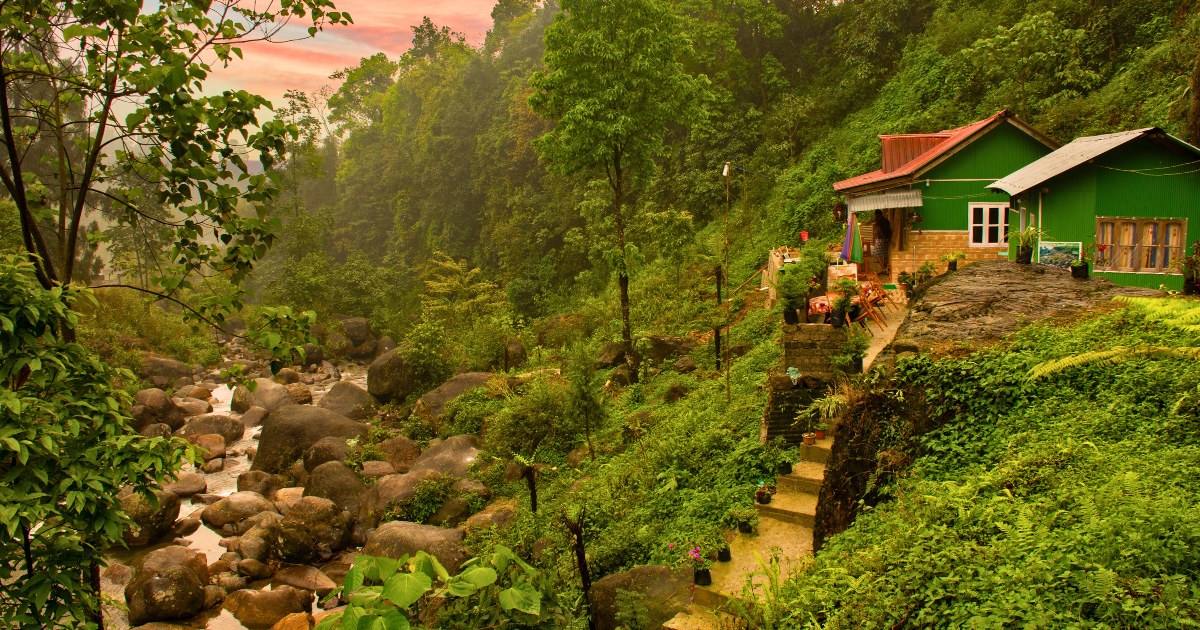
🛏️ Glenburn Tea EstateGlenburn Tea Estate was established in 1859 by a Scottish tea company and later taken over by the Prakash family, one of India’s pioneering tea planting families. The estate is now run by the third and fourth generation, who bring nearly a century of tea growing knowledge to the property. Set across more than 400 hectares of private forest with two rivers flowing through the estate, Glenburn has a peaceful, expansive feel. It is an inviting place to unwind, walk between tea fields and enjoy the calm rhythm of plantation life.
-
After breakfast, we set out on foot towards the Glenburn Campsite, following a long descending trail that winds through the estate. A local Glenburn guide or naturalist leads the way, beginning with broad paths through tea plantations where workers may be picking leaves in the morning light. The rows of tea bushes follow the curves of the hillside and give clear views across the valley towards Sikkim and Kalimpong, a reminder of how far we have travelled over the past days.
As we continue, the landscape shifts. We walk through small villages where homes are set among fruit trees, bamboo groves and kitchen gardens, and we cross streams that fall steeply from the upper slopes. Waterfalls appear along the way and the sound of running water becomes more frequent as we approach the lower forest. The Simbong forest itself feels dense and alive, with a rich mix of birds, butterflies, ferns and broad leafed plants typical of this mid altitude Himalayan habitat. The trail here is shaded and cool, opening occasionally to reveal glimpses of the river far below.
By late morning, we reach the banks of the Rungeet where the Glenburn Campsite sits in a quiet clearing beside the water. We enjoy a picnic lunch by the river, with time to rest, explore the rocks and pools or simply listen to the flow of the river moving through the valley.
After lunch, there is an option to continue walking along the riverbank or return uphill by vehicle to the main bungalow for a slower final afternoon in the hills - the choice is entirely yours. It is a relaxed ending to our time at Glenburn, with the rest of the day free to enjoy the house, the gardens and the lingering views over the estate.
🥘 Breakfast, Lunch & Dinner
🛏️ Glenburn Tea Estate
🚶🏻 Approximately 6-10 kilometresGlenburn Tea Estate was established in 1859 by a Scottish tea company and later taken over by the Prakash family, one of India’s pioneering tea planting families. The estate is now run by the third and fourth generation, who bring nearly a century of tea growing knowledge to the property. Set across more than 400 hectares of private forest with two rivers flowing through the estate, Glenburn has a peaceful, expansive feel. It is an inviting place to unwind, walk between tea fields and enjoy the calm rhythm of plantation life.
-
This morning we farewell the hills and say goodbye to Kabir before beginning our drive back to Bagdogra. The journey takes around 3.5 hours, following familiar stretches of road as we descend from the tea estates and ridge tops to the plains below. Once at Bagdogra, we check in for our flight to Kolkata.
On arrival in Kolkata, you connect with onward international or domestic flights, or transfer to your accommodation if you are extending your stay in the city. If you would like to spend more time in Kolkata or continue travelling in India, we can arrange tailor made private travel through India Unbound with itineraries shaped around your interests and preferences.
🥘 Breakfast
Special Interest Tours With Remarkable East
Remarkable East creates small group journeys designed for travellers who want depth, character and insight rather than crowded sightseeing. Each itinerary is shaped around culture, history, food and meaningful encounters, with a maximum of 12 guests and guides who know the region intimately. The pace is steady, the hotels are selected for comfort and location, and the experiences are planned to feel personal, not packaged.
Our tours run on set dates through the year across Japan, Vietnam, India and Sri Lanka, with additional one-off special interest departures offered for travellers seeking something more focused. Many guests return for a second or third journey with us as they value the balance of structure and flexibility, the quality of leadership and the ease of travelling in a small group. If you are considering a future trip and want to talk through your options, you’re welcome to book a call. We can walk you through destinations, dates and availability.
-
14 nights accommodation
14 breakfasts, 3 lunches and 14 dinners
Internal domestic flights from Kolkata to Bagdogra and Badogra to Kolkata, including 15kg of checked luggage and 7kg of carry on luggage ($60 per 5kg for additional checked luggage)
Private transfers and transport
2 x English speaking guides plus local escorts for day walks
All entrance fees to monuments outlined in the itinerary
Nepali cooking lesson and lunch in Kalimpong
Toy train ride on the Darjeeling Himalayan Railway
Snacks and bottled water in the transport vehicles
E-Visa Indian travel visa for tourists*
Arrival and departure airport transfers
All land and vehicle taxes
Tips and gratuities
*We cover the cost and assist with eVisas for our guests. For your information, Australian passport holders can enter India with an eVisa for tourism, business or medical visits. Tourist eVisas are commonly issued for stays of up to 30 days or 90 days depending on the category selected. Your passport must be valid for at least six months from your date of arrival, and you may be asked to show proof of onward or return travel, sufficient funds and accommodation details.
India’s eVisa system is fully online. You complete the application and upload a passport photo and a copy of your passport bio page before travel. Once approved, you receive an electronic authorisation that must be presented on arrival, along with your passport. Biometrics are taken at immigration and the process is generally straightforward.
A regular visa, obtained in advance from an Indian mission or visa centre, is required only if you plan to stay longer than the permitted eVisa period or your purpose of travel is work, study, volunteering or another long term activity. Processing for these visas must be completed before departure.
Entry requirements can change, so it is important to check the latest information through the Indian Visa Online portal or Smart Traveller. Any fees or delays arising from incorrect details or expired passports are the responsibility of the traveller.
-
International airfares
Meals not specified in the itinerary (some lunches)
Alcoholic and/or non-alcoholic drinks
Optional activities and excursions
Camera fees (rarely applicable)
Travel insurance (strongly recommended)
Any costs not explicitly stated in the inclusions
Meet Your Guides
-
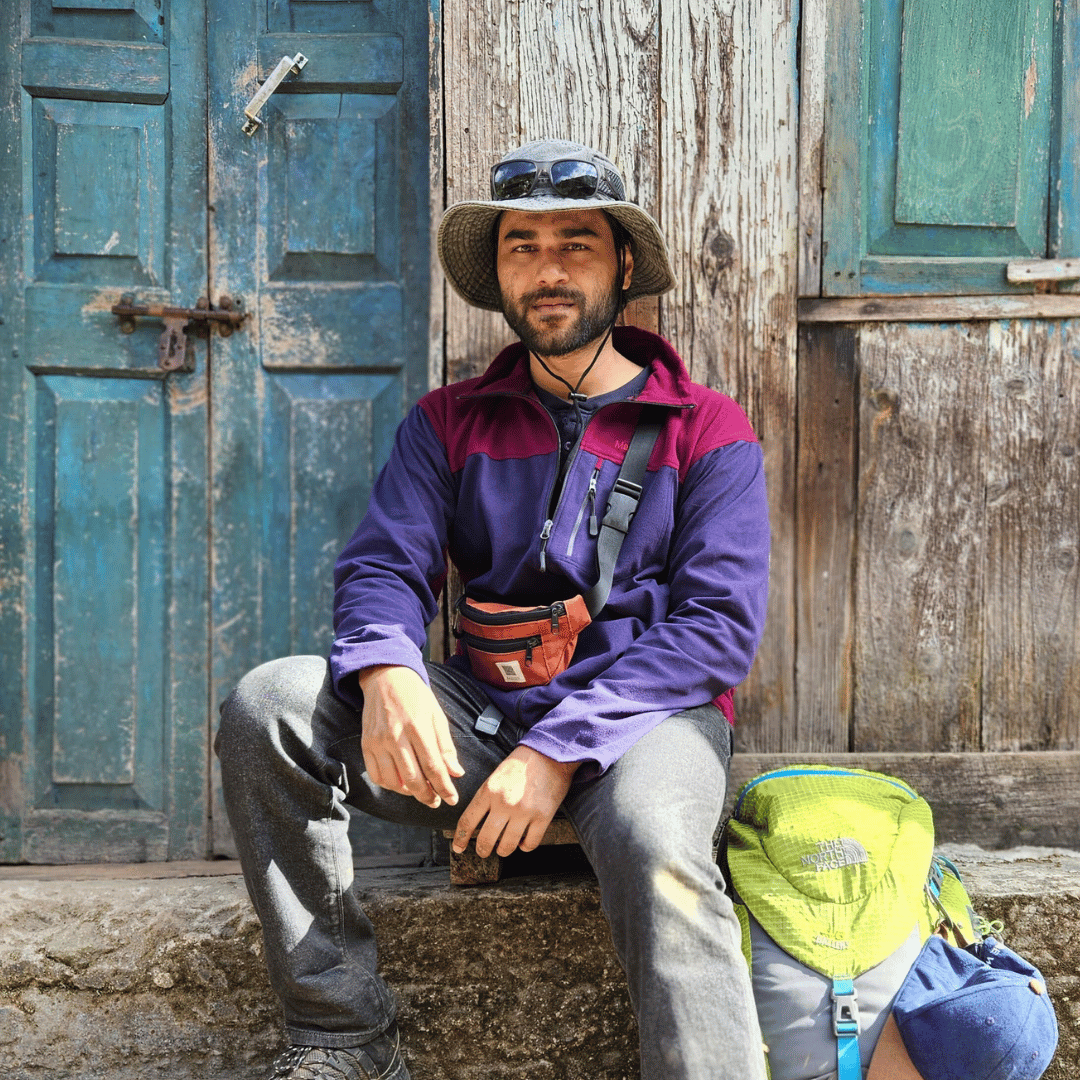
Saurabh
Saurabh has close to a decade of experience helping travellers explore India beyond the usual sights. In his operations role at India Unbound, he focuses on creating genuine human connections and regularly guides tours all over India. Away from work, he enjoys home cooking, playing guitar, AFL and the great outdoors.
-
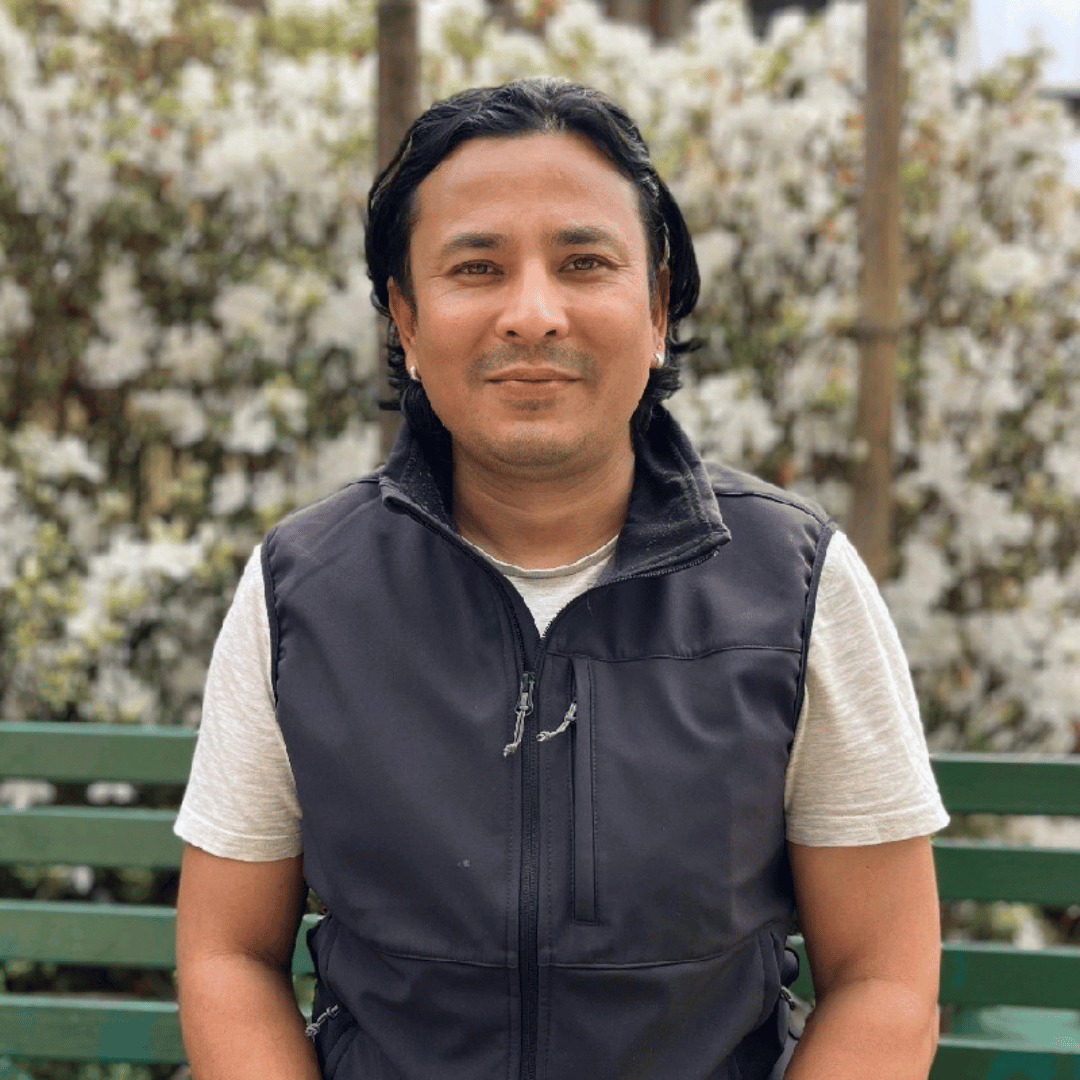
Kabhir
With more than 15 years in tourism, Kabir combines deep regional knowledge with formal training from the Himalayan Mountaineering Institute. Born and raised in Kalimpong, he is skilled in leading walks, interpreting culture and ecology, and guiding guests through the landscapes and communities of the eastern Himalaya.
India Walking Tour Key Information
-
At Remarkable East, we believe small group touring should be just that: small.
As such, the group size will be capped at a maximum of 12 people, ensuring a more intimate and personalized experience.
This way, we’re able to get around with ease, utilise local transport and visit more off-the-beaten-track destinations. Our India walking tour is a great opportunity to connect with like-minded travellers, and you may even leave with lifelong friendships. -
To join us on this tour, the price is $9,310 AUD per person, twin share. With a maximum of 12 guests, standard inclusions are:
14 nights accommodation
All breakfasts and dinners, some lunches as outlined in the itinerary
Internal domestic flights from Kolkata to Bagdogra and Badogra to Kolkata, including 15kg of checked luggage and 7kg of carry on luggage ($60 per 5kg for additional checked luggage)
Private transfers and transport
2 x English speaking guides plus local escorts for day walks
All entrance fees to monuments outlined in the itinerary
Nepali cooking lesson and lunch in Kalimpong
Toy train ride on the Darjeeling Himalayan Railway
Snacks and bottled water in the transport vehicles
E-Visa Indian travel visa for tourists*
Arrival and departure airport transfers
All land and vehicle taxes
Tips and gratuities
*We cover the cost and assist with eVisas for our guests. For your information, Australian passport holders can enter India with an eVisa for tourism, business or medical visits. Tourist eVisas are commonly issued for stays of up to 30 days or 90 days depending on the category selected. Your passport must be valid for at least six months from your date of arrival, and you may be asked to show proof of onward or return travel, sufficient funds and accommodation details.
India’s eVisa system is fully online. You complete the application and upload a passport photo and a copy of your passport bio page before travel. Once approved, you receive an electronic authorisation that must be presented on arrival, along with your passport. Biometrics are taken at immigration and the process is generally straightforward.
A regular visa, obtained in advance from an Indian mission or visa centre, is required only if you plan to stay longer than the permitted eVisa period or your purpose of travel is work, study, volunteering or another long term activity. Processing for these visas must be completed before departure.
Entry requirements can change, so it is important to check the latest information through the Indian Visa Online portal or Smart Traveller. Any fees or delays arising from incorrect details or expired passports are the responsibility of the traveller.
-
The following expenses are not included in the tour package and must be covered individually:
International airfares
Meals not specified in the itinerary (some lunches)
Alcoholic and/or non-alcoholic drinks
Optional activities and excursions
Camera fees (rarely applicable)
Travel insurance (strongly recommended)
Any costs not explicitly stated in the inclusions
-
Absolutely! Solo travellers are very welcome on this tour. A single supplement of $2,770 AUD applies if you prefer your own room.
-
If you would like to join us on the Hills of Sikkim walking tour, the most important thing to bring is a pair of comfortable, well broken in walking shoes or lightweight hiking boots with good grip. Avoid starting the trip with brand new footwear. A few pairs of breathable walking socks that you already know work well will make a big difference on longer days.
Clothing should suit the changeable conditions in the hills. Light, breathable layers are ideal for warm days, while a warm mid layer such as a fleece or light puffer is useful for cool mornings and evenings. Quick dry trousers or shorts work well for walking, and a light waterproof jacket is important in case of rain. A compact umbrella can also be surprisingly useful in Sikkim’s mixed weather.
A small, comfortable daypack is essential for carrying water, sunscreen, snacks, a camera and any personal items. Sun protection is important too, so bring a hat or cap, sunglasses and sunscreen. A reusable water bottle is handy and some travellers prefer one with a built in filter, though this is optional.
Walking poles can be helpful for balance on uneven or downhill terrain, though they are not essential. It’s also worth packing a few comfort items like blister plasters (band-aids), basic first aid supplies, hand sanitiser, tissues and any medication you need. Finally, bring comfortable clothes for evenings at the lodges and farm stays, where the temperatures can drop and the pace slows after a day on the trail.
-
The walking routes on the Hills of Sikkim tour are varied and genuinely rewarding. Over the course of the trip we follow village paths, forest trails, tea estate tracks and long ridgelines, with distances typically between 8 and 10 kilometres a day. The terrain is almost never flat in the Australian sense. Much of it is what locals call Nepalese flat - rolling, undulating ground that rises and falls steadily rather than offering long, level stretches. Early walks around Kalimpong are gentle introductions to this landscape, combining village lanes, farmland and short sections of tarmac. As we move west, the terrain becomes steeper and the climbs more sustained, especially on the approach to Rinchenpong Monastery and on the ridge above Tarey Bhir, where the elevation gain is more noticeable.
You don’t need to be an elite hiker to join this tour, but you do need a reasonable level of fitness and confidence on hills. This is not a suitable first big walk for someone with no previous experience of day walks. You should be comfortable being on your feet for several hours at a steady pace, carrying a daypack, and managing repeated uphill and downhill sections on uneven ground. The distances may look modest, but the cumulative elevation and terrain make the days feel fuller than the numbers suggest.
If you walk regularly at home - whether that’s bush tracks, coastal walks or hilly suburban routes - and you enjoy being outdoors for a good part of the day, you’ll be well prepared. The pace on tour is relaxed, with plenty of breaks, time to enjoy scenery and support from your guides. Routes can sometimes be adjusted when conditions allow, but in general a good base level of walking fitness will make the experience far more enjoyable.
-
There are no special luggage restrictions on the Hills of Sikkim tour, and you won’t be carrying your bags on any of the walks. Your main luggage stays at each hotel or lodge for the duration of that stop, and we use vehicles throughout the trip, so you only need to walk with a small daypack.
The only limitation to keep in mind is the checked luggage allowance on the domestic flights between Kolkata and Bagdogra. Indian airlines include 15 kg of checked luggage and 7 kg of carry-on as standard. If you think you may need more, we can pre-purchase additional allowance at $60 per 5 kg per flight, which is usually simpler and cheaper than paying excess baggage at the airport.
Aside from this flight requirement, you’re free to travel with a normal suitcase or duffel. Travelling light is always more comfortable, but there is no need to minimise too strictly given the vehicle support and longer stays in each location.
-
Tipping is a normal part of travel in India, but you won’t need to manage it yourself on this tour. All tips for guides, drivers and local support staff are already included, so there is no expectation for you to contribute anything further during the trip.
In places where you might choose to make small personal gestures - for example, buying tea at a stall or leaving something at a café - tipping is entirely optional and usually modest. Otherwise, everything related to the tour is taken care of, allowing you to simply enjoy the journey without worrying about local tipping customs.
-
Absolutely. India Unbound specialises in private, tailor made travel across India, and we can help with pre and post accommodation, airport transfers and any additional touring you’d like to build around the Hills of Sikkim itinerary. Our team designs personalised journeys based on your interests, whether that’s cultural touring, food experiences, historic neighbourhoods, riverfront walks or time in India’s major cities.
Many travellers like to finish a walking tour with something slower and more restful, and a Ganges or Brahmaputra river cruise is the perfect contrast. These cruises give you a chance to unwind in comfort while still seeing a remarkable part of India, with daily excursions to riverside villages, historic sites and markets. They are gentle, scenic journeys that pair beautifully with the more active days in Sikkim.
We can arrange hotel nights, private guides, curated activities and seamless logistics across India. Whether you want a simple Kolkata extension or a longer custom itinerary, we can design something that fits smoothly around your Sikkim trip.
-
It’s as easy as getting in touch with us via mail@remarkableeast.com.au - we like to chat with our guests before making a reservation to ensure this is the right trip for them.
-
To make a booking, we simply require a deposit of $750 AUD with the balance due 60 days prior to travel. Full payment is due at the time of booking for departures within 60 days. Please contact us for more information.