
 Image 1 of 6
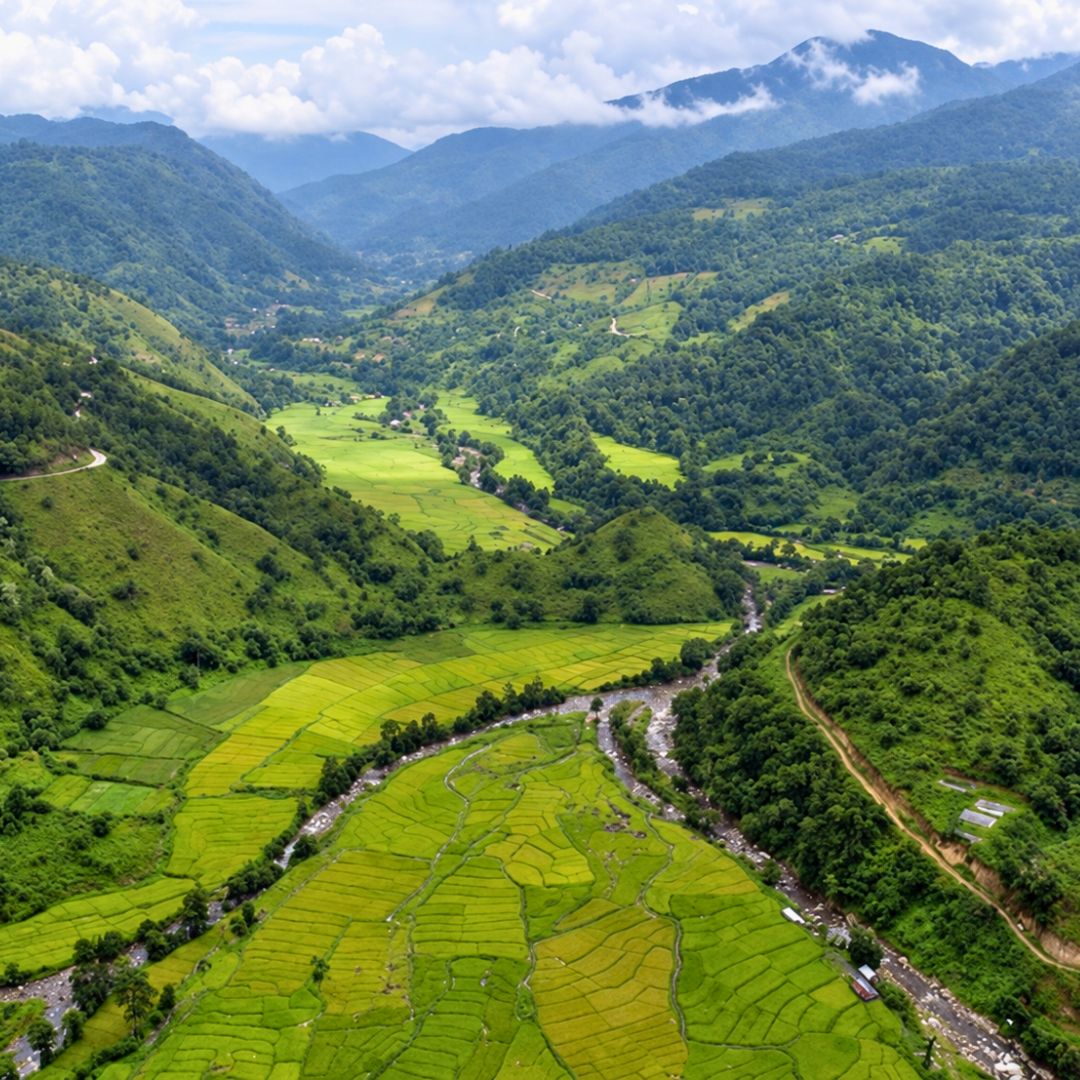 Image 2 of 6
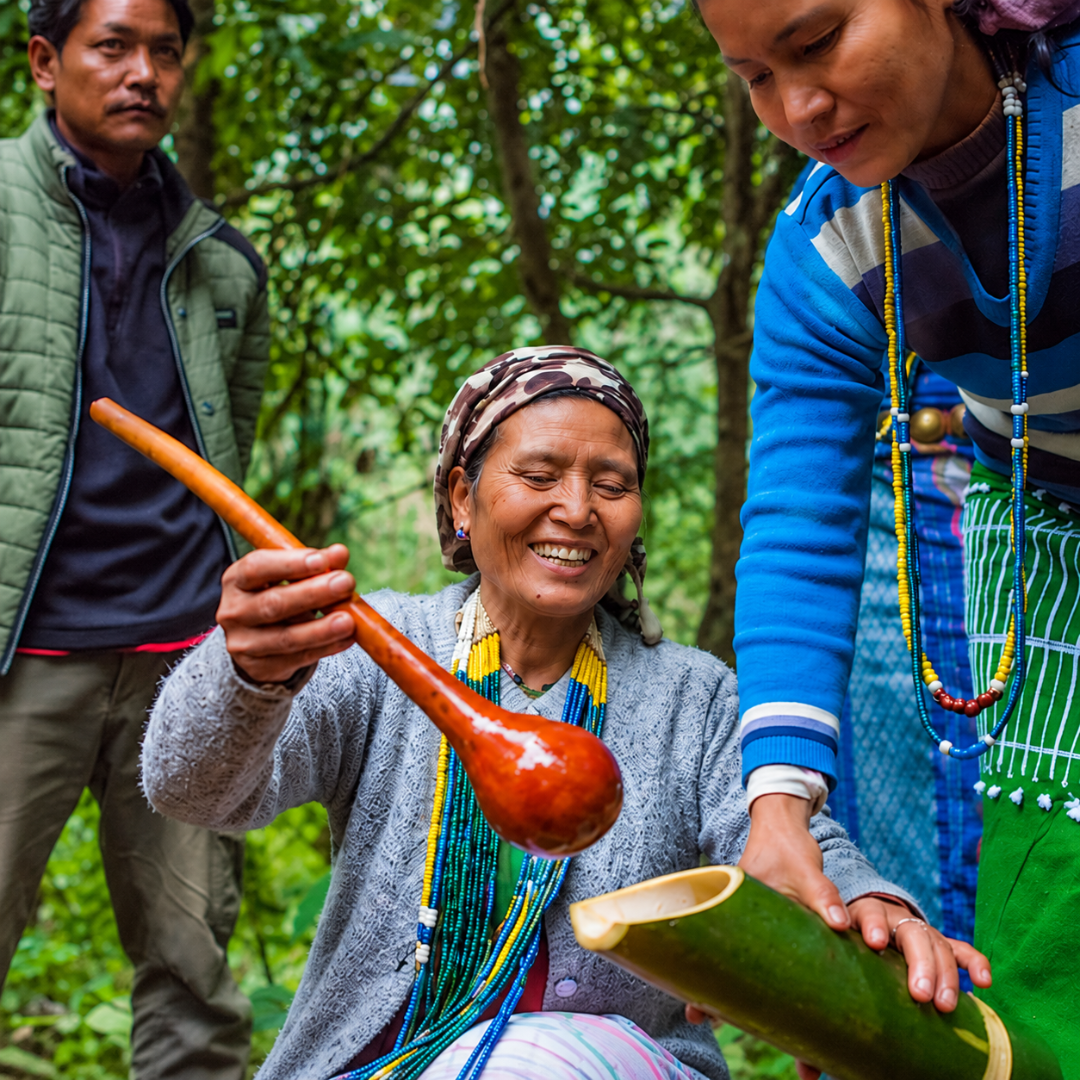 Image 3 of 6
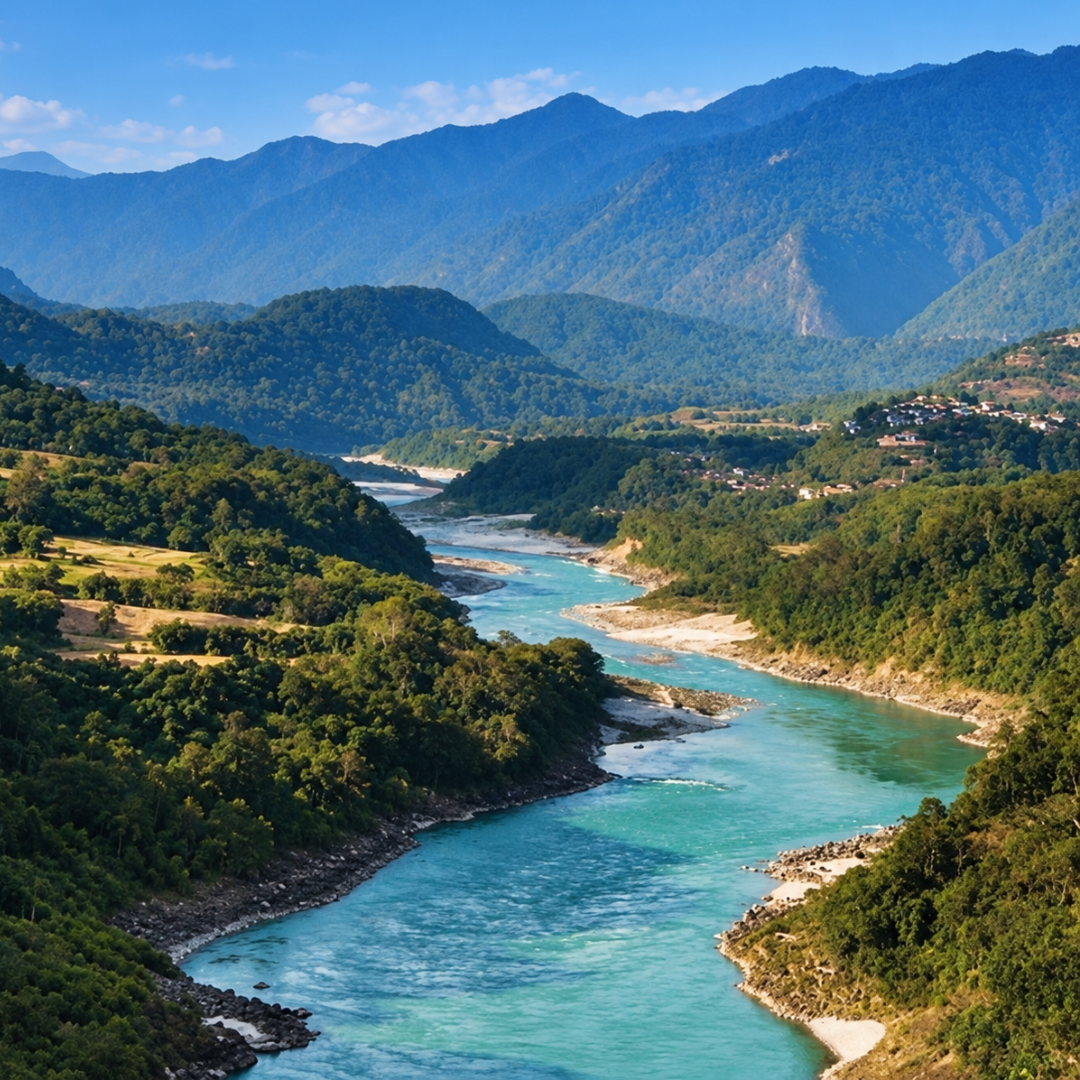 Image 4 of 6
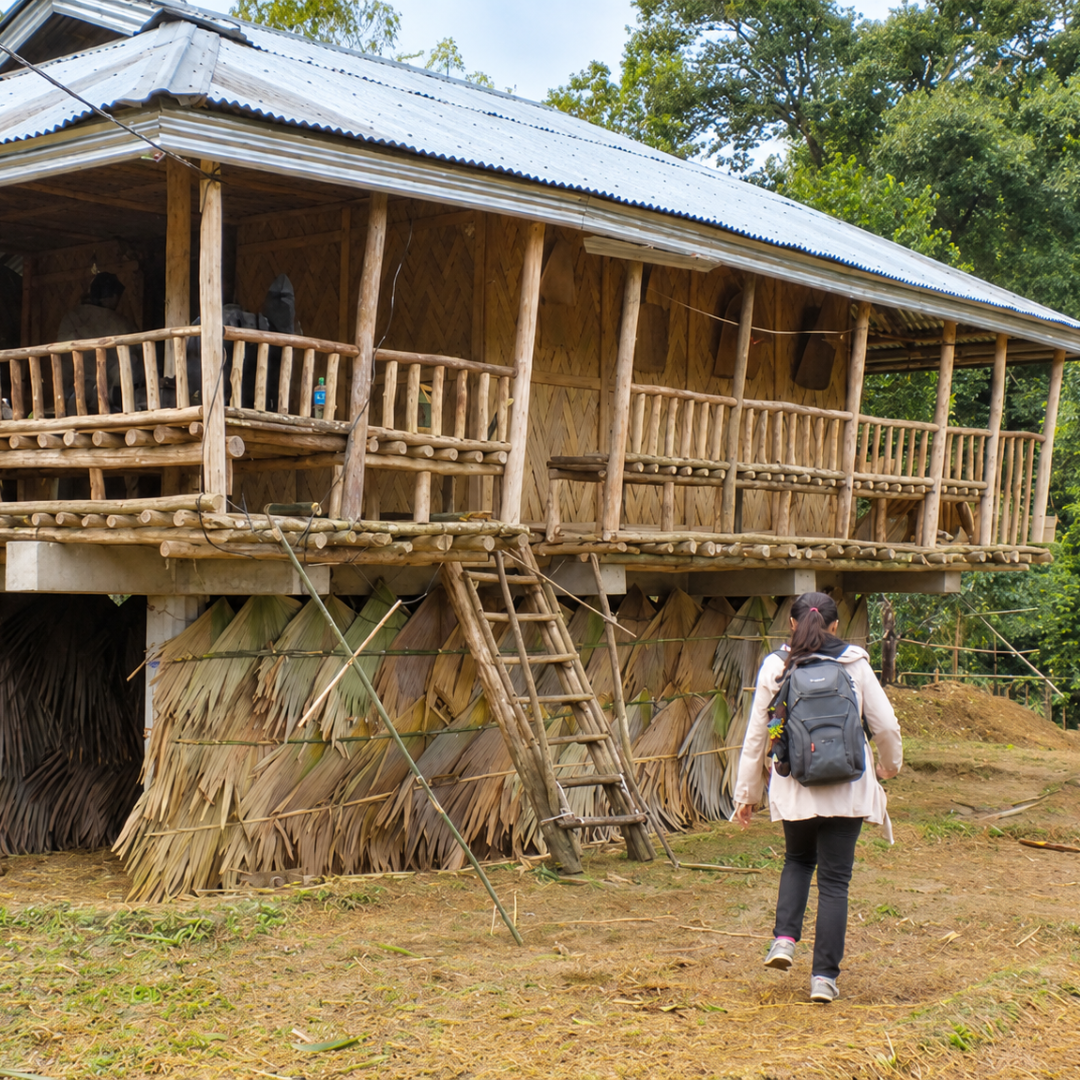 Image 5 of 6
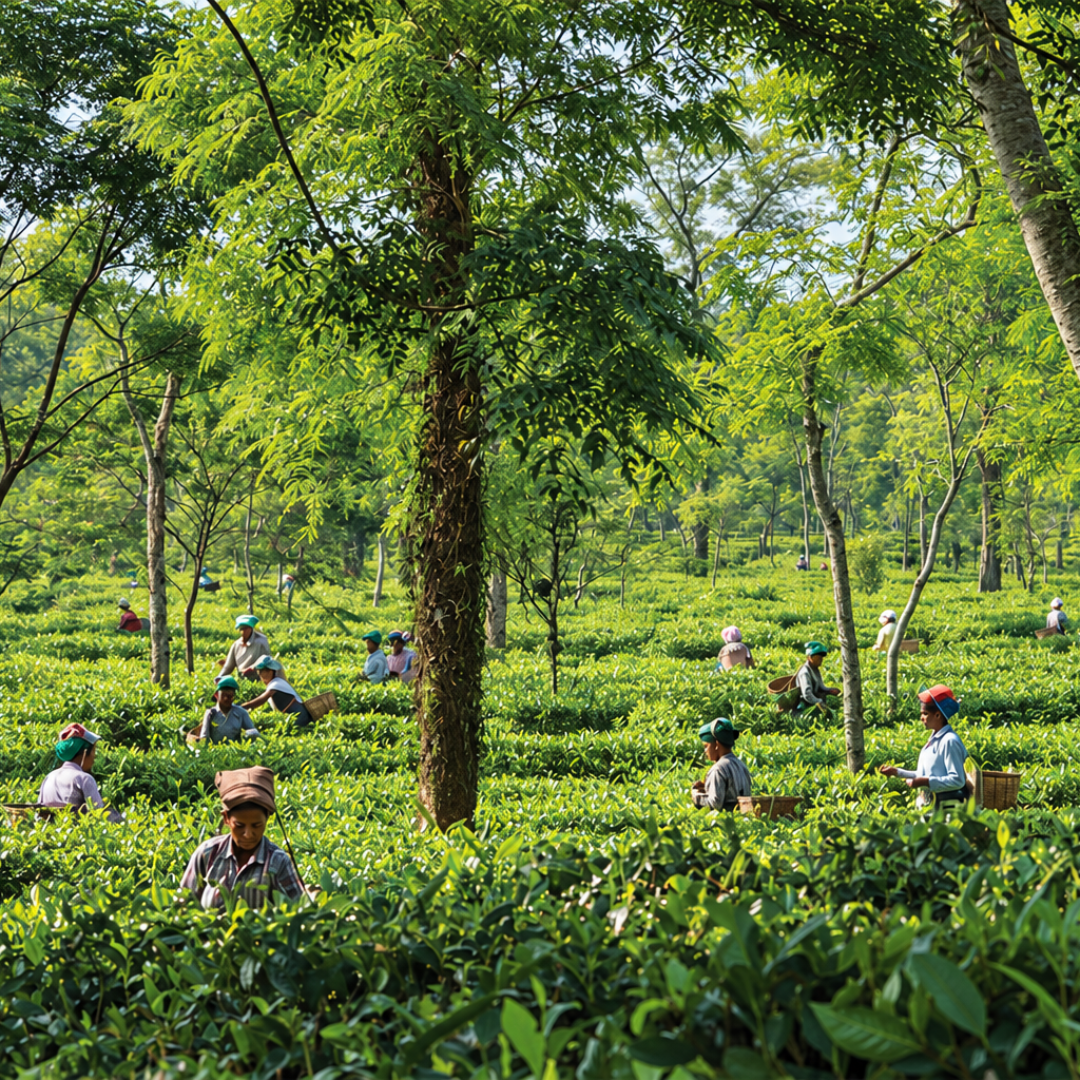 Image 6 of 6
-
Hornbill Festival
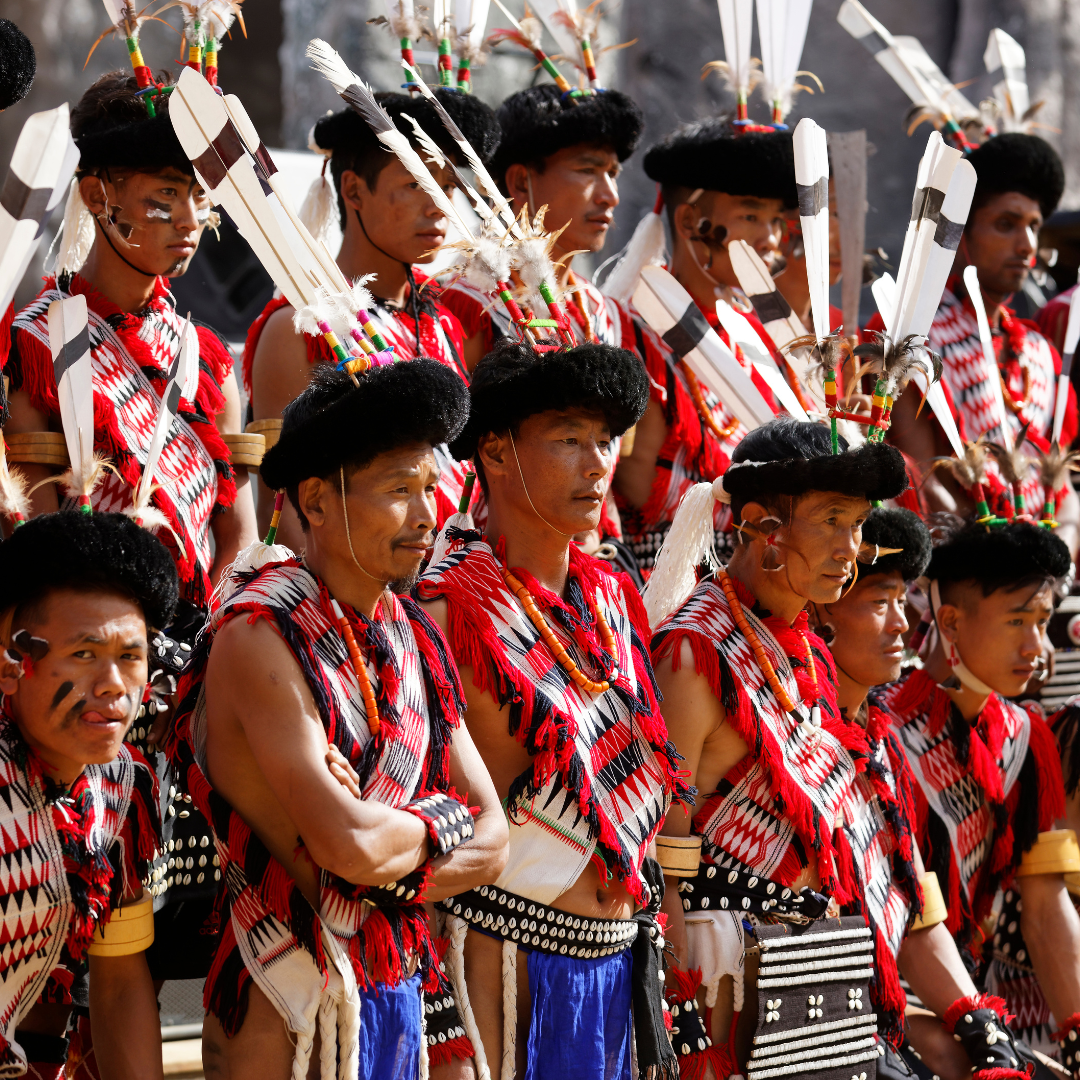
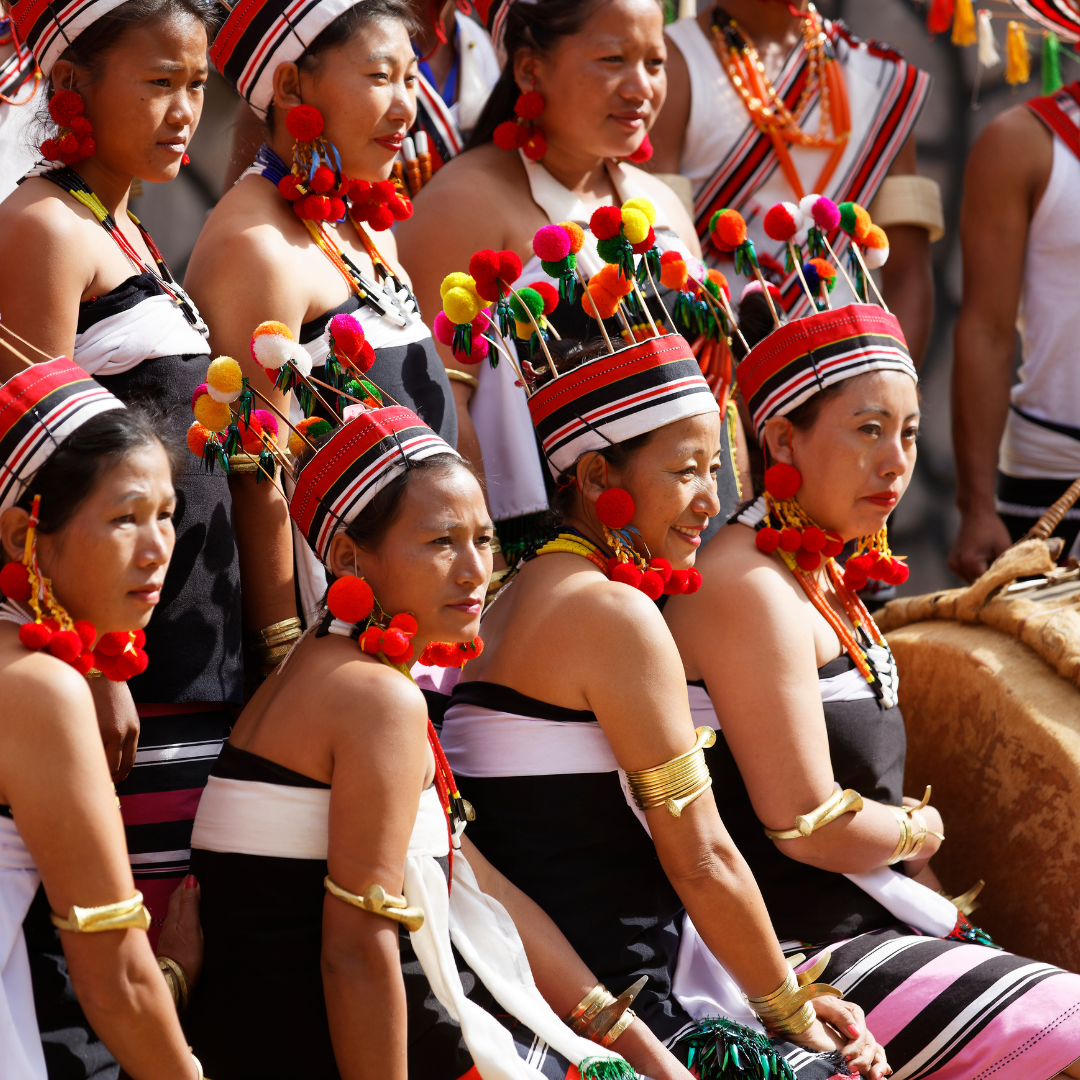
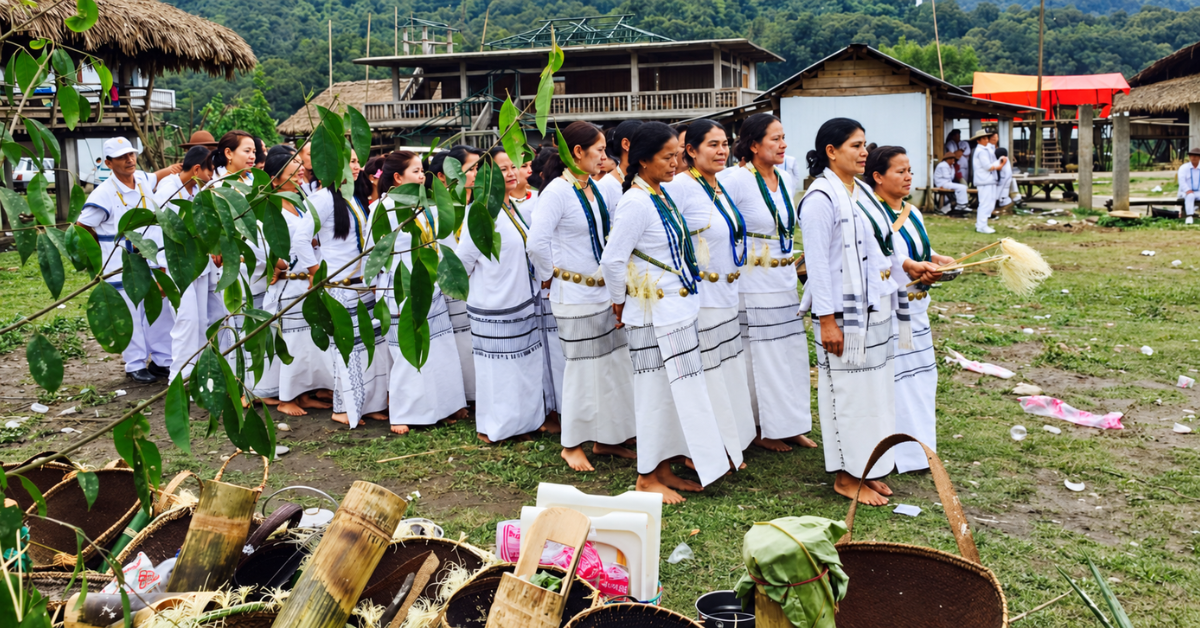
Experience the annual Hornbill Festival across three days, watching traditional dance, music and cultural displays that bring together the state’s diverse Naga communities. Explore the grounds and see the distinctive dress and traditions represented by participating tribes, before returning for the closing celebrations.
-
Village Homestays
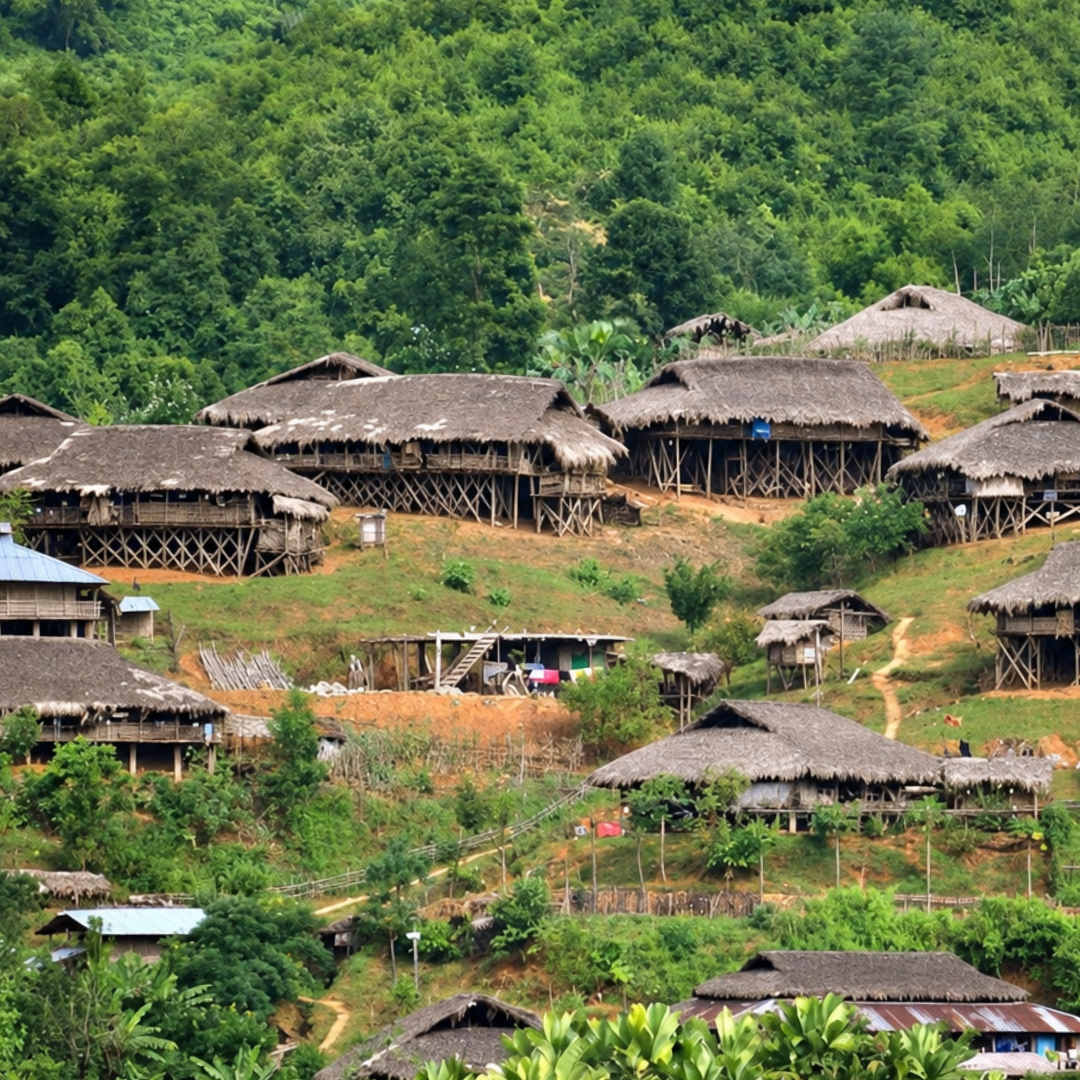
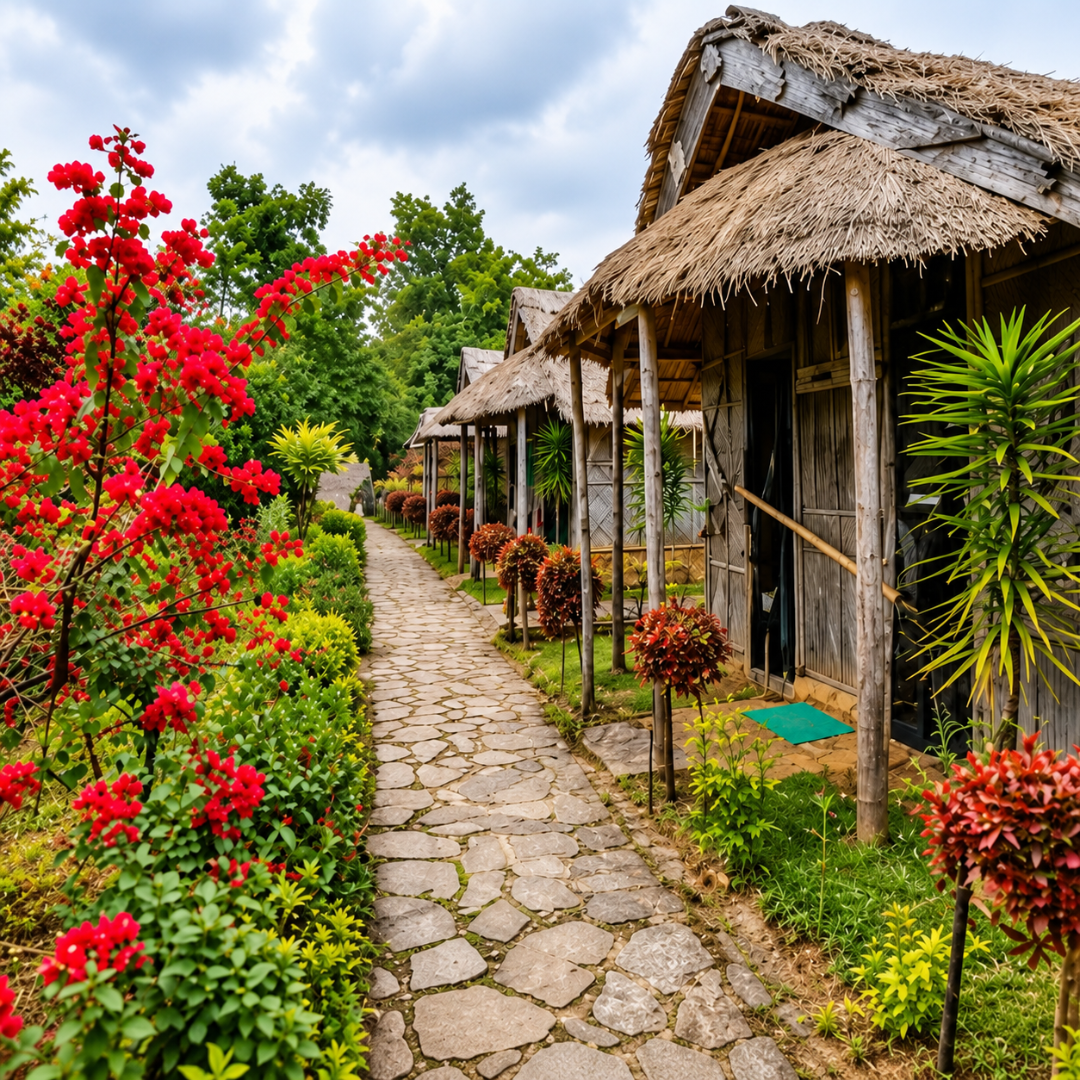
Spend four nights in simple village homestays in Arunachal Pradesh and Nagaland, where the opportunity to spend time with our hosts is part of the experience. Share traditional meals, gather around a bonfire and hear stories about village life. These stays bring us into communities well beyond India’s familiar circuits.
-
Cultural Immersion
Learn about North East India through activities led by the people who call it home. Cook with an Apatani family in Ziro, visit Galo villages around Aalo and explore Khonoma’s community conservation efforts. Visits to alder farms offer different perspectives on how communities maintain their traditions and care for the landscapes.
North East India Tour Itinerary
-
Namaste! Welcome to India. Our journey begins in Delhi, where centuries-old monuments, lively neighbourhoods and bustling markets reveal the many layers of India’s capital.
Upon arrival, we clear immigration and customs before meeting our driver in the arrivals hall and transferring to Udman Hotel Panchshila Park in South Delhi.
After checking in, the remainder of the day is free to rest following our international journey. Those arriving earlier may choose to explore independently this afternoon. The hotel is within easy reach of Qutb Minar and the Hauz Khas shopping district, where boutiques, cafés and galleries offer an introduction to the city.
🛏️ Udman Hotel Panchshila Park, Delhi
Spend one night at Udman Hotel Panchshila Park, a boutique hotel in South Delhi’s established Panchshila Park neighbourhood. Its location provides a convenient base for an independent afternoon exploring nearby sights before we continue to North East India tomorrow. -
Today, we transfer to Delhi airport for our flight to Guwahati, a journey of approximately 2.5 hours, depending on the scheduled service. Leaving the capital behind, we head east to Assam to begin our exploration of North East India, where the broad Brahmaputra Valley meets the hills and mountain ranges of the eastern Himalayas.
Situated on the banks of the Brahmaputra River, Guwahati is Assam’s largest city and an important gateway to the surrounding states. Busy markets, hillside temples and residential neighbourhoods spread out from the river, which has long shaped the movement of people, goods and ideas through the region. Over the coming days, we’ll discover how this landscape supports communities with distinct languages, cuisines and cultural traditions.
Upon arrival, we meet our local representative and receive a traditional Assamese welcome before transferring to Hotel Ratnamouli Palace. The drive offers our first glimpse of Guwahati’s streets and everyday life as we make our way to the hotel and settle into our rooms.
The remainder of the afternoon is free to rest after the journey. With a varied overland route ahead, this is an opportunity to take things slowly before we begin travelling through Assam’s tea-growing countryside and into the mountain valleys of Arunachal Pradesh.
This evening, we enjoy dinner at the hotel and spend our first night in Assam. Tomorrow, we visit Kamakhya Temple, an important Hindu pilgrimage site on Nilachal Hill, before continuing to Balipara for two nights in a heritage tea bungalow.
🥘 Dinner
🛏️ Hotel Ratnamouli Palace, Guwahati
⛰️ Altitude - 51 MetresSpend one night at Hotel Ratnamouli Palace, a contemporary four-star property in Guwahati. Comfortable rooms provide a welcome place to unwind after our flight, with dinner at the hotel allowing us to settle in for the evening before our overland journey begins tomorrow.
-
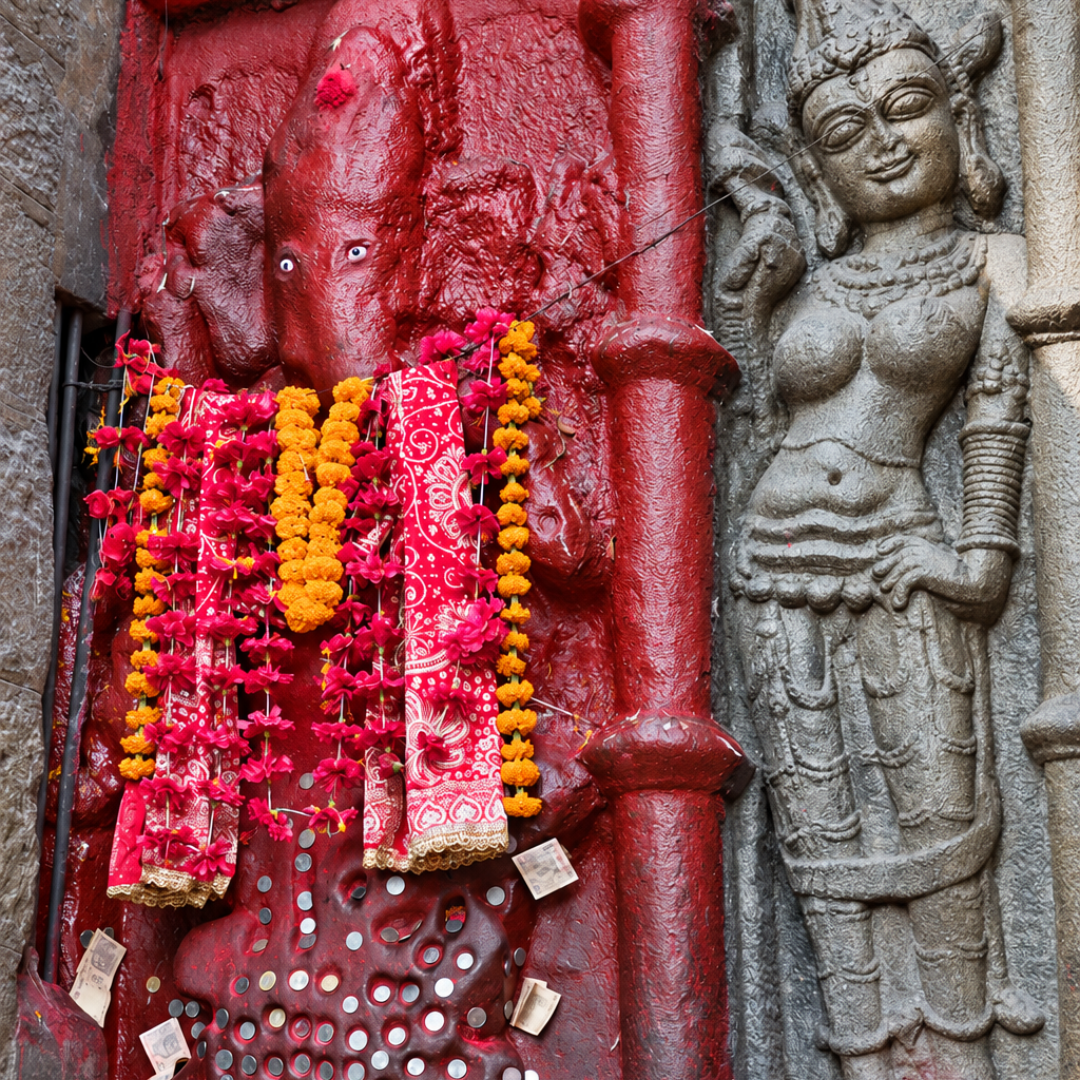
After an early breakfast, we drive up Nilachal Hill to visit Kamakhya Temple, one of India’s most important centres of worship dedicated to the goddess Shakti. Guwahati stretches across the southern bank of the Brahmaputra, with wooded hills rising between its busy neighbourhoods. The temple is an important pilgrimage destination, where religious rituals form part of daily life. We explore the complex with our guide, learning about its significance as a Shakti Peeth and observing devotees arriving to offer prayers.
We then visit a museum near the banks of the Brahmaputra River for an introduction to Assam’s history and culture. The river is central to life in this region, shaping its fertile plains, transport routes and farming traditions. Assam’s position between the eastern Himalayas and the hills of North East India has also brought together communities with distinct languages, beliefs and cultural practices. Our visit helps place the villages, landscapes and traditions we encounter over the coming days into a broader regional context.
Leaving Guwahati behind, we continue towards Balipara, with approximately five hours of driving ahead. The urban streets gradually give way to smaller towns, cultivated fields and stretches of tea-growing countryside. Much of lowland Assam lies within the broad Brahmaputra Valley, where farming settlements and tea estates sit against a backdrop of distant hills. Tea has shaped the region’s economy and identity for generations, and our journey introduces us to the countryside behind one of India’s best-known exports.
On arrival in Balipara, we check into Wild Mahseer for a two-night stay in a heritage tea bungalow. Close to the foothills of Arunachal Pradesh, this quieter part of Assam provides a transition between the river plains and the mountain country we’ll explore later in our journey. We have the evening free to settle in and enjoy the grounds before dinner at the property. Tomorrow, we spend more time discovering the area’s tea heritage and visiting a local Mishing community.
🥘 Breakfast, Lunch, Dinner
🛏️ Wild Mahseer, Balipara
⛰️ Altitude - 83 MetresSpend two nights at Wild Mahseer, a heritage bungalow property in Assam’s tea-growing countryside near Balipara. Traditional verandahs, period architecture and leafy grounds reflect the region’s tea estate history, offering a distinctive setting in which to slow down and explore this rural corner of Assam.
-
After breakfast, we set out for a half-day exploration of Assam’s tea heritage, beginning with a drive through the tea gardens of the Addabarie Estate. Rows of low tea bushes stretch beneath taller shade trees, creating a landscape closely associated with the Brahmaputra Valley. We learn how the region’s growing conditions influence its teas and how estate life follows the seasonal cycle of cultivation, plucking and processing.
During our visit, we discover how freshly picked leaves are transformed into finished tea, exploring the differences between Orthodox production and the CTC method, which stands for “crush, tear and curl”. Our December visit falls outside the main plucking and processing season, so activity in the gardens and factory will depend on the estate’s schedule. In the tasting room, we sample different grades of Addabarie tea, learning to distinguish their flavours, strength and character.
We return to Wild Mahseer for lunch and some time to refresh before heading out to explore a Mishing village. The Mishing are one of Assam’s indigenous communities, with longstanding connections to the rivers and floodplains of the Brahmaputra Valley. Our visit offers an introduction to village life, with opportunities to learn about local homes, weaving traditions and the ways people adapt their livelihoods to the surrounding environment.
Later, we return to our heritage tea bungalow for an evening at leisure. Today’s experiences bring together two important aspects of rural Assam: the tea estates that have shaped its economy and the communities whose lives are closely connected to the land and rivers. There is time to relax in the grounds before dinner and our second night at Wild Mahseer.
🥘 Breakfast, Lunch, Dinner
🛏️ Wild Mahseer, Balipara
⛰️ Altitude - 83 MetresEnjoy a second night at Wild Mahseer, where heritage bungalows, shaded verandahs and leafy grounds reflect Assam’s tea estate history. The property provides a relaxed rural base near Balipara, with time this evening to appreciate our surroundings before we leave the Brahmaputra Valley for the hills of Arunachal Pradesh tomorrow.
-
After breakfast, we leave Balipara and travel towards Ziro in Arunachal Pradesh, a drive of approximately five hours. Leaving the tea-growing countryside of the Brahmaputra Valley behind, we climb into the hills, where winding roads connect small settlements and forested slopes. The changing scenery introduces us to the mountain landscapes that will shape the next stage of our journey through North East India.
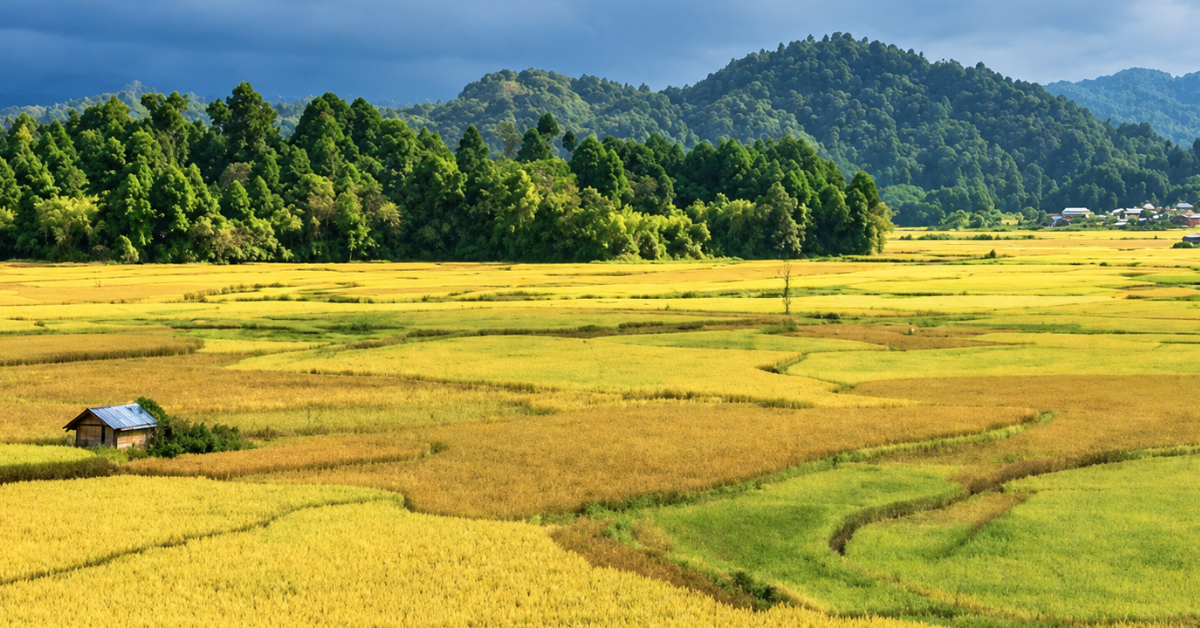
Situated at approximately 1,800 metres, the Ziro Valley is home to the Apatani community, whose villages and agricultural traditions are closely connected to the surrounding valley. Rice cultivation is central to local life, with carefully managed fields reflecting generations of knowledge about the land and water. As we arrive, our guide introduces us to the community’s customs and the importance of farming within Apatani society.
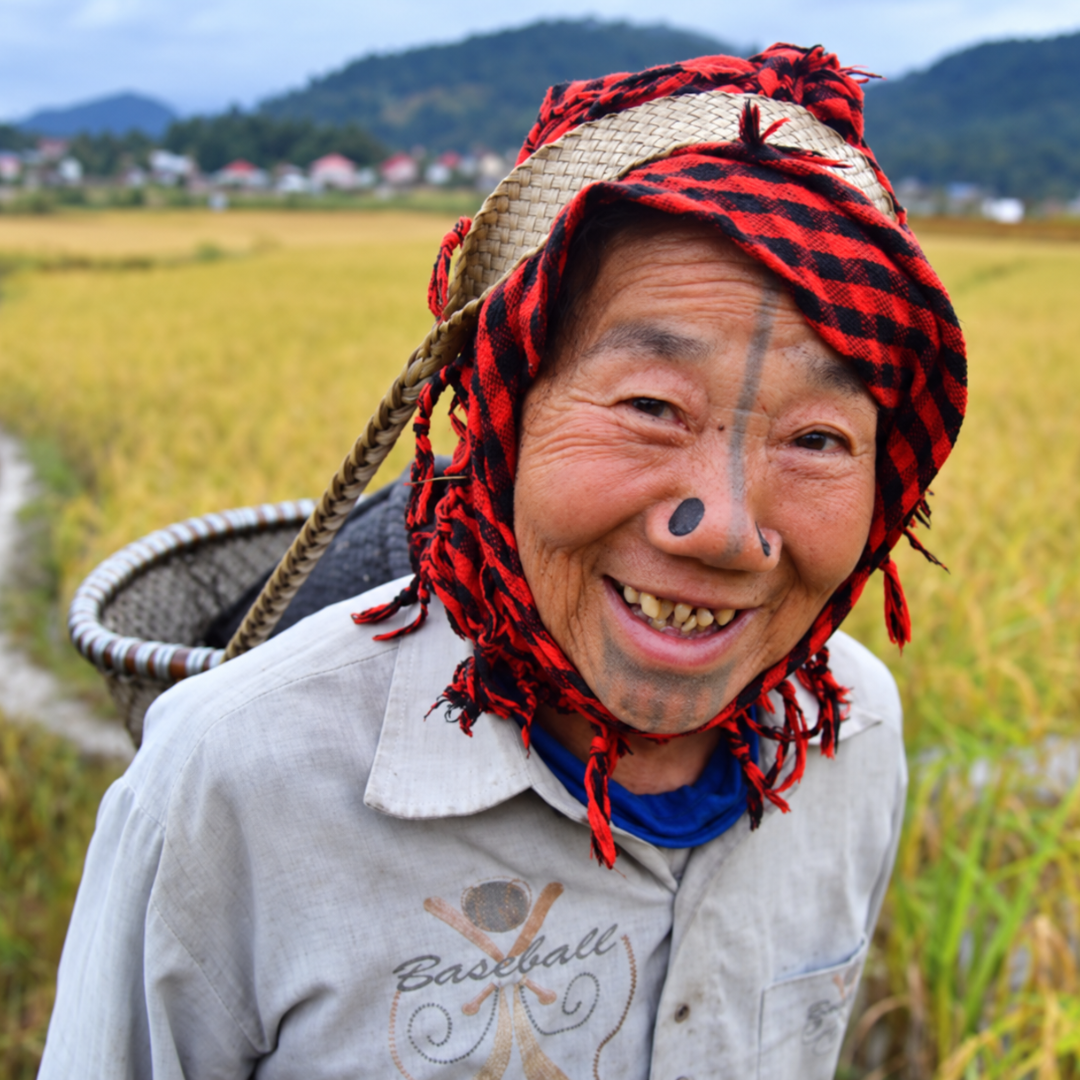
We visit Hong, one of the largest Apatani villages, to begin exploring this distinctive cultural landscape. Walking through the village, we learn about local homes, community life and traditions that have changed across generations. Facial tattoos and nose plugs, associated with some older Apatani women, are part of this history rather than a practice shared by all women today. We also enjoy a traditional dance performed by local women, offering an introduction to Apatani music and dress.
Later, we check into Hotel Blue Pine, our base for two nights in Ziro. The evening is at leisure to settle in after the drive and adjust to the cooler conditions at this higher altitude, with dinner included. Tomorrow, we spend more time exploring the valley’s villages and join a local household for a cooking experience that brings us closer to Apatani food traditions.
🥘 Breakfast, Lunch, Dinner
🛏️ Hotel Blue Pine, Ziro
⛰️ Altitude - 1,800 MetresSpend two nights at Hotel Blue Pine, a modest three-star property in Ziro. Our accommodation provides a practical base for exploring the valley and its Apatani villages, with time to rest between excursions as we discover this rural part of Arunachal Pradesh.
-
After breakfast, we head out to explore more of Ziro’s Apatani villages, spending the day learning about the relationship between community life and the surrounding landscape. The valley’s settlements and rice fields reflect generations of agricultural knowledge, with farming shaping both the countryside and the daily routines of local households. With a full day to explore, we have time to look more closely at the traditions introduced during yesterday’s arrival.
As we make our way through the villages, our guide helps us understand how local homes, shared spaces and cultivated land fit together within Apatani society. We learn more about customs passed between generations and how village life continues to evolve. These visits offer a fuller picture of Ziro beyond its scenery, introducing us to the knowledge and everyday practices that sustain its communities.
Later, we join a local Apatani household for a cooking session and lunch. Our hosts introduce the herbs, spices and other ingredients used in their kitchen, explaining how they are prepared and combined in local dishes. Cooking together offers an opportunity to ask questions, exchange stories and discover flavours that differ from those more commonly associated with Indian cuisine. We then sit down to enjoy the Apatani lunch prepared during our visit.
After our day’s exploration, we return to Hotel Blue Pine for an evening at leisure and dinner. There is time to rest and reflect on our experiences in Ziro before tomorrow’s drive to Aalo, where we begin discovering the villages and traditions of the Galo community. Tonight is our second and final night in the valley.
🥘 Breakfast, Lunch, Dinner
🛏️ Hotel Blue Pine, Ziro
⛰️ Altitude - 1,800 MetresEnjoy a second night at Hotel Blue Pine, our modest three-star base in Ziro. After a day exploring Apatani villages and sharing a locally prepared lunch, we return to familiar surroundings to rest before continuing through Arunachal Pradesh tomorrow.
-
After breakfast, we leave Ziro and continue through Arunachal Pradesh to Aalo, a journey of approximately seven hours. Today is primarily a travelling day, taking us further into a region where mountain roads link communities across an extensive landscape of hills and valleys. As we leave the Apatani villages behind, the drive gives us time to appreciate the terrain that has helped shape the distinct cultures of North East India.
Our route winds through changing mountain scenery, passing forested slopes, small settlements and cultivated land along the way. Travel through this part of Arunachal Pradesh is measured as much by the contours of the landscape as by distance, with bends and changes in elevation setting a slower pace. We descend towards Aalo, situated at approximately 1,000 metres, lower than our previous base in Ziro.
Aalo and its surrounding villages are home to the Galo community, introducing us to another of Arunachal Pradesh’s distinct cultural traditions. Galo identity is expressed through language, community customs and traditional clothing, including woven garments with colourful patterns. Our time here offers an opportunity to learn how these traditions remain part of local life, with village visits and a dance performance planned for tomorrow.
On arrival, we settle into our homestay just outside town, where our rooms have private bathrooms. After the long drive, the remainder of the day is free to rest and become acquainted with our surroundings. We enjoy dinner and spend our first night in Galo country before continuing our exploration in the morning.
🥘 Breakfast, Lunch, Dinner
🛏️ Homestay, near Aalo
⛰️ Altitude - 1,000 MetresSpend one night at a homestay just outside Aalo, with private bathrooms and a quieter setting away from the town centre. Our stay offers a more personal introduction to the area and provides a welcome place to rest between today’s journey and tomorrow’s exploration of the surrounding Galo villages.
-
After breakfast, we set out to explore the Galo villages around Aalo, spending the morning learning about the communities that call this part of Arunachal Pradesh home. The surrounding hills and valleys provide the setting for settlements where family life, farming and community traditions are closely connected. Accompanied by our guide, we gain a fuller understanding of the area beyond yesterday’s introduction.
During our village visits, we learn about Galo customs and enjoy a traditional dance performed in customary dress. Colourful woven garments are an important expression of identity, with the performance bringing together clothing, music and movement. Our guide helps explain the context of the dance and its place within the community’s cultural traditions, adding meaning to what we see.
After lunch, we leave Aalo and drive approximately three hours to Pasighat, descending towards the lower foothills of Arunachal Pradesh. Situated near the Siang River, Pasighat marks a transition between the mountain country and the plains of Assam. The Siang is part of the great river system that becomes the Brahmaputra downstream, connecting the landscapes we have travelled through with the broad Brahmaputra Valley.
On arrival, we check into Hotel Airport View and settle in for the night. The evening is at leisure to rest after our morning’s activities and afternoon drive, with dinner included at the hotel. Tomorrow, we continue to Jorhat in Assam, leaving Arunachal Pradesh behind as we begin the next stage of our journey towards Nagaland.
🥘 Breakfast, Lunch, Dinner
🛏️ Hotel Airport View, Pasighat
⛰️ Altitude - 155 MetresSpend one night at Hotel Airport View, a modest three-star property in Pasighat. Our hotel provides a practical overnight stop between the hills of Arunachal Pradesh and the plains of Assam, with time to relax before tomorrow’s drive to Jorhat.
-
After breakfast, we leave Pasighat and begin the drive to Jorhat, a journey of approximately five hours. Leaving the foothills of Arunachal Pradesh behind, we return to Assam and the broad Brahmaputra Valley. The mountain roads of recent days give way to a more open landscape of agricultural land, villages and towns, marking another change in the scenery and pace of our journey.
Jorhat is closely associated with Assam’s tea industry, with estates forming an important part of the surrounding countryside. Tea connects this region to markets across India and overseas, while estate settlements and nearby farming communities reveal the different livelihoods supported by the valley. Our return to Assam builds on the introduction to tea cultivation and production we enjoyed during our stay in Balipara.
On arrival, we check into Kaziranga Golf Resort and settle in for a restful afternoon. After several days of travelling through Arunachal Pradesh and exploring its villages, today offers an opportunity to slow down and enjoy our surroundings. Despite its name, the resort is near Jorhat, rather than within Kaziranga National Park, and provides our overnight base before we continue towards Nagaland.
The remainder of the day is at leisure, with time to relax at the resort before dinner. Tomorrow brings another change of landscape and culture as we travel towards Kohima and the Angami villages of Nagaland. For now, we enjoy a quieter evening in Assam’s tea-growing countryside and prepare for the next stage of our North East India journey.
🥘 Breakfast, Lunch, Dinner
🛏️ Kaziranga Golf Resort, Jorhat
⛰️ Altitude - 187 MetresSpend one night at Kaziranga Golf Resort, a three-star property near Jorhat in Assam’s tea-growing countryside. Its golf course and open grounds provide a change of setting after our village stays and mountain travels, with an afternoon free to rest before we continue to Nagaland.
-
After breakfast, we leave Jorhat and travel towards Nagaland, exchanging the tea-growing plains of Assam for a landscape of hills and mountain settlements. Our first stage takes approximately 3.5 hours to Dimapur, Nagaland’s commercial centre. Here, we stop to stretch our legs and enjoy lunch before continuing into the hills. This busy city is an important link between the Brahmaputra Valley and the hill districts beyond, with roads carrying people and goods towards the state’s interior.
We continue uphill towards Kohima, a further drive of approximately three hours. As we gain elevation, the plains give way to winding roads and hillside communities. Nagaland is home to distinct Naga communities, each with its own languages, customs and traditions. In and around the capital, contemporary town life sits alongside village institutions and cultural practices that remain important to community identity.
We continue to an Angami village just outside Khonoma, where we settle into our homestay for the next three nights. A welcoming cup of tea provides an opportunity to pause after the long journey and meet our hosts. Staying in a village brings us closer to the everyday surroundings of the Angami community, complementing the village visits and Hornbill Festival experiences ahead.
This evening, our hosts serve a traditional dinner, introducing us to the food of the region. Afterwards, we gather around a bonfire or in a traditional Naga kitchen to hear stories and learn more about local life. These shared spaces offer an informal setting to ask questions and get to know our hosts before retiring for our first night in Nagaland.
🥘 Breakfast, Lunch, Dinner
🛏️ Village Homestay, near Khonoma
⛰️ Altitude - 1,444 MetresSpend three nights at a homestay in an Angami village just outside Khonoma, with private bathrooms. Our village setting and meals with our hosts offer a more personal introduction to Nagaland, while providing a base for exploring Khonoma, Kohima and the Hornbill Festival.
-
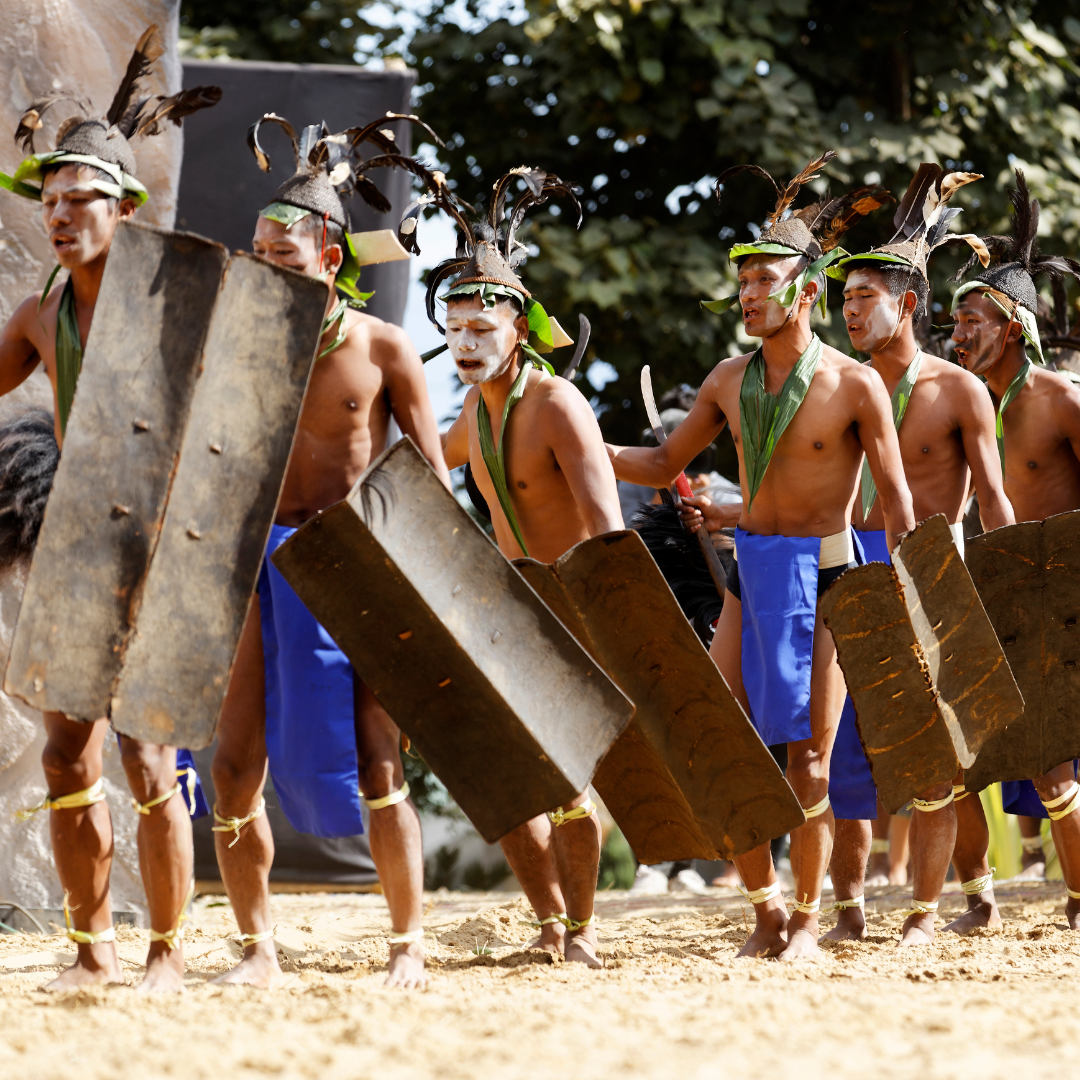
After breakfast, we drive to the Hornbill Festival for a morning of traditional dance and cultural events presented by different Naga communities. The festival brings together groups whose distinct identities are expressed through language, dress, music and customs, offering an opportunity to appreciate the diversity within Nagaland. We watch performances in traditional attire, with our guide helping us understand the communities represented and the stories behind the celebrations.
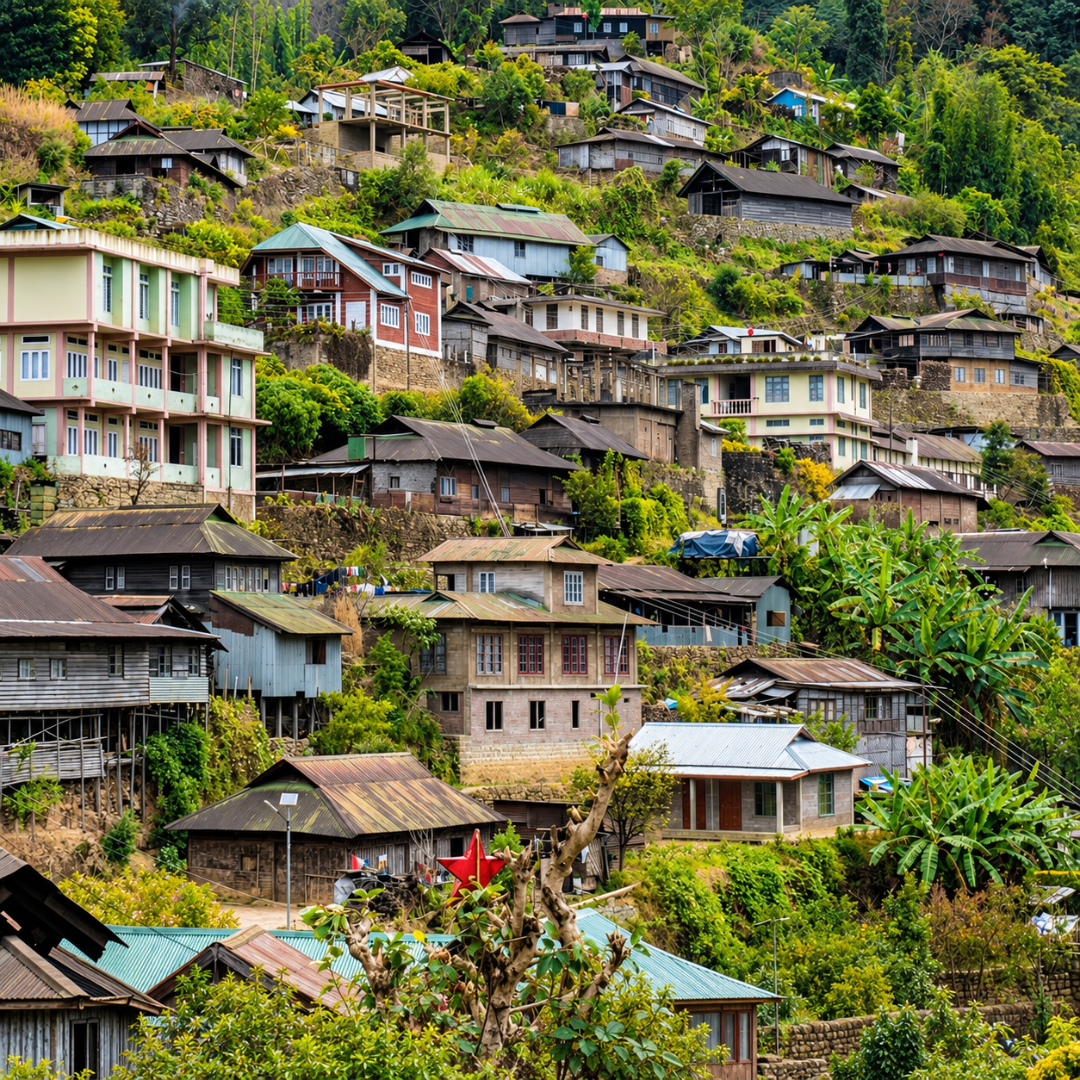
Later, we drive approximately two hours to Khonoma, an Angami village known for its community-led approach to protecting the surrounding forests and biodiversity. Houses cluster along the hillside above cultivated slopes, reflecting the close relationship between village life and the land. We enjoy lunch in a traditional house or guesthouse before exploring how local conservation efforts and agricultural practices support the community’s future.
Our afternoon takes us through Khonoma’s historical forts, traditional houses and community centres, where we learn about the village’s past and the institutions that continue to shape daily life. We also have an opportunity to take part in an indigenous Angami game before visiting the alder farms. Here, villagers introduce us to their cultivation methods and explain the role of alder trees within a farming system developed through generations of working with the surrounding hills.
Towards evening, we enjoy local folk songs performed by members of the village community, adding another dimension to our introduction to Angami culture. After a day encompassing festival celebrations, village history and community conservation, we return to our homestay just outside Khonoma. Dinner is included, followed by time to relax before our second night with our hosts.
🥘 Breakfast, Lunch, Dinner
🛏️ Village Homestay, near Khonoma
⛰️ Altitude - 1,444 MetresEnjoy a second night at our homestay in an Angami village just outside Khonoma, with private bathrooms. Returning to familiar surroundings gives us time to unwind after the day’s activities and continue getting to know our hosts, with another day of exploring Kohima and the Hornbill Festival ahead.
-
After breakfast, we travel to Kohima to visit the War Memorial, where we pause to reflect on the Second World War and its impact on this part of India. The surrounding hills, now home to busy neighbourhoods and village communities, were the setting for fierce fighting during the Battle of Kohima. Our guide introduces the events commemorated here, helping us understand how the war reached Nagaland and affected the people who lived here.
We then visit Kigwema, an Angami village with its own connections to the Second World War. Exploring the village brings a local perspective to the history introduced at the memorial, placing the experiences of residents alongside the wider military story. It also builds on yesterday’s time in Khonoma, offering another opportunity to learn about Angami village life and the importance of community identity within Nagaland.
Later, we return to the Hornbill Festival for its closing celebrations. Having spent time in the surrounding villages, we arrive with a deeper appreciation of the communities represented and the traditions expressed through their performances. We enjoy the cultural presentations, music and dance that mark the festival’s conclusion, with the final programme bringing together the celebratory atmosphere and cultural diversity of the event.
After the closing ceremony, we return to our homestay just outside Khonoma for our final night in Nagaland. Today’s experiences reveal different aspects of the region, connecting its wartime history with the village communities and cultural traditions we have encountered during our stay. We enjoy dinner and time to reflect on the journey before tomorrow’s return to Assam.
🥘 Breakfast, Lunch, Dinner
🛏️ Village Homestay, near Khonoma
⛰️ Altitude - 1,444 MetresEnjoy a final night at our homestay in an Angami village just outside Khonoma, with private bathrooms. Our stay has provided a welcoming base for exploring the surrounding villages, Kohima and the Hornbill Festival, with a last evening to spend with our hosts before continuing to Jorhat tomorrow.
-
After breakfast, we farewell our hosts and leave the hills of Nagaland for Jorhat, a drive of approximately 5.5 hours. Descending towards Assam, we watch hillside settlements give way to the more open agricultural landscapes of the Brahmaputra Valley. The changing scenery marks our return to the tea-growing countryside where we stayed before travelling into Nagaland.
Along the way, we have time to reflect on the different communities we have encountered throughout our journey. The Apatani villages of Ziro, Galo traditions around Aalo and Angami hospitality near Khonoma have each offered a distinct introduction to North East India, revealing the diversity of life across neighbouring valleys and states.
On arrival in Jorhat, we check into Kaziranga Golf Resort for our final night together. Returning to familiar surroundings provides an opportunity to slow down after the drive, enjoy the open grounds and rest before tomorrow’s flight to Delhi. The remainder of the afternoon is at leisure.
This evening, we gather for dinner and look back on our travels through Assam, Arunachal Pradesh and Nagaland. It is an opportunity to share favourite experiences with our fellow travellers before preparing for our international departures or onward journeys in India.
🥘 Breakfast, Lunch, Dinner
🛏️ Kaziranga Golf Resort, Jorhat
⛰️ Altitude - 187 MetresSpend one final night at Kaziranga Golf Resort, a three-star property near Jorhat in Assam’s tea-growing countryside. Its open grounds provide a relaxed setting for our last evening together before we transfer to the airport tomorrow.
Optional Extension: Brahmaputra River Cruise
Extend your North East India journey with Assam Bengal Navigation’s 10-night Brahmaputra Maximum river voyage. Instead of staying overnight in Jorhat and flying to Delhi tomorrow, guests taking this extension transfer to Neamati Ghat today to board the vessel, meet the local crew and settle into their cabins.
The voyage offers a different perspective on Assam, combining time on the Brahmaputra with guided excursions to riverside communities and cultural sites. Highlights include the Ahom heritage of Sibsagar, the monasteries and performing traditions of Majuli Island, jeep safaris in Kaziranga National Park and a float trip on the Jia-Bhoreli River in Nameri National Park. Visits to tea-growing country and the silk-weaving town of Sualkuchi further explore the region’s livelihoods and traditions.
All meals and scheduled guided excursions are included during the cruise. The voyage concludes in Guwahati on 21 December, followed by a transfer to the airport for the flight to Delhi.
-
After breakfast, we transfer to Jorhat airport for our flight to Delhi, bidding farewell to Assam and the Brahmaputra Valley. Our final morning brings the land tour to a close after travelling through three states with distinct landscapes, languages and cultural traditions.
Over the past two weeks, our route has taken us through Assam’s tea-growing countryside, the mountain valleys of Arunachal Pradesh and the Angami villages of Nagaland. Time spent in local homes, learning about farming and food traditions and joining the Hornbill Festival has introduced us to the communities that shape this diverse part of India.
On arrival in Delhi, we connect with our international departure or continue with onward travel arrangements in India. The capital marks the end of our shared journey, with airport formalities and any onward connections determined by our individual travel plans.
We farewell our fellow travellers, taking home memories of village hospitality, mountain roads and the people we have met along the way.
🥘 Breakfast
-
Private airport arrival transfer in Delhi and departure transfer to Delhi airport on Day 2
13 nights accommodation in selected hotels, heritage tea bungalows and village homestays, with private bathrooms throughout
12 breakfasts, 11 lunches and 12 dinners as specified in the itinerary
Domestic flights from Delhi to Guwahati and Jorhat to Delhi, including 15kg of checked baggage
All ground transport and sightseeing as outlined in the itinerary in Toyota Innovas, with two guests per vehicle
English-speaking accompanying local guide and tour host throughout the land journey
Guided visit to Kamakhya Temple on Nilachal Hill and a museum visit in Guwahati
Two-night heritage tea bungalow stay at Wild Mahseer in Balipara
Half-day exploration of Addabarie Estate, including an introduction to tea production and a tea tasting, with garden and factory activity dependent on the season
Visit to a Mishing village for an introduction to rural life in Assam
Guided exploration of Apatani villages in Ziro, including Hong village and a traditional dance performance
Apatani cooking experience and lunch in a local home
Visits to Galo villages near Aalo, including a traditional dance performance
Three-night homestay in an Angami village near Khonoma, including traditional meals and an evening of storytelling around a bonfire or in a Naga kitchen
Hornbill Festival visits, including cultural performances and the closing ceremony
Guided exploration of Khonoma’s historical forts, traditional houses and community centres
Introduction to Khonoma’s community conservation initiatives and alder cultivation practices
Traditional Angami game and local folk song experience
Guided visits to Kohima War Memorial and Kigwema village, exploring the region’s Second World War history
Protected Area Permits for Arunachal Pradesh and Nagaland
Indian electronic travel authorisation (e-visa)
Bottled drinking water while travelling in the tour vehicles
All entrance fees and activity charges for the experiences specified in the itinerary, including Hornbill Festival admission
All applicable Indian taxes
Gratuities for guides and drivers
-
International airfares
Meals not specified in the itinerary
Alcoholic beverages, soft drinks, other beverages and snacks
Optional activities and sightseeing not specified in the itinerary
Optional Assam Bengal Navigation Brahmaputra Maximum river cruise extension
Travel insurance, which is strongly recommended
Camera and photography fees where applicable
Personal expenses including laundry, telephone calls, souvenirs and spa treatments
Excess baggage charges above the included domestic flight allowance
Additional transport costs if a guest returns earlier than scheduled
Additional costs arising from flight delays, cancellations, weather conditions, natural events or road blockages, including extra accommodation, meals, alternative transport and rebooking fees
Any items or services not specifically listed in the inclusions
North East India Tour Key Information
-
At Remarkable East, we believe small group touring should be just that: small.
As such, the group size will be capped at a maximum of 12 people, ensuring a more intimate and personalized experience.
This way, we’re able to get around with ease, utilise local transport and visit more off-the-beaten-track destinations. Our India small group tours are a great opportunity to connect with like-minded travellers, and you may even leave with lifelong friendships. -
With a maximum of 12 guests per tour, standard inclusions are:
Private airport arrival transfer in Delhi and departure transfer to Delhi airport on Day 2
13 nights accommodation in selected hotels, heritage tea bungalows and village homestays, with private bathrooms throughout
12 breakfasts, 11 lunches and 12 dinners as specified in the itinerary
Domestic flights from Delhi to Guwahati and Jorhat to Delhi, including 15kg of checked baggage
All ground transport and sightseeing as outlined in the itinerary in Toyota Innovas, with two guests per vehicle
English-speaking accompanying local guide and tour host throughout the land journey
Guided visit to Kamakhya Temple on Nilachal Hill and a museum visit in Guwahati
Two-night heritage tea bungalow stay at Wild Mahseer in Balipara
Half-day exploration of Addabarie Estate, including an introduction to tea production and a tea tasting, with garden and factory activity dependent on the season
Visit to a Mishing village for an introduction to rural life in Assam
Guided exploration of Apatani villages in Ziro, including Hong village and a traditional dance performance
Apatani cooking experience and lunch in a local home
Visits to Galo villages near Aalo, including a traditional dance performance
Three-night homestay in an Angami village near Khonoma, including traditional meals and an evening of storytelling around a bonfire or in a Naga kitchen
Hornbill Festival visits, including cultural performances and the closing ceremony
Guided exploration of Khonoma’s historical forts, traditional houses and community centres
Introduction to Khonoma’s community conservation initiatives and alder cultivation practices
Traditional Angami game and local folk song experience
Guided visits to Kohima War Memorial and Kigwema village, exploring the region’s Second World War history
Protected Area Permits for Arunachal Pradesh and Nagaland
Indian electronic travel authorisation (e-visa)
Bottled drinking water while travelling in the tour vehicles
All entrance fees and activity charges for the experiences specified in the itinerary, including Hornbill Festival admission
All applicable Indian taxes
Gratuities for guides and drivers
-
The following expenses are not included in the tour price and are the responsibility of each traveller:
International airfares
Meals not specified in the itinerary
Alcoholic beverages, soft drinks, other beverages and snacks
Optional activities and sightseeing not specified in the itinerary
Optional Assam Bengal Navigation Brahmaputra Maximum river cruise extension
Travel insurance, which is strongly recommended
Camera and photography fees where applicable
Personal expenses including laundry, telephone calls, souvenirs and spa treatments
Excess baggage charges above the included domestic flight allowance
Additional transport costs if a guest returns earlier than scheduled
Additional costs arising from flight delays, cancellations, weather conditions, natural events or road blockages, including extra accommodation, meals, alternative transport and rebooking fees
Any items or services not specifically listed in the inclusions
Australian passport holders require a visa to enter India. An Indian electronic travel authorisation (e-Visa) is included in the tour price. Travellers must provide the documentation required to complete their application within the advised timeframe. Additional permits are required for certain areas of North East India, including Arunachal Pradesh. We will advise of the applicable visa and permit requirements for this journey. Requirements are subject to change, so travellers should check the latest Australian Government travel advice and Indian immigration requirements before travelling.
To ensure all tour arrangements can be confirmed correctly, passenger names must be provided exactly as they appear on each traveller’s passport. Any fees incurred due to incorrect passenger details, expired passports or invalid travel documentation will be the responsibility of the traveller. Passports must be valid for at least six months from the date of arrival in India and have at least two blank pages for immigration stamps. Passport copies and additional information will be required in advance to arrange the e-Visa and applicable permits.
-
Our North East India small group tour will be led by Saurabh, a local icon at India Unbound with close to a decade of experience helping travellers explore India beyond the usual sights. Alongside his operations role, he regularly guides tours across the country, bringing a focus on personal connections and a deep knowledge of India to each journey. Away from work, Saurabh enjoys home cooking, playing guitar, AFL and the great outdoors.
-
To make a booking, we simply require a deposit of $750 AUD with the balance due 60 days prior to travel. Full payment is due at the time of booking for departures within 60 days. Please get in touch with us for more information.
-
This tour requires a moderate level of fitness and good mobility. Village visits, cultural activities and time at the Hornbill Festival involve walking on uneven ground, managing steps and slopes and standing for extended periods. Participants must be able to:
Walk independently without assistance and keep pace with the group
Navigate uneven village paths, rural roads, steps and sloping ground
Participate in guided walks through villages, including Khonoma
Manage walking and standing during visits to the Hornbill Festival
Remove shoes where required and walk through temples and other cultural sites
Board and disembark the tour vehicle without assistance
Manage regular periods of walking and standing during sightseeing
Village visits may include steep sections, irregular steps and unsealed paths that can become muddy or slippery after rain. Reasonable balance and confidence on uneven surfaces are important, particularly in rural areas where handrails and level paving may be limited.
The itinerary also includes long road journeys through mountainous regions. Roads can be winding, rough and uneven, and travel times may vary depending on road conditions, weather and traffic. Guests should be comfortable spending extended periods in a vehicle and getting in and out regularly during sightseeing stops.
Accommodation includes village homestays, where facilities are simpler than those found in conventional hotels. Guests should be comfortable adapting to local conditions, with access and bathroom arrangements that may vary between properties.
This is not a trekking itinerary, but reasonable mobility, balance and stamina are required to participate comfortably. Rural infrastructure and accommodation mean that accessible facilities cannot be assumed. Travellers who use mobility aids or require specialised accessibility arrangements should discuss their needs with us before booking.
If you have any mobility, medical or fitness concerns, please let us know when booking so we can help determine whether the itinerary is appropriate for your individual needs.
-
Domestic flights included in this tour allow 15kg of checked luggage per person. Please pack within this allowance, as any excess baggage charges are your responsibility. Cabin baggage allowances will be advised with your travel documentation.
We recommend one manageable suitcase or soft-sided travel bag per person, plus a small daypack for essentials such as water, medication, a camera and an extra layer. Luggage space in the tour vehicles is limited.
You should be able to manage your own luggage when required, particularly at village homestays where porter assistance may not be available and access may involve steps or uneven paths.
-
Tips for your accompanying guide and drivers are included in the tour price, so there is no need to tip them separately. You are welcome to offer an additional tip if you feel someone has provided exceptional service, but this is entirely at your discretion.
Tips for hotel staff, restaurant staff and local experience hosts are not included. Tipping is appreciated in India but is not compulsory. Small tips for porters, housekeeping staff and other service providers may be given at your discretion.
-
Absolutely. If you would like to arrive early, extend your stay or explore more of India before or after the tour, our team can assist with additional travel arrangements.
As part of The Unbound Travel Group, our sister company India Unbound specialises in private, tailor made journeys throughout India. The team can arrange additional accommodation, airport transfers, private touring and personalised extensions to other parts of the country.
You can also extend your journey with a Brahmaputra River cruise departing immediately after the group tour. Our tour guests receive 5% off the cruise, making it an ideal opportunity to explore more of Assam’s riverside villages, landscapes and wildlife. Please let us know when booking if you would like to add the cruise or discuss other arrangements.
-
Accommodation is a mix of city hotels, a heritage tea bungalow and village homestays, chosen for their character, location and connection to the regions we visit. Standards vary throughout the journey, reflecting the limited accommodation available in some of North East India’s more remote areas.
The village homestays are simpler than conventional hotels, offering an opportunity to experience local hospitality and daily life. Rooms, bathroom facilities and amenities may differ between properties, so flexibility and a willingness to embrace local conditions are important.
This tour is best suited to travellers who value cultural experiences and distinctive stays, and are comfortable with varying levels of comfort rather than a consistent international hotel standard.
-
It’s as easy as getting in touch with us via mail@remarkableeast.com.au - we like to chat with our guests before making a reservation to ensure this is the right trip for them.
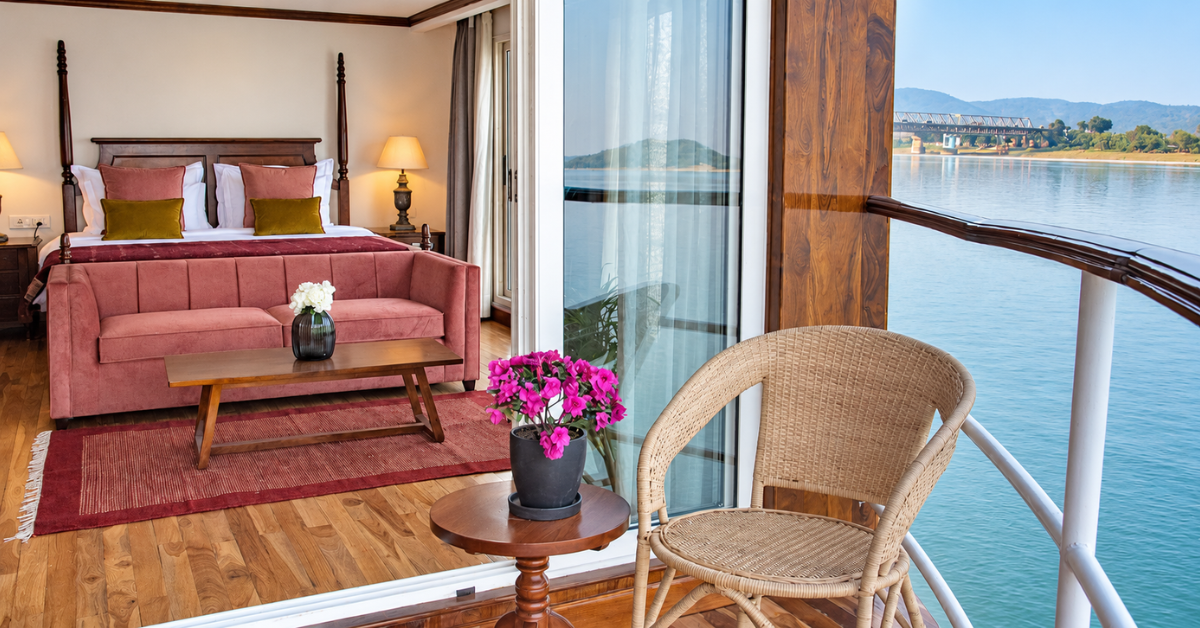
Extend Your Time In North East India
Extend your journey with Assam Bengal Navigation’s 10-night Brahmaputra Maximum river cruise. Explore Sibsagar’s Ahom heritage, Majuli Island’s monasteries and Sualkuchi’s silk-weaving traditions. Three jeep safaris in Kaziranga National Park offer opportunities to spot one-horned rhinoceroses and wild elephants, while a float trip explores Nameri’s forest-lined Jia-Bhoreli River. Between excursions, relax on board and watch life unfold along the Brahmaputra Valley. All meals and scheduled guided excursions are included, and guests joining our Frontiers Of North East India tour receive a 5% discount on this river cruise.