
 Image 1 of 6
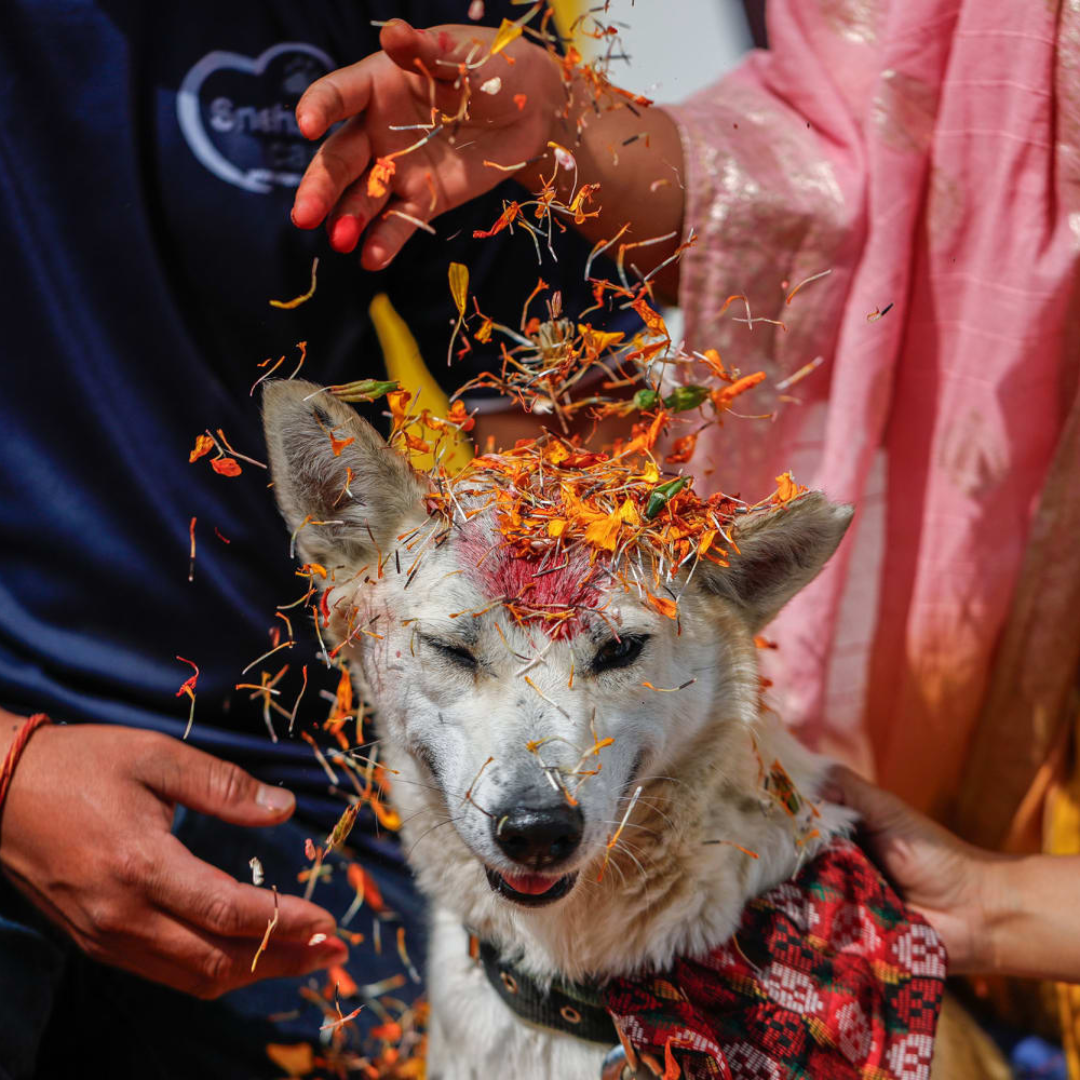 Image 2 of 6
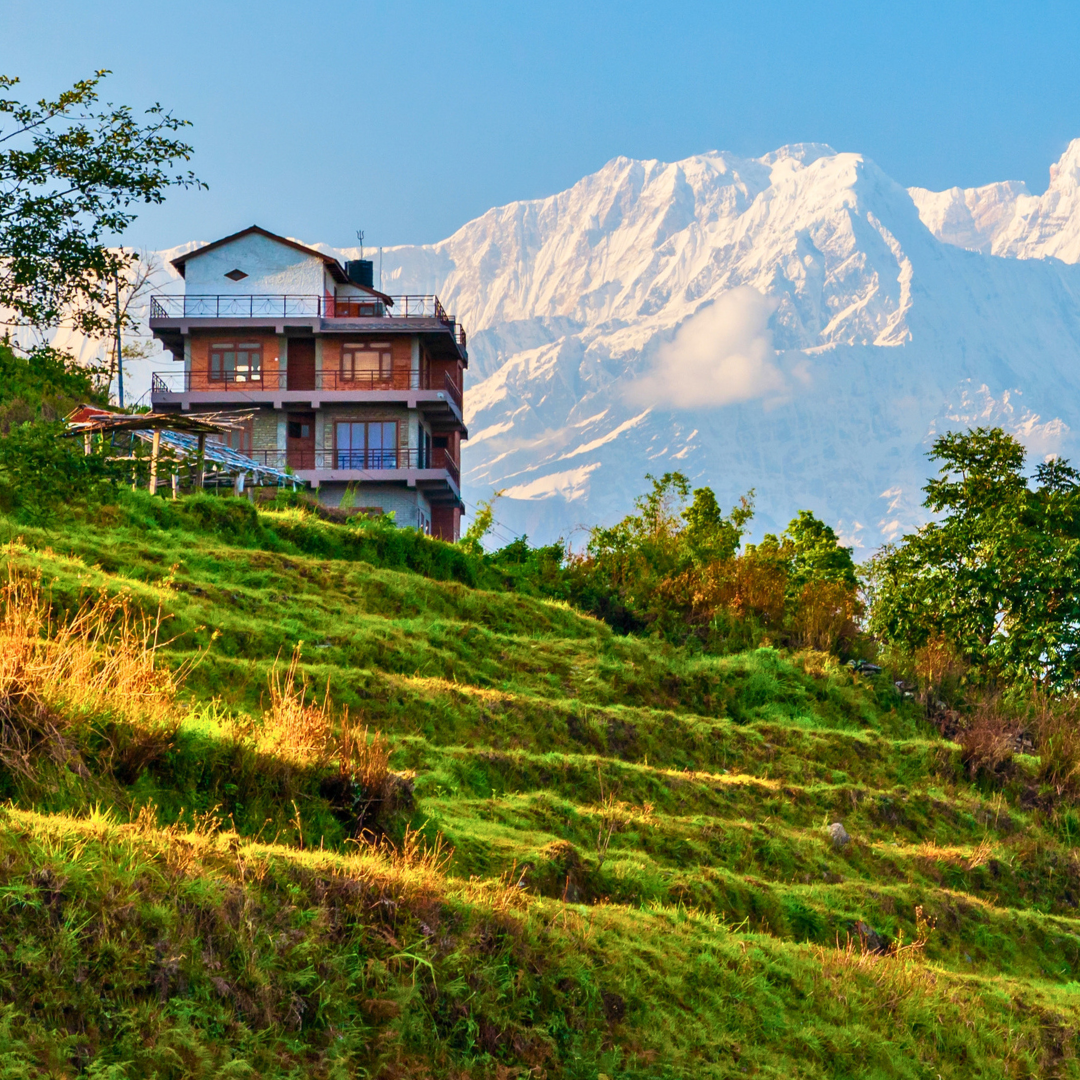 Image 3 of 6
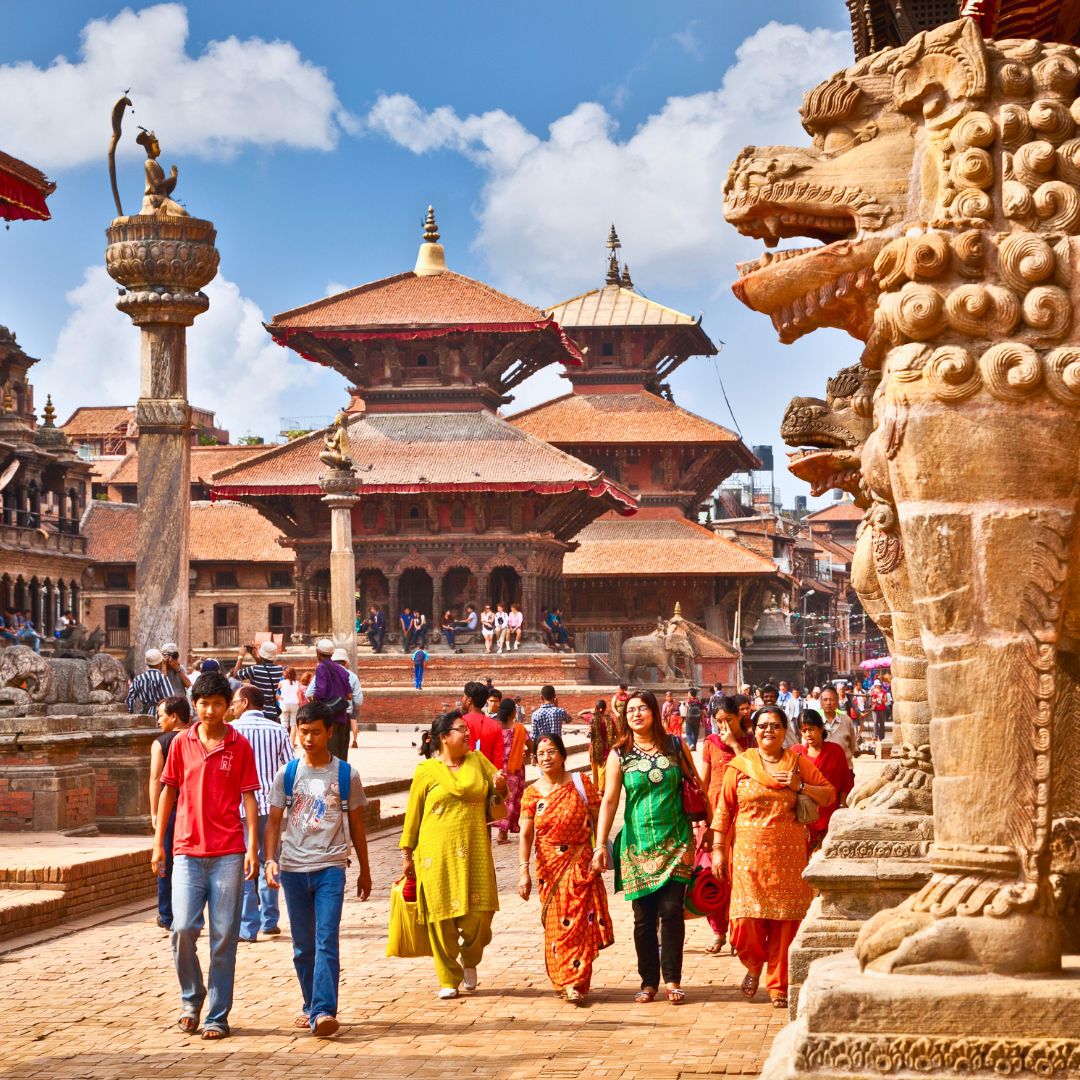 Image 4 of 6
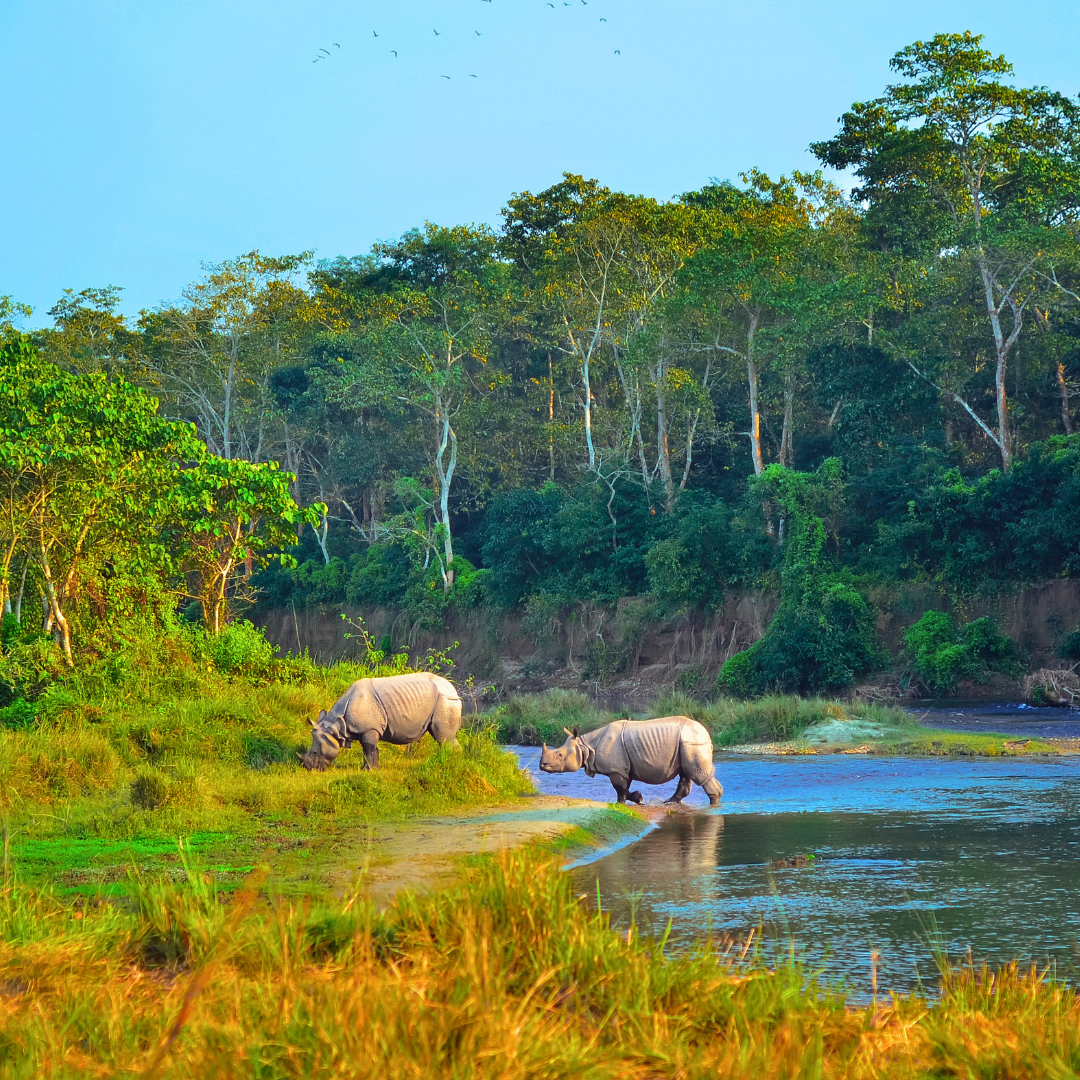 Image 5 of 6
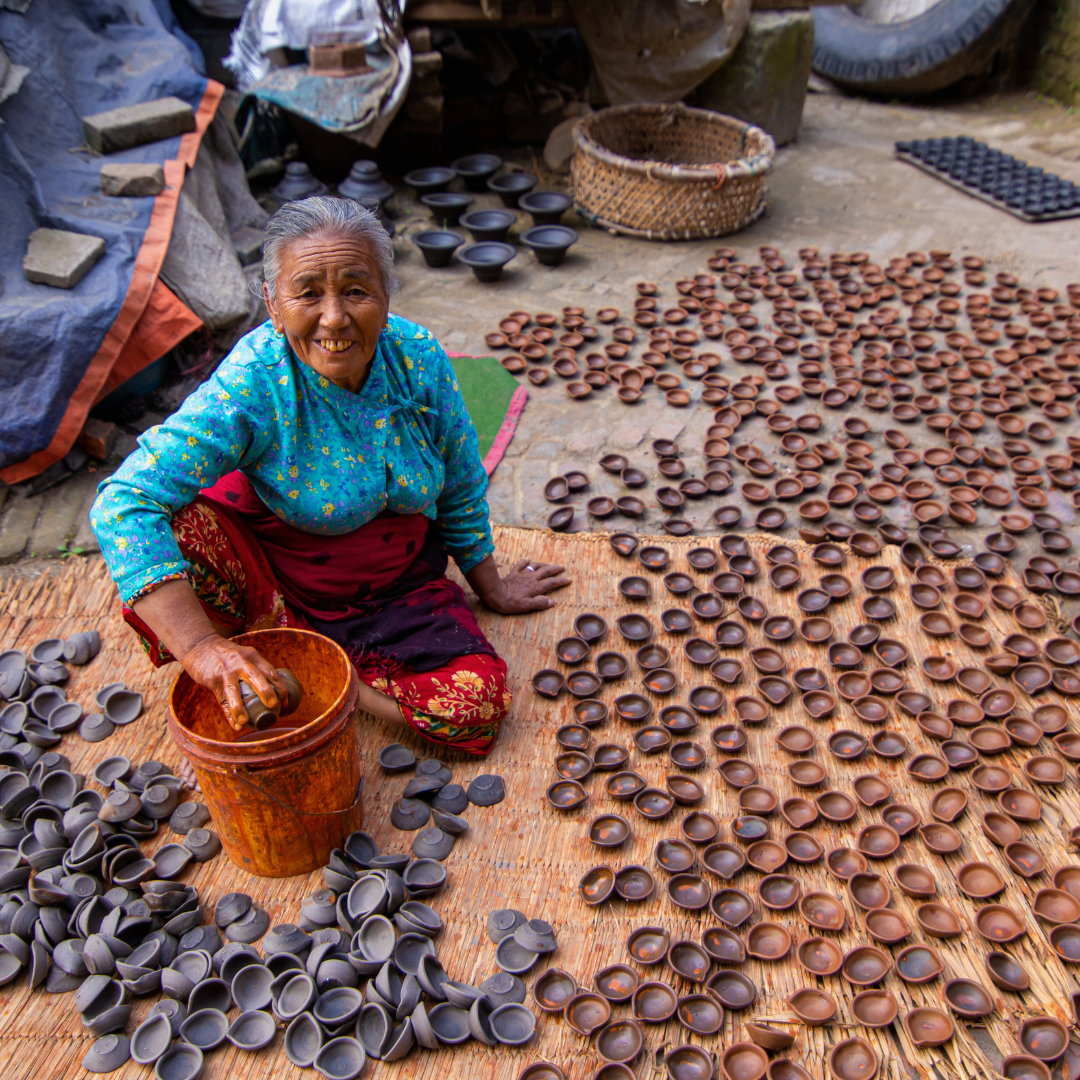 Image 6 of 6
-
Community Engagement
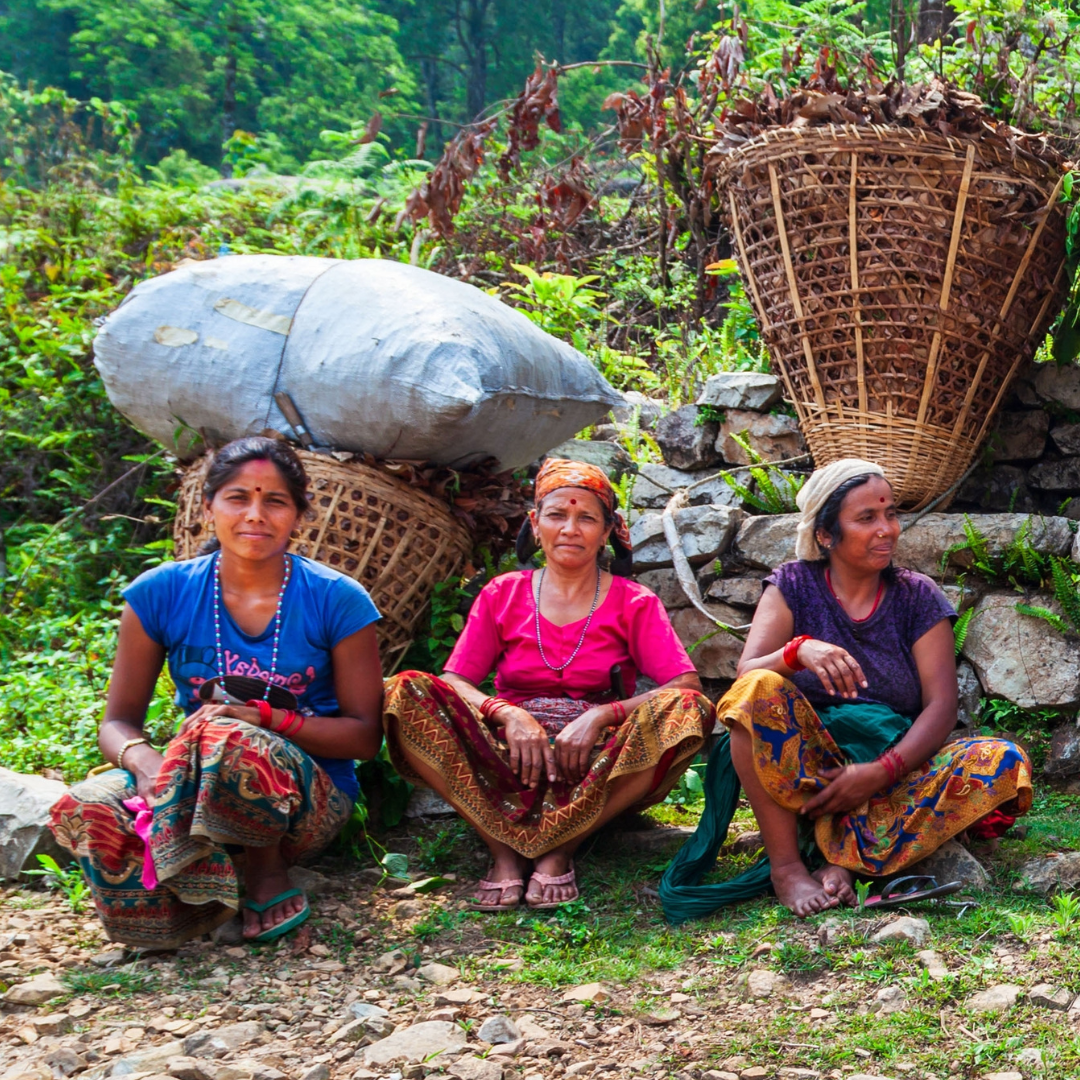
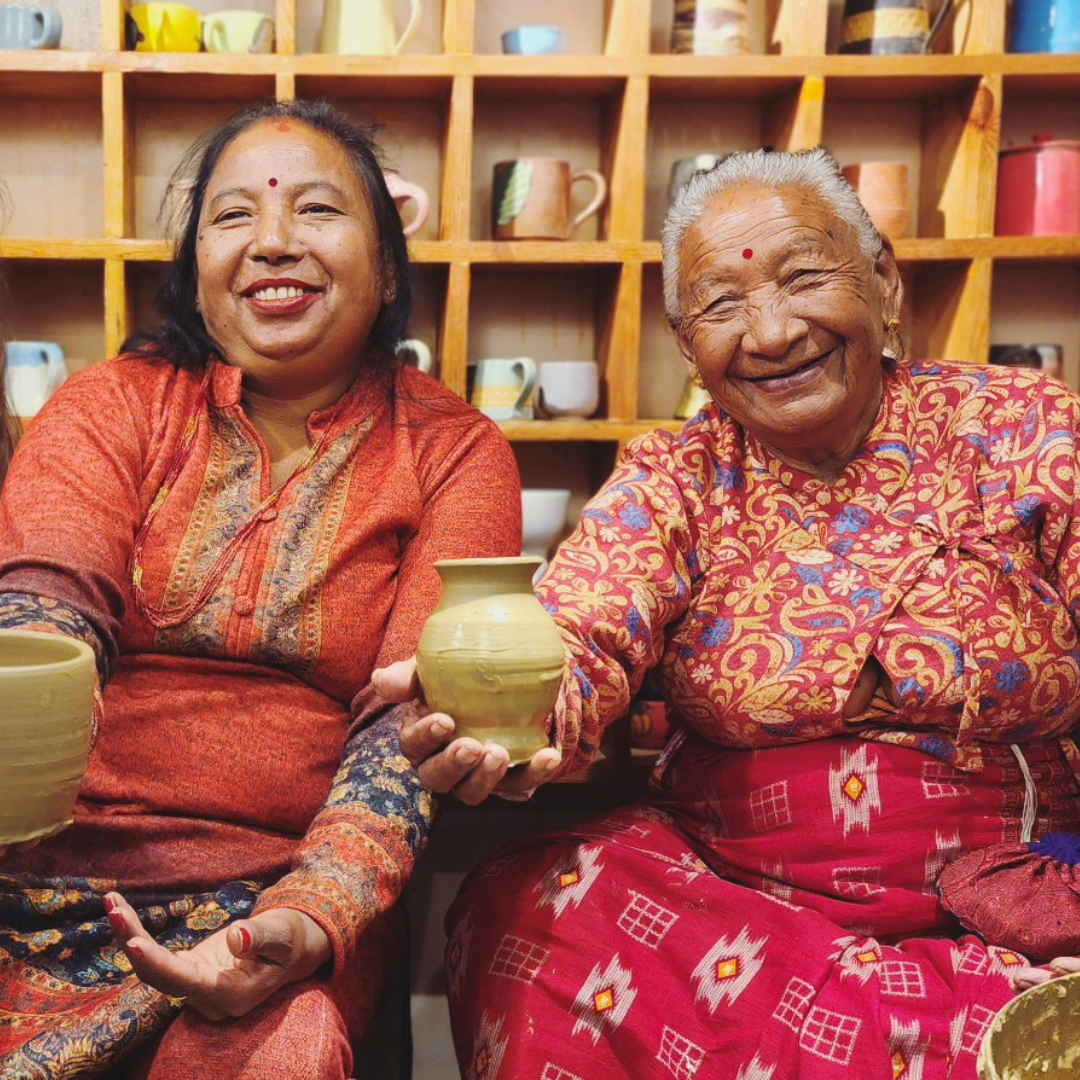
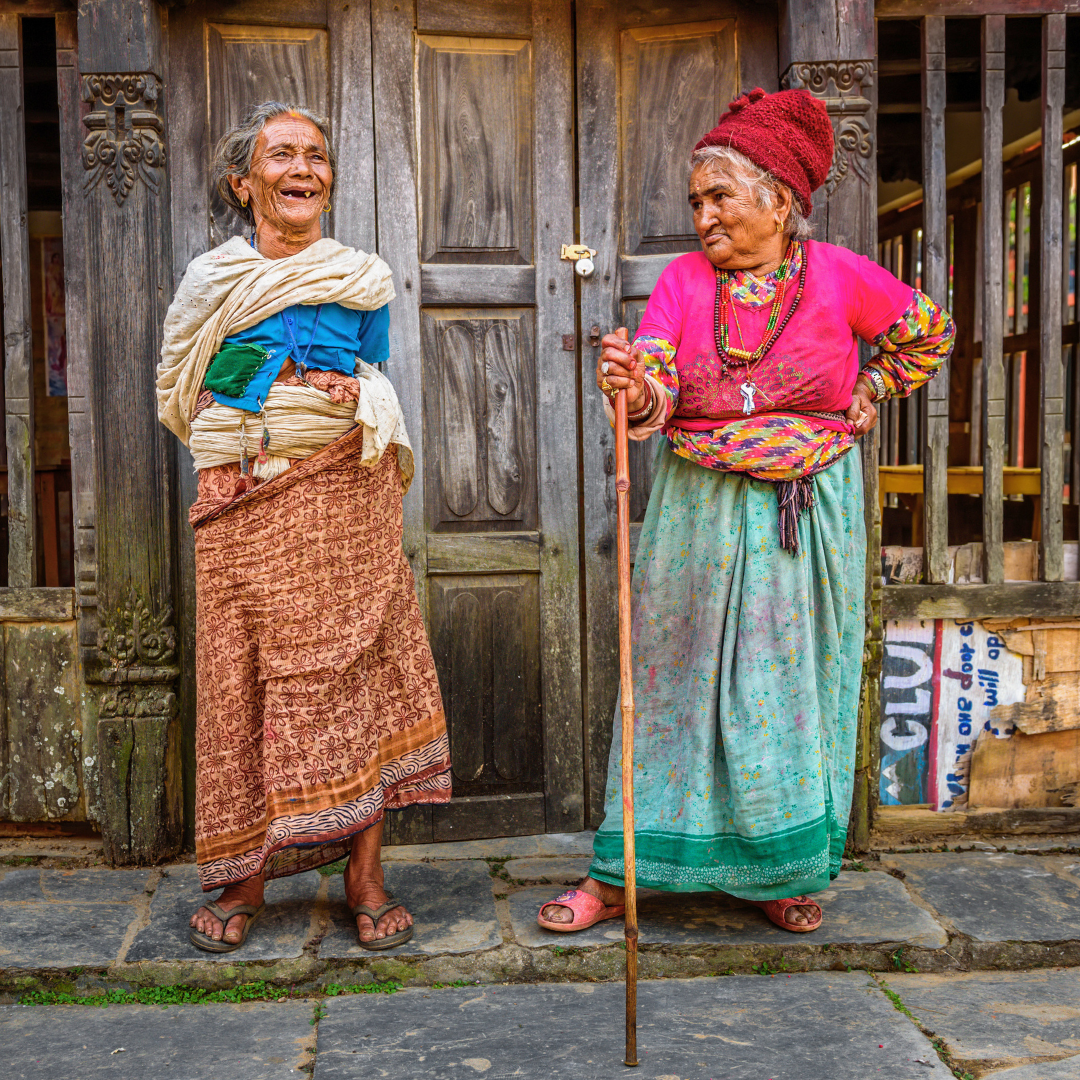
Meet the women behind Nepal's living traditions. Try pottery with local artisans in Bhaktapur, visit female-led projects in Pokhara and Chitwan, and meet farmers growing organic Himalayan coffee. These personal encounters take you beyond sightseeing while supporting local skills, livelihoods and community initiatives.
-
Incredible Culture
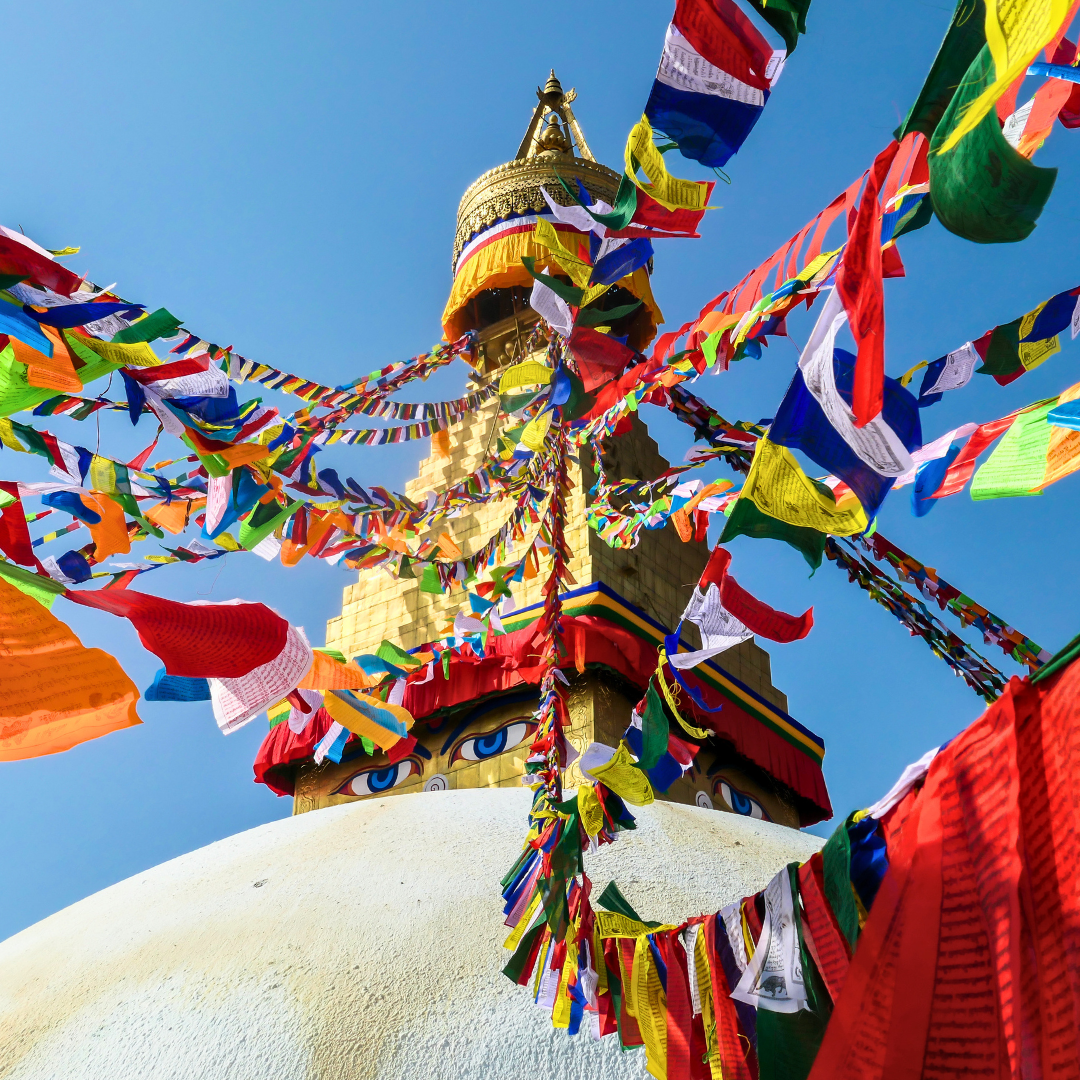
Experience the spiritual and cultural traditions of Nepal at close range, from a Buddhist prayer ceremony and kora walk at Boudhanath, Kathmandu's historic markets, Bhaktapur's artisan heritage and Manakamana's evening Aarati. Along the way, discover Tibetan culture, sacred temples and centuries-old customs.
-
Festival Of Lights
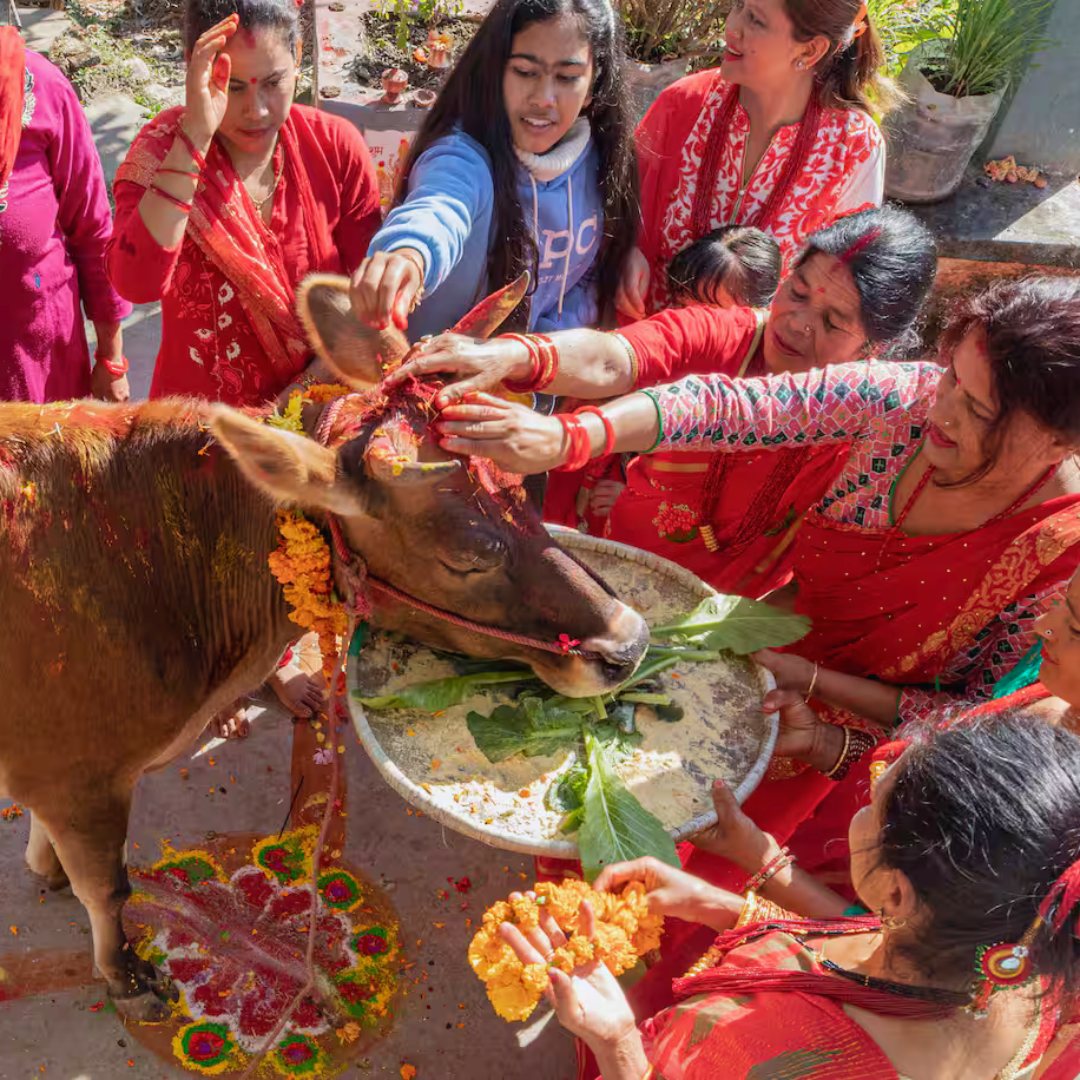
Travel during Tihar, Nepal's five-day Festival of Lights, and experience the celebrations as they unfold around you. See dogs honoured with marigold garlands during Kukur Tihar, join a Gurung family on Laxmi Puja and watch thousands of oil lamps illuminate the Pokhara Valley from Sarangkot after dark.
Nepal Small Group Tour Itinerary
-
Welcome to Nepal! Our journey begins in Kathmandu, Nepal’s vibrant capital, where ancient temples, bustling streets and centuries-old traditions offer our first glimpse into life in the Himalayas.
Upon arrival at Tribhuvan International Airport, we are warmly welcomed by our local representative and transferred to our hotel in Bouddha, a vibrant Buddhist neighbourhood around 7km northeast of central Kathmandu. Home to Boudhanath Stupa and a large Tibetan community, Bouddha is one of the city’s most important centres of Buddhist culture. After checking in, there is time to settle into our surroundings and relax following the international journey.
In the late afternoon, we walk to a peaceful Buddhist monastery located beside our hotel, where we have the opportunity to join resident monks for a traditional puja, or prayer ceremony. Taking place between 4:00pm and 5:00pm, the ceremony offers a fascinating introduction to Buddhist practice as we listen to rhythmic chanting and observe the prayer instruments and rituals that have been passed down through generations.
After the ceremony, we take a short walk to Boudhanath Stupa, one of Nepal’s most sacred Buddhist sites and part of the Kathmandu Valley UNESCO World Heritage listing. Dominating the surrounding neighbourhood with its enormous white dome and watchful painted eyes, Boudhanath has drawn Buddhist pilgrims from across the Himalayas for centuries. We join monks, pilgrims and local devotees walking clockwise around the stupa on the traditional kora, passing prayer wheels, monasteries and small shops along the way. Before returning to our hotel, we light a traditional butter lamp, a symbolic offering associated with compassion, peace and wellbeing.
This evening, we enjoy a special dinner at our hotel accompanied by a resident monk. Over dinner, there is an opportunity for conversation, questions and insights into Buddhist philosophy and monastic life in Nepal. It is a personal and thoughtful introduction to the spiritual traditions we will encounter throughout our journey and a memorable way to spend our first evening together in Nepal.
🥘 Dinner
🛏️ Shambaling Boutique Hotel, BouddhaSettle in for two nights at Shambaling Boutique Hotel in Bouddha, Kathmandu’s vibrant Buddhist quarter and home to the magnificent Boudhanath Stupa. Inspired by Tibetan design and culture, the boutique hotel offers comfortable rooms and a peaceful base within easy walking distance of one of Nepal’s most important spiritual sites.
-
After breakfast, we begin our first full day in Kathmandu with a visit to Swayambhunath Stupa, one of Nepal’s oldest and most sacred Buddhist sites. Perched high above the Kathmandu Valley, the complex has origins stretching back more than 2,000 years and remains an important place of worship for Buddhists and Hindus.
According to Buddhist tradition, the Kathmandu Valley was once a vast lake, with a sacred lotus growing where Swayambhunath now stands. We climb 365 stone steps to reach the great white stupa, accompanied by the monkeys that have earned the site its nickname, the “Monkey Temple”. At the summit, we explore prayer wheels, shrines and temples while enjoying sweeping views across Kathmandu.
We then continue into the historic heart of the city, travelling by traditional rickshaw through Kathmandu’s lively old quarters. Passing spice merchants, vegetable stalls, small temples and traditional houses, we arrive at Ason Market, one of the city’s oldest marketplaces. Once an important stop on trading routes between Tibet and India, its narrow streets remain packed with vendors selling spices, grains, produce and religious offerings.
Continuing on foot, we reach Kathmandu Durbar Square, part of the Kathmandu Valley UNESCO World Heritage listing and the city’s former royal centre. We explore its palaces, courtyards and intricately carved temples, including Hanuman Dhoka, temples dedicated to Shiva and Parvati and the imposing stone figure of Kala Bhairav.
We also visit Kumari Ghar, home to Kathmandu’s Kumari, or Living Goddess. Selected as a young girl from the Newar Buddhist community, the Kumari is worshipped as the living embodiment of the goddess Taleju. If timing allows, we may see her briefly appear at one of the palace windows, traditionally considered an auspicious blessing.
Returning to Bouddha this evening, we take part in a traditional singing bowl session. Hand-hammered metal bowls are gently struck and circled to create layers of resonant sound and vibration, offering a calming way to unwind after a full day exploring Kathmandu. Dinner is served at our hotel this evening.
🥘 Breakfast, Lunch, Dinner
🛏️ Shambaling Boutique Hotel, BouddhaSpend a second night at Shambaling Boutique Hotel in Bouddha, with Boudhanath Stupa and the monasteries, cafés and streets of Kathmandu’s Buddhist quarter just a short walk away.
-
After breakfast, we leave Kathmandu behind and make the short 30-minute drive to Bhaktapur, one of the best-preserved historic cities in the Kathmandu Valley. Once a powerful royal capital during the Malla period, Bhaktapur remains a centre of Newar culture, where temples, traditional craftsmanship and centuries-old customs continue to form part of everyday life.
We explore the old city on foot, following brick-paved streets past intricately carved wooden houses, hidden courtyards and temple squares. Along the way, we stop to sample some of Bhaktapur’s local specialities, including Juju Dhau, or “King of Yogurt”, a rich and creamy yoghurt traditionally made in clay pots and considered a local delicacy.
One of today’s highlights is a visit to Sikami Chhen, a traditional heritage home belonging to a local Newari family of master woodcarvers. Generations of the family have practised the intricate craft seen across the Kathmandu Valley, creating the carved windows, doors and decorative details that are such a distinctive feature of Newari architecture. Welcomed into the family home, we spend time learning about their lives, traditions and craftsmanship before joining our hosts in the kitchen for a hands-on Nepali cooking experience.
Later this afternoon, we walk to Bhaktapur’s Pottery Square, where local artisans continue a craft that has been part of the city for centuries. Clay pots and vessels line the square to dry while potters work at traditional spinning wheels nearby. With guidance from a local potter, we try shaping our own small piece from clay, getting a hands-on introduction to one of Bhaktapur’s best-known artisan traditions. As the afternoon draws to a close, we make our way to our hotel in Bhaktapur. After checking in, the remainder of the evening is ours to relax before enjoying dinner together.
🥘 Breakfast, Lunch, Dinner
🛏️ Vajra Boutique Hotel, BhaktapurSettle in at Vajra Boutique Hotel in historic Bhaktapur, where traditional Newari design and craftsmanship are reflected throughout the property. Its location within the old city provides a comfortable base surrounded by the temples, courtyards and brick-paved streets we have spent the day exploring.
-
After breakfast, we leave Bhaktapur and the Kathmandu Valley behind, beginning our journey west towards Manakamana. The five-hour drive takes us through Nepal’s countryside, following winding mountain roads past terraced farmland, forested hills and small roadside villages. For part of our journey, we travel alongside the Trishuli River, one of Nepal’s major Himalayan rivers as it winds through the valleys towards the plains of India.
Arriving at the Manakamana Cable Car, we board for the journey high above the river valley and forested hillsides. The cable car is an important part of one of Nepal’s best-known pilgrimage routes, carrying visitors up the mountainside towards Manakamana Temple while offering wonderful views across the surrounding hills, villages and terraced fields.
At the top, we visit Manakamana Temple, dedicated to the Hindu goddess Bhagwati and known throughout Nepal as the home of the “wish-fulfilling goddess”. Pilgrims have travelled here for centuries to make offerings and pray for their wishes to be granted. We explore the temple area and surrounding village, observing pilgrims carrying flowers and incense as they make their way to worship.
We then check in to our nearby hotel and enjoy lunch, with the afternoon free to relax and enjoy the hilltop surroundings. Around sunset, we return to the temple area to observe the evening Aarati ceremony. Priests perform this traditional ritual of light and devotion as pilgrims gather to pray, accompanied by chanting, bells and the glow of oil lamps. Afterwards, we return to our hotel for dinner.
🥘 Breakfast, Lunch, Dinner
🛏️ Manakamana Hillcrest Resort, ManakamanaSpend the night at Manakamana Hillcrest Resort, surrounded by the green hills of Nepal’s central region. Located close to the Manakamana Temple and cable car, the resort provides a comfortable place to relax after our journey from the Kathmandu Valley.
-
After breakfast, we leave Manakamana and begin the approximately three-hour, 96km journey west to Pokhara. Travelling deeper into the Himalayan foothills, we pass terraced farmland, green valleys and rural settlements, following sections of the Marshyangdi and Seti river valleys as the landscape gradually opens towards Pokhara.
Arriving in this relaxed lakeside city, we find ourselves beneath the mountains of the Annapurna range and beside beautiful Phewa Lake. We check in to our hotel and have time to freshen up before enjoying lunch.
This afternoon, we visit one of Pokhara’s Tibetan refugee settlements, established by Tibetan families who arrived in Nepal following displacement from their homeland. We learn how the community has maintained its cultural traditions through Buddhism, art and craftsmanship, including the creation of hand-knotted carpets and intricate Thangka paintings. We also visit a nearby Tibetan monastery, where prayer wheels and colourful Buddhist murals offer another insight into the community’s spiritual traditions.
We then continue to Yes Helping Hands, a local social initiative providing skills training and livelihood opportunities for women and people with disabilities. Our visit offers an insight into community-led development and the work being done to create sustainable employment opportunities in Pokhara.
Later this afternoon, there is free time to explore Pokhara’s lively Lakeside district. Browse local handicraft shops, stop at one of the cafés overlooking Phewa Lake or enjoy a walk along the waterfront. With Tihar celebrations now underway, marigold garlands and colourful decorations are appearing outside shops, homes and businesses throughout the city.
As dusk falls, traditional oil lamps begin to illuminate homes and businesses around Pokhara. We gather this evening for dinner at a local restaurant, enjoying our first night in the city as the Festival of Lights begins around us.
🥘 Breakfast, Lunch, Dinner
🛏️ Fishtail Lodge, PokharaSettle in at Fishtail Lodge, a peaceful retreat overlooking Phewa Lake and the surrounding mountains. Reached by a short boat ride across the lake, the lodge combines beautiful gardens and mountain views with easy access to Pokhara’s lively Lakeside district.
Kaag Tihar - Crow Day
Today marks Kaag Tihar, the first day of Nepal’s five-day Tihar Festival, also known as the Festival of Lights. In Hindu tradition, crows are regarded as sacred messengers associated with communication between the earthly and spiritual worlds. Families leave offerings of rice, grains, fruit and sweets for crows as a gesture of respect and in the hope of protection and good fortune.
Kaag Tihar begins five days in which animals, deities and important family relationships are honoured in turn. As we travel from Manakamana to Pokhara today, look out for preparations gathering pace in villages and roadside markets, with marigold garlands, clay oil lamps known as diyo, colourful decorations and seasonal sweets appearing along the way. It is our first glimpse of Tihar before the celebrations build over the coming days.
-
After breakfast, we set out to discover more of Pokhara, beginning with a leisurely boat ride across Phewa Lake. Surrounded by green hills and, on clear days, views towards the snow-capped Annapurna Range, the lake sits at the heart of the city and offers a beautiful perspective of Pokhara from the water.
Our boat takes us to Tal Barahi Temple, a two-storey pagoda situated on a small island in the middle of the lake. Dedicated to the Hindu goddess Barahi, the temple is one of Pokhara’s most important pilgrimage sites, with worshippers crossing the lake to make offerings and seek blessings. After exploring the island, we return by boat to the lakeshore.
Later, we swap the water for two wheels as we head towards the countryside of Pame, following a scenic route along the shores of Phewa Lake. Choose to travel by bicycle or, for those who prefer, by scooter, passing lakeside villages, terraced fields and rural landscapes with views across the lake towards the surrounding mountains. We stop along the way for lunch at a local restaurant before making our way back to Pokhara. Guests choosing to ride a scooter will need to carry a valid driving licence.
Returning in the late afternoon, the remainder of the day is free to enjoy at our own pace. Relax at a lakeside café, browse Pokhara’s handicraft shops or simply wander through the Lakeside district as the Tihar celebrations continue around us. As evening approaches, homes, temples and businesses begin to glow with traditional oil lamps and festive decorations before we gather for dinner.
🥘 Breakfast, Lunch, Dinner
🛏️ Fishtail Lodge, PokharaSpend a second night at Fishtail Lodge, enjoying its peaceful setting beside Phewa Lake and views towards the surrounding hills and mountains. Pokhara’s restaurants, shops and lively Lakeside district remain within easy reach.
Kukur Tihar - Dog Day
Today is Kukur Tihar, the second day of the Tihar Festival and one of Nepal’s most beloved traditions. Dogs are honoured for their loyalty, companionship and protection and, in Hindu mythology, are associated with Yama, the God of Death. Families place colourful flower garlands around their dogs’ necks, apply a sacred tika to their foreheads and offer them special food and treats as a gesture of gratitude.
The tradition extends beyond household pets, with community and street dogs also honoured throughout the day. As we explore Pokhara, look out for dogs proudly wearing marigold garlands and colourful tika in neighbourhoods, markets and around the Lakeside district. With guidance from our local team, there may also be opportunities to respectfully observe families performing these special rituals as Kukur Tihar unfolds around the city.
-
After breakfast, we leave Pokhara for the approximately one-hour drive to Hemjakot, a traditional Gurung village in the hills above the Pokhara Valley. The Gurung are one of Nepal’s many distinct ethnic communities, with their own cultural traditions and a long association with the famous Gurkha regiments.
Reaching the roadhead, we begin a gentle 30-45-minute walk into the village, following hillside trails through terraced farmland and past traditional stone houses and fields of millet, maize and seasonal vegetables. On arrival, we are welcomed by members of the local community and spend time exploring Hemjakot with our guide, visiting family homes and learning about traditional farming practices and daily life in rural Nepal.
A highlight of our visit is a hands-on cooking experience with a local Gurung family. Working alongside our hosts, we prepare a traditional home-cooked meal using fresh local ingredients. We learn to make dishes such as dal bhat, Nepal’s staple combination of rice, lentil soup, vegetables and pickles, as well as sel roti, a distinctive ring-shaped rice bread traditionally prepared for festivals and family celebrations. We then sit down together to enjoy what we have prepared for lunch.
This afternoon, we continue to Sarangkot Mountain Lodge, perched high above the Pokhara Valley with wonderful views towards the Annapurna Range. The remainder of the afternoon is free to relax at the lodge, explore the surrounding area or simply enjoy the mountain setting.
As sunset approaches, we gather to watch the changing light across Annapurna, Machhapuchhre (better known as Fishtail Mountain), and the surrounding Himalayan peaks. As darkness falls, the Pokhara Valley below begins to sparkle with thousands of lights as families celebrate Laxmi Puja. We enjoy this special view from our hilltop setting before gathering for dinner at the lodge.
🥘 Breakfast, Lunch, Dinner
🛏️ Sarangkot Mountain Lodge, SarangkotSettle in at Sarangkot Mountain Lodge, high in the hills overlooking the Pokhara Valley. With far-reaching views towards Annapurna and Machhapuchhre, our elevated setting provides a wonderful vantage point for both the Himalayan sunset and tonight’s Tihar celebrations.
Laxmi Puja - Festival of Lights
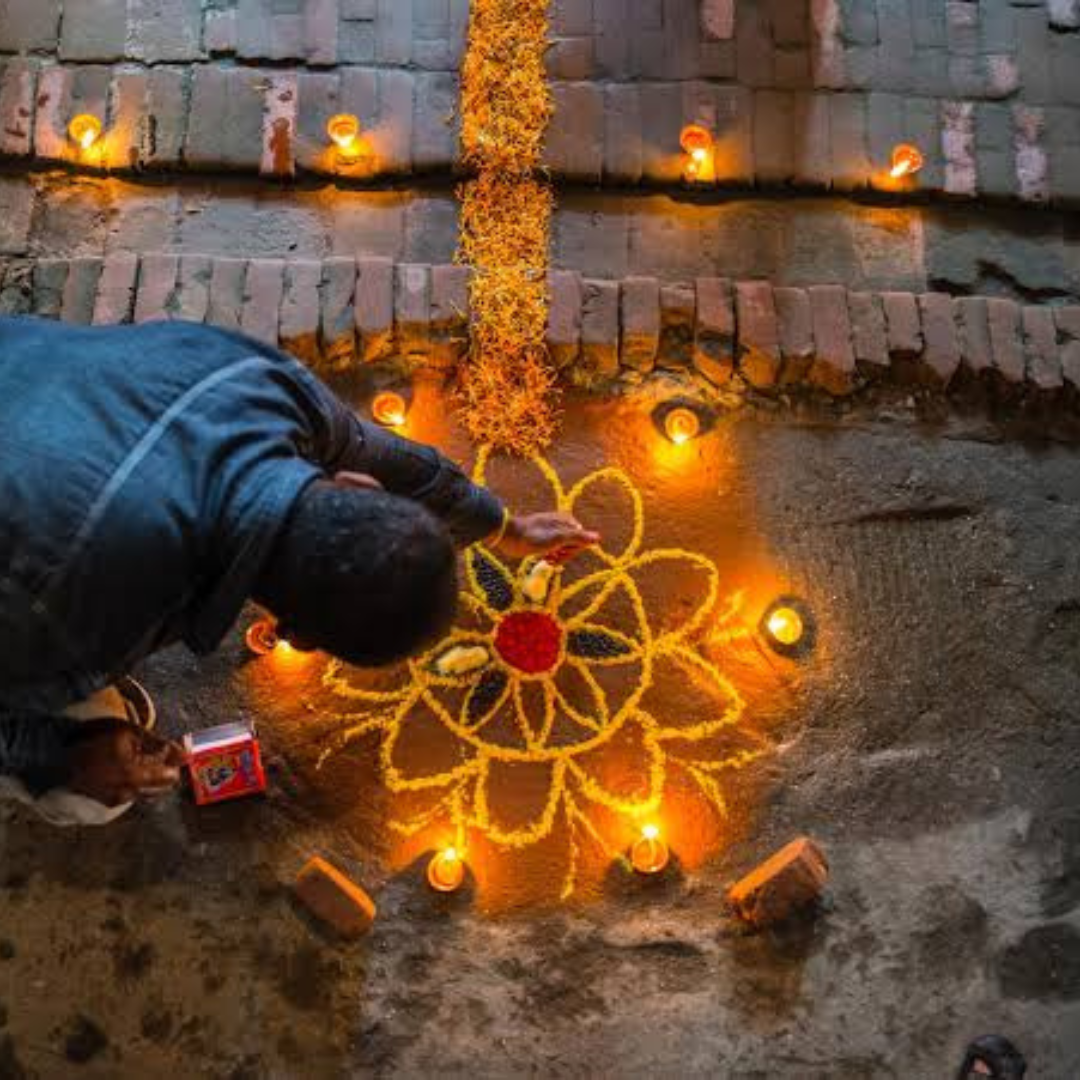
Today marks Laxmi Puja, one of the most important days of Tihar, dedicated to Laxmi, the Hindu goddess of wealth, prosperity and good fortune. Families clean and decorate their homes in preparation for her arrival, creating colourful rangoli designs from powders and flower petals and decorating entrances with marigold garlands. As dusk falls, traditional diyo, candles and colourful lights are illuminated to symbolically guide Laxmi into the home.
During our visit to Hemjakot, we have the opportunity to see families preparing for the evening and learn about festive foods such as sel roti during our cooking experience. Later, our position high above Pokhara gives us a particularly special perspective as the valley becomes illuminated by thousands of lights.
We may also encounter Deusi-Bhailo, a much-loved Tihar tradition in which groups travel from home to home singing, dancing and offering blessings in exchange for hospitality, somewhat similar to Christmas carolling. If the opportunity arises, we may be invited to join in, giving us another wonderful way to experience the celebrations alongside the local community.
-
We begin early this morning with one of the Pokhara region’s most memorable experiences, watching sunrise over the Himalayas from Sarangkot. With a warm cup of coffee in hand, we watch as the first light reaches the Annapurna Massif, gradually illuminating the snow-capped peaks in shades of gold and pink.
After sunrise, we return to our hotel to check out before visiting the Sharing Seeds Organic Arabica Coffee Farming Project, a community initiative working with smallholder farmers from Sarangkot and neighbouring villages to support organic coffee cultivation, women-led livelihoods and sustainable farming. We walk through the coffee-growing area with local farmers, learning how Arabica coffee is cultivated in Nepal’s mountain environment and following its journey from seed to cup.
We continue to the nearby processing centre in Khadkathar Village to see how the beans are pulped, fermented, hand-sorted and sun-dried before finishing with a freshly brewed cup of locally grown organic coffee. Afterwards, we enjoy breakfast before bidding farewell to the mountains and beginning our journey south towards Chitwan.
The four-hour drive takes us from the Himalayan foothills towards the subtropical lowlands of Chitwan. Along the way, the landscape changes dramatically as terraced hills and winding mountain roads give way to rivers, farmland and the broad plains of Nepal’s Terai region.
Arriving at Green Chwadi Nature Retreat, we are welcomed with a drink and light snacks before checking in and settling into our rooms. Located near Chitwan National Park, the community-focused retreat works with surrounding villages to support local livelihoods, women’s empowerment, education and environmental conservation.
Later this afternoon, we visit a nearby Tharu or Darai village to learn about the Indigenous communities that have lived alongside the forests and rivers of Chitwan for generations. Walking through the village, we learn about traditional homes, agriculture, customs and the communities’ relationship with the surrounding environment.
This evening, we enjoy a traditional Tharu cultural performance featuring music, dance and storytelling before sitting down to a dinner showcasing regional dishes prepared with locally sourced ingredients. It is a fitting end to a day that has taken us from the Himalayan peaks to the subtropical plains of southern Nepal.
🥘 Breakfast, Lunch, Dinner
🛏️ Green Chwadi Nature Retreat, ChitwanSettle in at Green Chwadi Nature Retreat near Chitwan National Park, a community-focused property surrounded by the landscapes of Nepal’s Terai. With a strong emphasis on responsible tourism and local livelihoods, our stay offers another opportunity to connect with the communities and environments we encounter along the way. Please note that activities in and around Chitwan may be adjusted according to weather, local conditions and national park regulations.
Mha Puja - Honouring The Self
Today is Mha Puja, a deeply meaningful celebration observed by Nepal’s Newar community during Tihar. Mha means “self”, and unlike many religious celebrations centred around deities or family relationships, Mha Puja honours one’s own body, mind and spirit and expresses gratitude for life.
Traditionally celebrated within Newar family homes, individual mandalas are created using coloured powders, flowers, grains and oil lamps. Family members sit before their own mandala and receive blessings for health, happiness, prosperity and longevity in the year ahead. While this is a more private celebration than the Tihar traditions we have witnessed over recent days, our guide will explain its customs and symbolism as we continue our journey through Nepal.
-
After breakfast at our retreat, we set out on a half-day jeep safari through the forests and grasslands of Chitwan. Accompanied by experienced naturalists, we explore sal forests, open grasslands and riverine habitats that support an extraordinary variety of wildlife.
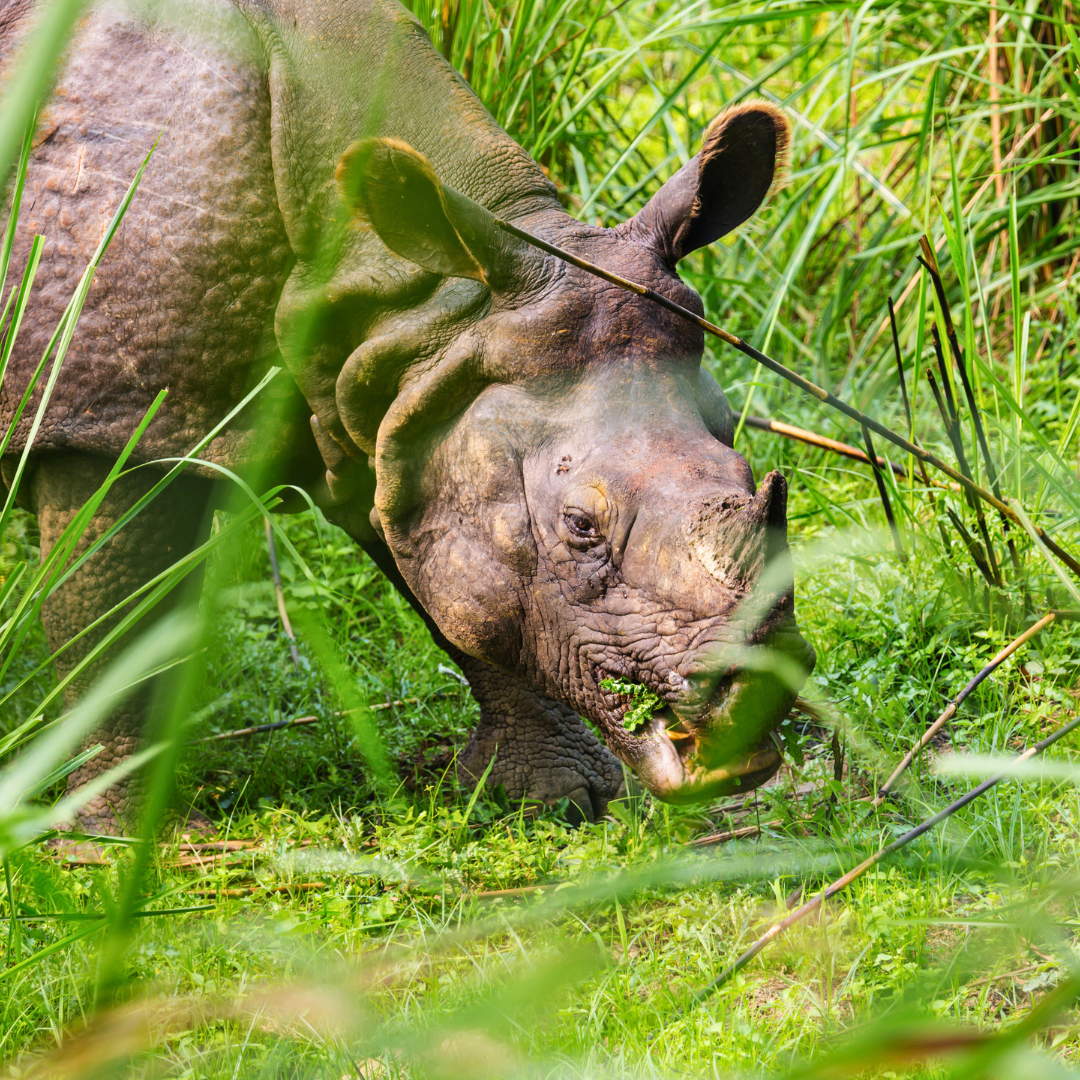
As we travel through the reserve, we keep watch for Chitwan’s famous greater one-horned rhinoceros, along with deer, langur monkeys, wild boar and abundant birdlife. The forests are also home to the elusive Royal Bengal tiger and, while sightings are rare, there is always the possibility of encountering one as we explore. After our morning safari, we return to the retreat for lunch.
This afternoon, we turn our attention to local craftsmanship with a visit to a Dhaka weaving initiative led by Tharu women. Dhaka is a traditional handwoven textile recognised for its intricate patterns and cultural importance in Nepal. We meet the women behind the initiative, hear about the skills passed between generations and learn how weaving provides a sustainable source of income within the community.
Watching the women work at traditional handlooms, we see the patience and coordination required to create the detailed designs before having an opportunity to try weaving ourselves. There is also time to browse handmade shawls, scarves and textiles, with purchases directly supporting the women and their work.
As the afternoon draws to a close, we head to the river for a sunset boat ride. Travelling quietly along the water as the evening light settles over the surrounding jungle, we experience another side of Chitwan’s riverine landscape before returning to our retreat for dinner.
🥘 Breakfast, Lunch, Dinner
🛏️ Green Chwadi Nature Retreat, ChitwanSpend a second night at Green Chwadi Nature Retreat, surrounded by the rural landscapes and communities of the Terai. After a day exploring Chitwan’s wildlife, waterways and traditional crafts, we return to the retreat for a relaxed evening and dinner. Please note that activities in and around Chitwan may be adjusted according to weather, local conditions and national park regulations.
Bhai Tika - Celebrating Brothers & Sisters
Today marks Bhai Tika, the fifth and final day of Tihar and a celebration of the bond between brothers and sisters. Sisters traditionally apply a colourful seven-coloured Saptarangi Tika to their brothers’ foreheads, place flower garlands around their necks and offer prayers and blessings for health, happiness and a long life. Brothers give gifts in return and traditionally promise to protect and support their sisters.
As we travel through Chitwan today, we may see families gathering together, people dressed for the occasion and the distinctive colourful tika worn as celebrations take place in homes and communities. Bhai Tika brings our experience of Nepal’s five-day Festival of Lights to a close after witnessing its different traditions unfold throughout our journey.
-
After breakfast, we check out of our retreat and bid farewell to Chitwan, transferring to Bharatpur Airport for our short domestic flight back to Kathmandu. The approximately 25-minute flight takes us above the Terai plains and rolling hills, with views of winding rivers and, on a clear day, the distant Himalayan peaks before we descend into the Kathmandu Valley.
Upon arrival at Tribhuvan Domestic Airport, we are met by our guide and transferred to our hotel in Thamel. While we began our journey in the Buddhist neighbourhood of Bouddha, our final stay introduces us to a very different side of Kathmandu. Thamel is the lively heart of the city’s visitor district, with narrow streets filled with handicraft shops, cafés, bookstores, galleries and restaurants.
After checking in, the remainder of the afternoon is free to explore at our own pace. Wander the surrounding streets in search of handmade souvenirs, pashmina shawls, jewellery, singing bowls and traditional Nepali handicrafts or find a rooftop café and simply watch the activity of Kathmandu unfold below.
This evening, we come together for a special farewell experience and a celebration of our journey through Nepal. Before dinner, we have the opportunity to dress in a traditional saree, with local assistance provided to help with draping and styling. It is a fun opportunity to learn more about a garment worn across Nepal and South Asia and to dress up for our final evening together.
Dressed for the occasion, we gather for our Farewell Dinner and reflect on the experiences we have shared over the past ten days, from Buddhist monasteries and village kitchens to Himalayan sunrises, Tihar celebrations and the wildlife of Chitwan. It is a wonderful opportunity to celebrate the friendships formed along the way and our final evening together in Nepal.
🥘 Breakfast, Lunch, Dinner
🛏️ Hotel Thamel House, KathmanduSpend our final night at Hotel Thamel House in the heart of Kathmandu’s lively Thamel district. Set within a restored traditional Newari residence, the hotel places us within easy walking distance of the neighbourhood’s shops, restaurants and colourful streets.
-
After a final breakfast at our hotel, it is time to say goodbye to Nepal. At the appropriate time, we transfer to Tribhuvan International Airport for our onward journey.
Over the past eleven days, we have experienced Nepal in many different ways, from the temples and historic streets of the Kathmandu Valley to Gurung village life, Himalayan sunrises, the Tihar Festival and the forests and communities of Chitwan. Along the way, we have cooked with local families, met artisans and community initiatives and shared experiences that have taken us well beyond Nepal’s best-known sights.
As our journey comes to an end, we say farewell to our fellow travellers and local team and take with us many wonderful memories of the people and places we have encountered along the way. Namaste.
🥘 Breakfast
Special Interest Tours With Remarkable East
Remarkable East creates small group journeys designed for travellers who want depth, character and insight rather than crowded sightseeing. Each itinerary is shaped around culture, history, food and meaningful encounters, with a maximum of 12 guests and guides who know the region intimately. The pace is steady, the hotels are selected for comfort and location, and the experiences are planned to feel personal, not packaged.
Our tours run on set dates through the year across Japan, Vietnam, India and Sri Lanka, with additional one-off special interest departures offered for travellers seeking something more focused. Many guests return for a second or third journey with us as they value the balance of structure and flexibility, the quality of leadership and the ease of travelling in a small group. If you are considering a future trip and want to talk through your options, you’re welcome to book a call. We can walk you through destinations, dates and availability.
-
Private airport transfers on arrival and departure
10 nights accommodation in carefully selected hotels, lodges and retreats throughout Nepal
10 breakfasts, 9 lunches and 10 dinners as specified in the itinerary
All ground transport and sightseeing as outlined in the itinerary by private air-conditioned vehicle
Domestic flight from Bharatpur (Chitwan) to Kathmandu with 25kg of checked luggage and 5kg of carry on
Professional licensed English-speaking accompanying guide throughout the journey
Buddhist monastery prayer ceremony, Boudhanath Stupa Kora walk and special dinner with a resident monk
Guided sightseeing in Kathmandu, including Swayambhunath Stupa, a traditional rickshaw ride through the historic markets and Kathmandu Durbar Square
Healing Bowl Therapy experience in Kathmandu
Guided exploration of Bhaktapur, including local food tastings, a visit to a UNESCO-recognised Newari artisan family home, traditional cooking experience and hands-on pottery workshop
Manakamana Cable Car journey, visit to Manakamana Temple and evening Aarati ceremony
Tihar Festival of Lights experiences throughout the journey, including opportunities to experience Kaag Tihar, Kukur Tihar, Laxmi Puja, Mha Puja and Bhai Tika celebrations
Visit to a Tibetan refugee community and monastery in Pokhara, including traditional arts and handicrafts
Visit to Yes Helping Hands, a local initiative supporting women and differently abled people through skills development and livelihood programs
Boat ride on Phewa Lake and visit to Tal Barahi Temple
Cycling tour through the Pokhara countryside towards Pame, with scooter option available for licensed participants
Guided visit to Hemjakot village, including a traditional cooking experience and lunch with a Gurung family
Sunset and sunrise experiences at Sarangkot overlooking the Annapurna Himalayas
Visit to the Sharing Seeds Organic Arabica Coffee Farming Project, including the coffee farm, processing centre and locally grown coffee tasting
Cultural experiences in Chitwan, including a Tharu or Darai village visit, traditional cultural performance and regional Tharu dining experience
Half-day jeep safari in Chitwan National Park accompanied by experienced naturalists
Visit to a women-led Dhaka weaving initiative in Chitwan, including the opportunity to try traditional handloom weaving
Canoeing and river experiences in Chitwan
Special farewell dinner in Kathmandu with a traditional Nepali attire experience
All entrance fees, national park permits, conservation fees, government taxes and service charges as outlined in the itinerary
Gratuities for guides, drivers and lodge staff
-
International airfares
Nepal visa fees
Meals not specified in the itinerary
Alcoholic beverages, soft drinks and other beverages not included with meals
Optional activities, sightseeing and wellness or spa treatments not specified in the itinerary
Travel insurance (strongly recommended)
Personal expenses including beverages, laundry, telephone calls and spa treatments
Excess baggage charges
Additional road transport or flight costs if a guest returns earlier than scheduled
Additional costs arising from flight delays, cancellations, weather conditions, natural events or road blockages, including extra accommodation, meals, alternative transport and rebooking fees
Any items or services not specifically listed in the inclusions
Nepal Tour Key Information
-
At Remarkable East, we believe small group touring should be just that: small.
As such, the group size will be capped at a maximum of 12 people, ensuring a more intimate and personalized experience.
This way, we’re able to get around with ease, utilise local transport and visit more off-the-beaten-track destinations. Our Nepal small group tours are a great opportunity to connect with like-minded travellers, and you may even leave with lifelong friendships. -
With a maximum of 12 guests per tour, standard inclusions are:
Private airport transfers on arrival and departure
10 nights accommodation in carefully selected hotels, lodges and retreats throughout Nepal
10 breakfasts, 9 lunches and 10 dinners as specified in the itinerary
All ground transport and sightseeing as outlined in the itinerary by private air-conditioned vehicle
Domestic flight from Bharatpur (Chitwan) to Kathmandu with 25kg of checked luggage and 5kg of carry on
Professional licensed English-speaking accompanying guide throughout the journey
Buddhist monastery prayer ceremony, Boudhanath Stupa Kora walk and special dinner with a resident monk
Guided sightseeing in Kathmandu, including Swayambhunath Stupa, a traditional rickshaw ride through the historic markets and Kathmandu Durbar Square
Healing Bowl Therapy experience in Kathmandu
Guided exploration of Bhaktapur, including local food tastings, a visit to a UNESCO-recognised Newari artisan family home, traditional cooking experience and hands-on pottery workshop
Manakamana Cable Car journey, visit to Manakamana Temple and evening Aarati ceremony
Tihar Festival of Lights experiences throughout the journey, including opportunities to experience Kaag Tihar, Kukur Tihar, Laxmi Puja, Mha Puja and Bhai Tika celebrations
Visit to a Tibetan refugee community and monastery in Pokhara, including traditional arts and handicrafts
Visit to Yes Helping Hands, a local initiative supporting women and differently abled people through skills development and livelihood programs
Boat ride on Phewa Lake and visit to Tal Barahi Temple
Cycling tour through the Pokhara countryside towards Pame, with scooter option available for licensed participants
Guided visit to Hemjakot village, including a traditional cooking experience and lunch with a Gurung family
Sunset and sunrise experiences at Sarangkot overlooking the Annapurna Himalayas
Visit to the Sharing Seeds Organic Arabica Coffee Farming Project, including the coffee farm, processing centre and locally grown coffee tasting
Cultural experiences in Chitwan, including a Tharu or Darai village visit, traditional cultural performance and regional Tharu dining experience
Half-day jeep safari in Chitwan National Park accompanied by experienced naturalists
Visit to a women-led Dhaka weaving initiative in Chitwan, including the opportunity to try traditional handloom weaving
Canoeing and river experiences in Chitwan
Special farewell dinner in Kathmandu with a traditional Nepali attire experience
All entrance fees, national park permits, conservation fees, government taxes and service charges as outlined in the itinerary
Gratuities for guides, drivers and lodge staff
-
The following expenses are not included in the tour price and are the responsibility of each traveller:
International airfares
Nepal visa fees
Meals not specified in the itinerary
Alcoholic beverages, soft drinks and other beverages not included with meals
Optional activities, sightseeing and wellness or spa treatments not specified in the itinerary
Travel insurance (strongly recommended)
Personal expenses including beverages, laundry, telephone calls and spa treatments
Excess baggage charges
Additional road transport or flight costs if a guest returns earlier than scheduled
Additional costs arising from flight delays, cancellations, weather conditions, natural events or road blockages, including extra accommodation, meals, alternative transport and rebooking fees
Any items or services not specifically listed in the inclusions
Australian passport holders require a visa to enter Nepal. Tourist visas are available on arrival at Tribhuvan International Airport in Kathmandu, with 15, 30 and 90-day options. Travellers can complete the online Tourist Visa form before arrival or use the airport kiosks, then pay the applicable visa fee and present their passport and application receipt at immigration. Entry requirements are subject to change and travellers should check the latest Australian Government travel advice and Nepal Department of Immigration requirements before departure.
The tour includes a domestic flight from Bharatpur (Chitwan) to Kathmandu. To ensure the flight and other arrangements can be issued correctly, passenger names must be provided exactly as they appear on the traveller's passport. Any fees incurred as a result of incorrect passenger details, expired passports, excess baggage or invalid travel documentation will be the responsibility of the traveller. Travellers should ensure their passport has sufficient validity for their journey, with at least six months validity recommended when travelling internationally.
-
To make a booking, we simply require a deposit of $750 AUD with the balance due 60 days prior to travel. Full payment is due at the time of booking for departures within 60 days. Please get in touch with us for more information.
-
While not considered strenuous, this tour requires a moderate level of fitness and is best suited to travellers who are comfortable with a combination of sightseeing, cultural experiences, village visits and walking. Participants must be able to:
Walk independently without assistance
Board and disembark vehicles, boats, cable cars and the domestic flight
Walk up and down stairs, including the 365 steps at Swayambhunath Stupa
Navigate uneven streets, temple grounds, village paths and natural walking trails
Participate in sightseeing that may involve extended periods of walking and standing
Complete a gentle 30-45 minute walk along hillside trails to Hemjakot village
Participate in the included cycling experience in Pokhara, or use the scooter alternative if appropriately licensed
The itinerary travels through Kathmandu, Bhaktapur, Manakamana, Pokhara, Sarangkot and Chitwan, with conditions varying considerably between destinations. Guests should be comfortable with uneven surfaces, steps, gentle inclines and rural paths, as well as getting in and out of vehicles regularly during sightseeing. The tour also includes boating on Phewa Lake, canoeing in Chitwan and a half-day jeep safari.
This is not a trekking itinerary and there are no long or strenuous hikes. However, Nepal's historic cities, temples and villages are not always designed with accessibility in mind, so a reasonable level of mobility, balance and general fitness is required to comfortably keep pace with the group.
Unfortunately, this tour is not suitable for travellers requiring wheelchairs, mobility scooters or specialised accessibility facilities. Walking aids may be suitable for some sections of the itinerary, however participants must be able to maintain the pace of the group and independently manage the physical requirements of the tour.
If you have any mobility, medical or fitness concerns, please let us know at the time of booking so we can help determine whether this itinerary is appropriate for your individual needs.
Travellers are responsible for ensuring they meet all passport, visa, health and immigration requirements for Nepal, together with any requirements imposed by airlines, hotels and other suppliers. Comprehensive travel insurance is strongly recommended.
-
Yes. As the tour includes travel by private vehicle and a domestic flight from Bharatpur (Chitwan) to Kathmandu, luggage is limited to one suitcase or travel bag weighing no more than 25kg per person, plus one small piece of hand luggage or day bag (max 5kg).
Please pack with the domestic flight allowance in mind, as baggage limits within Nepal may be lower than those permitted on your international flights. Any excess baggage charges are not included in the tour cost and will be the responsibility of the traveller.
You should also be able to manage your own luggage when required, including moving it between your hotel room and tour transport. We recommend packing as lightly as practical for an 11-day journey with several changes of accommodation.
-
This tour is best enjoyed by adult travellers and is not suitable for children under 12 years of age. Children 12 years and above are subject to the adult price and must be accompanied by an adult.
-
Tipping is customary in Nepal, however gratuities for your guide, driver and other included services are covered as part of your tour, so there is no need to budget separately for tipping throughout the journey.
You are, of course, welcome to leave an additional tip if you feel someone has provided exceptional service, but this is entirely optional and at your discretion.
For services or activities you arrange independently during your free time, any tipping is your own responsibility.
-
Absolutely. If you would like to arrive early, extend your stay or explore more of Nepal before or after your tour, our team can assist with additional travel arrangements.
As part of the Unbound Travel Group, we can arrange extra accommodation, airport transfers, domestic flights, private touring and tailor made extensions throughout Nepal. For more extensive pre or post tour travel, our sister company Asia Unbound specialises in private, tailor made journeys throughout Asia and can assist with personalised itineraries across Nepal and beyond.
Please contact us to discuss the options available before or after your tour.
-
Throughout the tour, you'll stay in a carefully selected mix of boutique hotels, mountain lodges and nature retreats, with an overall 4-star standard used as the benchmark. Properties have been chosen for their comfort, location and connection to the places we visit, rather than simply selecting large international hotels.
In Kathmandu and Bhaktapur, you'll stay in characterful boutique hotels, while Manakamana and Sarangkot introduce scenic mountain properties surrounded by the Himalayan landscape. In Pokhara, you'll spend two nights at Fishtail Lodge, while our time in Chitwan is spent at Green Chwadi Nature Retreat, an eco-community property with a strong focus on responsible tourism and supporting local communities.
Rooms are based on twin-share accommodation, with a limited number of single rooms available for an additional single supplement. Standards and facilities can vary between destinations, particularly in Nepal's more rural areas, so you shouldn't expect every property to feel identical to an Australian 4-star hotel. However, comfort, cleanliness, character and a good location remain our priorities throughout the journey.
-
It’s as easy as getting in touch with us via mail@remarkableeast.com.au - we like to chat with our guests before making a reservation to ensure this is the right trip for them.