
Nepal lies along the southern Himalayas, where mountain passes have connected the Kathmandu Valley with Tibet for centuries. Tibetan merchants travelled these routes carrying salt and wool, while Buddhist pilgrims and religious teachers moved between monasteries and sacred sites on both sides of the border. These exchanges helped establish religious and cultural ties that existed long before Tibetan refugees began settling in Nepal.
Following the Tibetan uprising of 1959, many Tibetans fled to Nepal, eventually establishing communities in Kathmandu and Pokhara. Today, monasteries, handicraft workshops and family-run businesses are part of these neighbourhoods. Travellers on a cultural tour of Nepal can learn about Tibetan religious traditions, the skills behind their crafts and the history of the communities practising them.
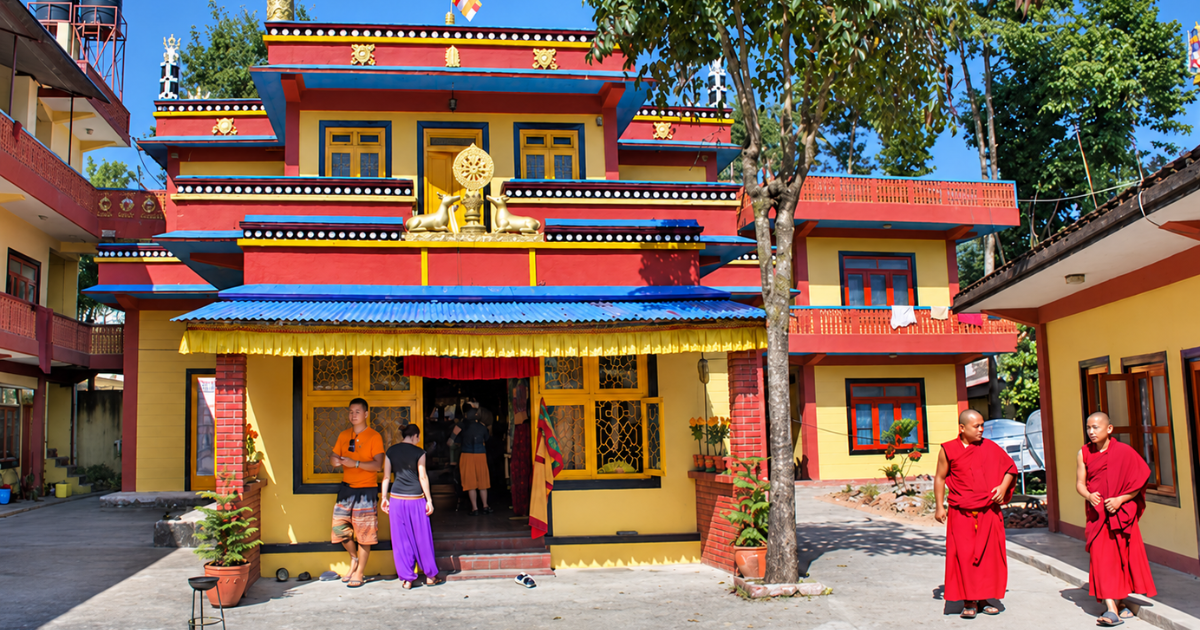
Shree Gaden Dhargyaling Monastery is located within the Tashi Ling Tibetan settlement in Pokhara, where it provides Buddhist religious education and serves the local community.
Why are there Tibetans in Nepal?
Many Tibetans came to Nepal after the uprising against Chinese rule in Tibet in 1959, when the Dalai Lama fled to India and thousands of Tibetans followed him into exile. Families crossed the Himalayan passes into neighbouring countries, seeking safety after leaving their homes behind. While most refugees continued to India, several thousand remained in Nepal, initially living in temporary camps or scattered communities near the border and in the Kathmandu Valley.
In the early 1960s, the Nepalese government began providing land for settlements, including Jawalakhel near Kathmandu and Tashi Palkhiel in Pokhara. The Red Cross and other international organisations helped provide shelter, food and medical care. By the middle of the decade, assistance programmes had expanded to include vocational training and employment, allowing families to begin supporting themselves instead of relying entirely on relief supplies.
Carpet weaving became an important source of employment, drawing on skills that Tibetan craftspeople had brought from their homeland. Alongside these workshops, schools and monasteries helped families pass on their language and religious traditions to children growing up in Nepal. Over the following decades, the settlements became home to successive generations of Tibetan families.
What are the traditions of Tibetan culture in Nepal?
Tibetan traditions practised in Nepal include Buddhist prayer and pilgrimage, thangka painting, carpet weaving and celebrations such as Losar. Religious teachings shape the figures and symbols depicted in thangkas, while the Tibetan Plateau’s cold climate influenced both the reliance on barley in traditional food and the use of wool for warm floor coverings and seating mats. These practices continue in Nepal through monasteries, workshops and family life.
Tibetan Buddhism and monastery life
Monasteries have long been centres of Buddhist learning in Tibet, where monks study religious texts and train to conduct ceremonies for their communities. These ceremonies include pujas, rituals involving prayers and offerings. Monks chant sacred texts during puja, sometimes accompanied by drums and cymbals. Butter lamps may also be placed before Buddhist images, with their flames symbolising the wisdom that dispels ignorance.
Outside monasteries, Tibetan Buddhists visit stupas, sacred monuments often associated with Buddhist relics, to offer prayers. At Boudhanath Stupa in Kathmandu, pilgrims practise kora by walking clockwise around the monument as an act of devotion. Many recite mantras, sacred phrases repeated during prayer, while turning the prayer wheels positioned along the route. These wheels contain written mantras, and turning them is believed to generate spiritual merit.
Thangka painting and religious art
Thangka paintings have been used in Tibetan Buddhism for centuries to illustrate religious teachings and support meditation. These traditional scroll paintings are usually created on cotton and mounted in decorative fabric. Some depict Avalokiteshvara, a Buddhist figure associated with compassion, while others feature mandalas, symbolic representations of sacred spaces used during meditation. Thangkas are displayed in monasteries and household shrines, where worshippers use them as a visual focus during religious practice.
Because thangkas convey Buddhist teachings, artists depict figures using established proportions and symbolic gestures. Even the position of a hand carries meaning, so painters must understand the symbolism behind the images they create. Painters begin by preparing a stretched canvas and drawing the composition using measured guidelines before gradually applying colour. Apprentices learn these techniques under experienced painters, studying Buddhist symbolism to understand the figures they depict.
Traditional Tibetan carpet weaving
Carpet weaving has a long history on the Tibetan Plateau, where wool from sheep was used to make thick rugs for homes and monasteries. Many were smaller than modern floor coverings and served as individual seating mats, including those used by monks during prayers. Tibetan weavers developed a distinctive knotting technique that involves looping woollen yarn around a metal rod across the loom. Once each row is complete, the loops are cut to create the carpet's thick surface, known as the pile.
When Tibetan refugees settled in Nepal during the 1960s, carpet weaving became a source of income for many families. Workshops opened in refugee settlements, employing experienced weavers and training others in traditional techniques. They eventually began producing larger carpets for overseas buyers, adapting traditional patterns to suit international markets. These workshops helped establish Nepal's hand-knotted carpet industry, which continues to produce traditional Tibetan designs alongside contemporary rugs.
Tibetan food and festivals
Traditional Tibetan food reflects the conditions of the high-altitude plateau, where barley grows more reliably than many other grains. The grain is roasted and ground into tsampa, a flour that can be stored for long periods and prepared without further cooking. It is often mixed with butter tea, a savoury drink made by churning brewed tea with butter and salt. Other familiar dishes include momos, steamed dumplings filled with meat or vegetables, and thukpa, a noodle soup commonly eaten during colder weather.
Losar, the Tibetan New Year, usually falls in February or March according to the Tibetan lunar calendar. Families prepare for the festival by cleaning their homes and making special foods. Two days before Losar, they traditionally eat guthuk, a noodle soup associated with leaving behind misfortune from the previous year. Fried pastries called khapse are also prepared and served during the celebrations. When the New Year arrives, families visit monasteries to offer prayers and spend the following days gathering with relatives.
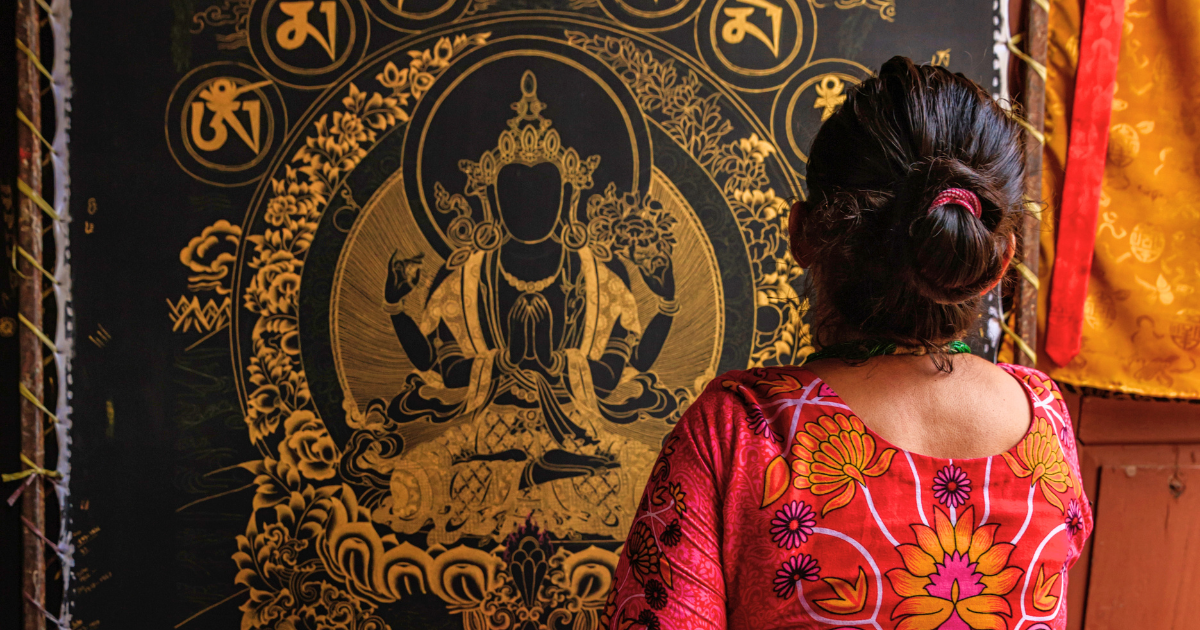
Thangka paintings depict Buddhist figures and sacred imagery used in religious teaching and meditation. Artists follow traditional proportions and symbolism when creating these works.
Where can travellers experience Tibetan culture in Nepal?
The Kathmandu Valley and Pokhara are among the main places to experience Tibetan culture in Nepal. In Kathmandu, visits often centre on Buddhist pilgrimage sites and monasteries. Nearby Lalitpur and the settlements around Pokhara have handicraft workshops where carpet weaving remains part of community life.
Boudhanath Stupa, Kathmandu
Boudhanath Stupa stands in the Bouddha neighbourhood, north-east of central Kathmandu, along an ancient trade route connecting Nepal with Tibet. For centuries, Tibetan merchants stopped here to offer prayers during their journeys across the Himalayas. After 1959, many Tibetan refugees settled around the stupa, establishing new monasteries and businesses to an area already known for Buddhist pilgrimage.
The enormous white dome is crowned by a gilded tower bearing the painted eyes of the Buddha. In the early morning and evening, pilgrims gather to walk clockwise around the monument, turning prayer wheels as they go. The surrounding streets are home to Tibetan monasteries and shops selling thangka paintings. Restaurants overlooking the stupa also serve Tibetan dishes, making Bouddha one of the most accessible places to experience Tibetan Buddhist life in Kathmandu.
Kopan Monastery, Kathmandu
Kopan Monastery sits on a hill north of Boudhanath, overlooking the Kathmandu Valley. Established in the late 1960s by Lama Yeshe and Lama Zopa Rinpoche, it was intended as a place where monks could receive a traditional Buddhist education. The founders also began teaching meditation and Buddhist philosophy to international students, helping Kopan become one of Nepal's best-known centres for studying Tibetan Buddhism.
The monastery continues to offer courses ranging from introductory meditation to more advanced Buddhist studies. Visitors can explore designated areas of the grounds, which contain prayer halls and gardens overlooking the valley. Those interested in learning more can attend organised courses or retreats, although access to certain buildings may be restricted during monastery activities.
Jawalakhel Tibetan Settlement, Lalitpur
Jawalakhel is one of Nepal's earliest organised Tibetan refugee settlements, established in 1960 in Lalitpur, south of Kathmandu. Among the families who arrived were skilled carpet weavers who had brought their techniques from Tibet. The Jawalakhel Handicraft Centre was established with support from the International Committee of the Red Cross and the Swiss Association for Technical Assistance, helping residents earn a living through carpet weaving.
The centre became one of the first major producers of Tibetan carpets in Nepal and helped develop the country's hand-knotted carpet industry. Its workshops continue to produce rugs for sale, offering visitors an opportunity to learn about the work of Tibetan craftspeople when access is available. Jawalakhel is also a residential community with its own monastery and school.
Tashi Palkhiel, Pokhara
Tashi Palkhiel is a Tibetan refugee settlement in Hemja, northwest of central Pokhara. Established in the early 1960s, it became home to families who had crossed into Nepal after leaving Tibet. As the community developed, Buddhist teachers established a monastery to serve the religious needs of Tibetan residents and other Buddhists living around Pokhara.
The community that became Jangchub Choeling Monastery traces its origins to 1963, when Dupseng Rinpoche arrived in Pokhara, initially providing a place for prayers and ceremonies. As more families requested religious education for their children, the monastery expanded to accommodate monks and their studies. Its prayer hall contains Buddhist statues and colourful religious paintings, and the monastery continues to serve the surrounding community through worship and religious education.
Tashi Ling, Pokhara
Tashi Ling is another Tibetan refugee settlement, located in Chhorepatan near Devi's Falls in southern Pokhara. Established in 1965, it developed from a settlement for displaced families into a residential community with its own businesses. The Tashiling Handicraft Centre opened in 1980, providing residents with opportunities to earn an income through carpet weaving and the sale of traditional Tibetan goods.
The settlement also has a photographic gallery documenting the arrival of Tibetan refugees and the development of their community in Pokhara. Its collection provides historical context for the homes and businesses that visitors see today. Nearby, Shree Dhargyaling Monastery serves as a place of Buddhist worship and religious education for local residents.
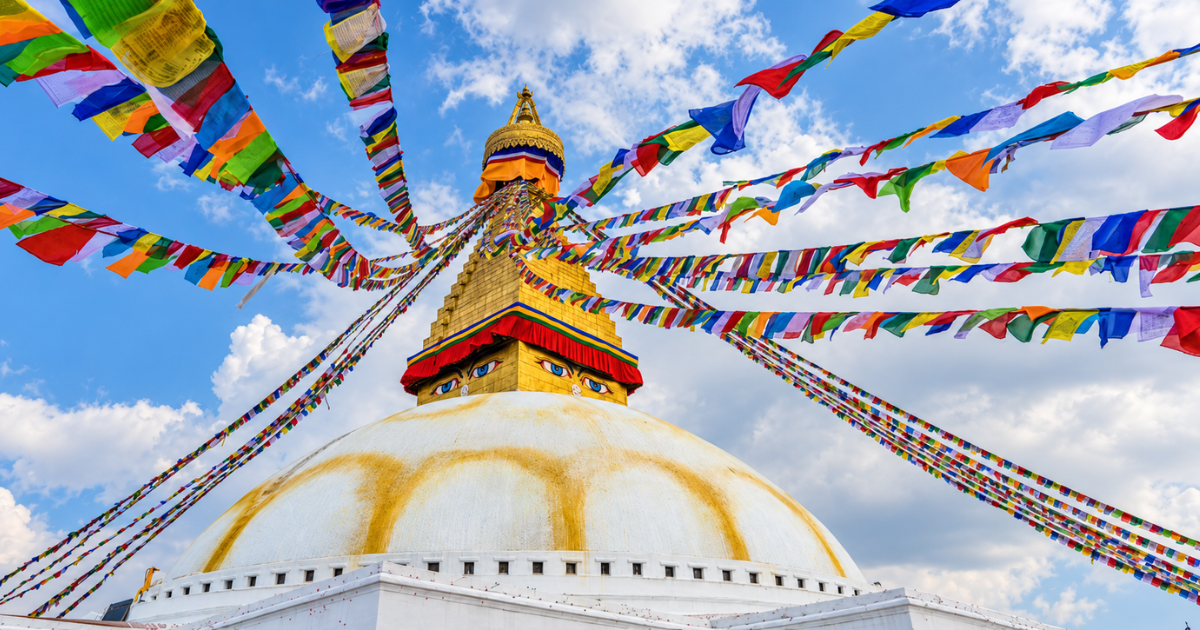
Boudhanath Stupa has been a centre of Buddhist pilgrimage for centuries and remains an important religious site for Kathmandu's Tibetan community.
What should travellers know before visiting Tibetan communities?
Many Tibetan monasteries and handicraft centres in Nepal welcome visitors interested in their religious traditions and crafts. Monasteries follow schedules for worship and religious study, while the settlements in Kathmandu and Pokhara are residential neighbourhoods with working businesses. Access to prayer halls and workshops can vary, so it helps to understand the arrangements before visiting.
Can tourists visit Tibetan monasteries in Nepal?
Many Tibetan monasteries welcome tourists to designated public areas, although prayer halls and residential buildings may have restricted access. Kopan Monastery in Kathmandu allows day visits from 9:00am to 5:00pm, while large groups and visitors arriving by tourist bus must arrange an appointment. Meditation courses and retreats require separate registration.
Boudhanath Stupa is a public pilgrimage site surrounded by independently managed monasteries. Most international visitors pay an entrance fee of NPR 400 or approximately $4 AUD to enter the heritage site, but this does not cover access to the surrounding monasteries. Travellers interested in visiting these religious buildings should check their individual opening hours and visitor arrangements.
What should visitors wear to a Tibetan monastery?
Clothing that covers the shoulders and knees is appropriate when visiting Tibetan monasteries. Lightweight trousers or a calf-length skirt with a T-shirt are suitable for Kathmandu and Pokhara, particularly during warmer months. Kopan Monastery asks visitors to wear non-revealing clothing, with long trousers or a calf-length skirt inside the meditation hall. A light shawl can be useful for covering the shoulders.
Shoes are generally removed before entering monastery prayer halls, making footwear that is easy to take off a practical choice. Inside, visitors should follow any instructions about where to sit or walk, particularly when monks are conducting prayers. Some areas may be reserved for religious activities and are not open to tourists.
Can visitors take photos inside Tibetan monasteries?
Photography is generally permitted in outdoor areas around Boudhanath Stupa and some monastery courtyards. Inside prayer halls, restrictions may apply to sacred artwork or ceremonies in progress. Visitors should check for signs or ask a monastery attendant before taking pictures, particularly when monks are praying or performing religious rituals.
The same consideration applies when photographing people in Tibetan refugee settlements. Visitors should ask permission before taking portraits of residents or artisans at work, even when a handicraft centre welcomes tourists. Homes and schools within these settlements are private spaces, so photography should be limited to areas where visitors have permission.
Can visitors attend Buddhist prayer ceremonies?
Some Tibetan monasteries allow tourists to observe public prayer ceremonies, although access depends on the monastery's religious schedule. At Khachoe Ghakyil Ling Nunnery, associated with Kopan Monastery in Kathmandu, guests staying at the nunnery are invited to attend morning prayers. These sessions involve nuns chanting Buddhist texts together as part of their daily religious practice.
Prayer ceremonies vary in length, and some are reserved for the monastic community. Travellers should confirm the schedule before visiting and arrive before prayers begin to avoid interruptions. Once inside, visitors can follow the seating arrangements provided by monastery attendants and observe quietly without using their phones or taking photographs unless permitted.
Do travellers need a guide to visit Tibetan communities?
Travellers can explore Boudhanath Stupa and the public areas of Kopan Monastery independently. However, a local guide can be helpful when visiting refugee settlements such as Tashi Palkhiel and Tashi Ling in Pokhara. These communities have their own residential areas and institutions, which are not necessarily open to casual visitors.
Guides familiar with the settlements can explain their history and help arrange visits to monasteries or handicraft workshops that accept guests. Some visits may include opportunities to speak with local artisans about their work.
How can visitors support Tibetan communities in Nepal?
Buying handicrafts directly from Tibetan-owned workshops can help support local artisans and their families. The Jawalakhel Handicraft Centre in Lalitpur is particularly known for its hand-knotted carpets. Travellers interested in purchasing one can ask about the materials used, where it was woven and whether the design follows traditional Tibetan patterns.
Thangka paintings are another option, although prices vary considerably between original artworks and printed reproductions. Hand-painted thangkas can take weeks or months to complete, depending on their size and detail. Speaking with the artist can help buyers understand the work involved. Tibetan-owned restaurants and smaller craft shops offer other opportunities to support local businesses.
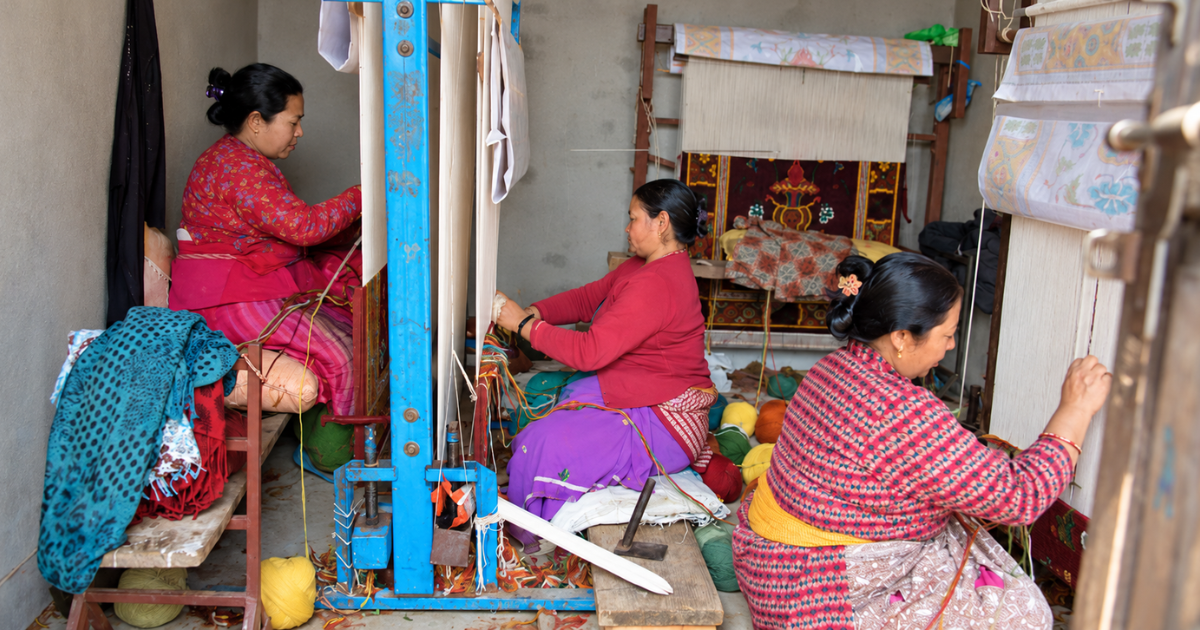
Carpet weaving provided employment for Tibetan refugees who settled in Nepal during the 1960s. Workshops established in refugee communities helped develop the country's hand-knotted carpet industry.
Discover Tibetan culture in Nepal with Remarkable East
Remarkable East specialises in small group journeys across Asia, with a maximum of 12 guests per departure. Our Nepal Women's Pilgrimage Tour explores Nepal's religious and cultural traditions, from Buddhist monasteries in Kathmandu to a Tibetan refugee community in Pokhara. Contact our team to discuss the itinerary and upcoming departures.