
How To Spend 48 Hours In Manila
The Philippines is an archipelago of more than 7,600 islands spread across South East Asia, from the limestone cliffs of Palawan and the rice terraces of Luzon to the coral reefs of the Visayas and the surf breaks of Siargao. Most travellers arrive with plans for beaches, islands and natural landscapes, but almost every journey begins in Manila.
For many first-time visitors, Manila can feel overwhelming. Traffic is constant, the streets are busy and the scale of the city home to 14 million people takes time to absorb, yet beneath that first impression, Manila is one of Asia's most historically significant capitals. Spending a couple of days here provides valuable context for the rest of the Philippines.
Before heading to the islands, mountains and coastlines beyond the capital on a Philippines tour, this 48 hours in Manila itinerary will help you discover the city behind the traffic and headlines.
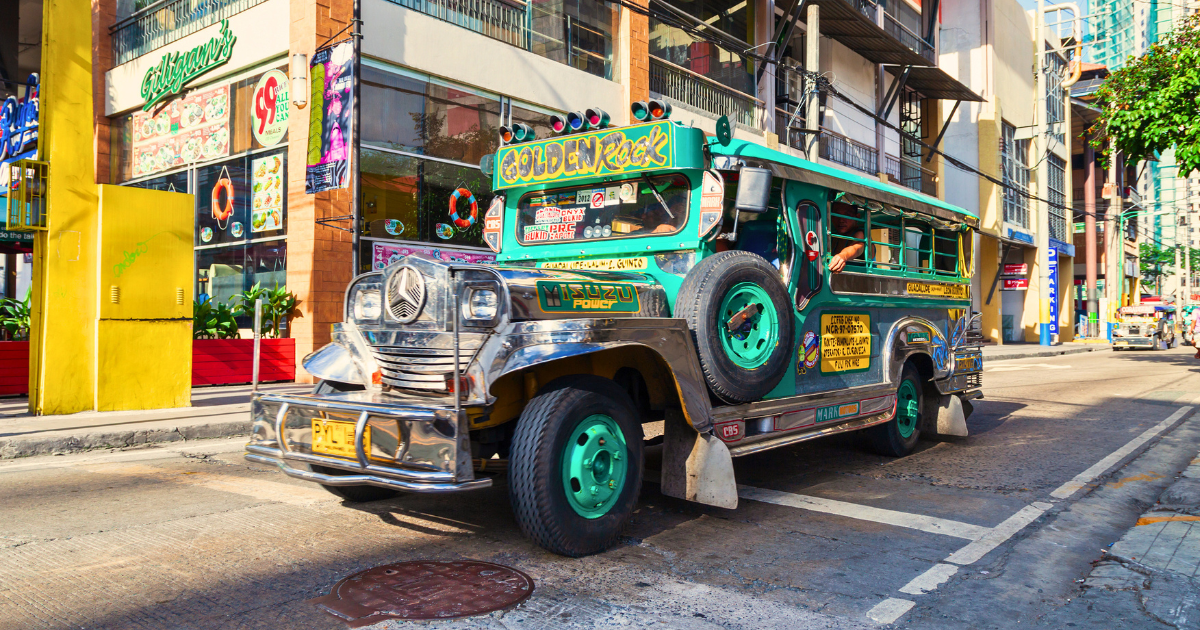
The jeepney emerged from the post-war period, rebuilt from surplus American military jeeps into the brightly painted passenger vehicles that still run the streets today.
Why travellers shouldn't skip visiting Manila
Many travellers spend little time in Manila. International flights arrive here before connecting onwards to destinations such as Palawan, Cebu, Bohol and Siargao, and for those with limited time it can be tempting to head straight for the islands.
Yet Manila offers a unique introduction to the Philippines that is difficult to find elsewhere. As the nation's capital, it brings together many of the country's most important historic, cultural and culinary experiences within a relatively compact area.
Visitors can explore Intramuros, the Spanish colonial walled city founded in 1571, walk through Binondo, the world's oldest Chinatown, and visit museums that trace the history of the Philippines from pre-colonial societies to the present day.
The city is also home to landmarks such as Rizal Park, the National Museum complex and the Cultural Centre of the Philippines, reflecting Manila's role as the country's political, educational and cultural centre.
For many visitors, Manila's greatest appeal lies in its food. Restaurants, markets and street vendors showcase dishes from across the archipelago, making the capital one of the best places to experience regional Filipino cuisine in a single destination. A short stay here provides valuable context for the beaches, islands and landscapes that draw most travellers to the Philippines in the first place.
How to spend two full days in Manila
Two days in Manila can be divided into the historic centre on day one and the food, markets and modern districts on day two. Day one moves through Intramuros and its colonial churches, ends at the National Museum complex around Rizal Park, and finishes with dinner along Manila Bay. Day two begins with a food walk through Binondo, takes in the markets of Quiapo, and finishes in Makati or Bonifacio Global City (BGC). The whole sequence sits within a 6km radius of central Manila, which is what makes a 48-hour visit workable.
Where to base yourself
Most travellers stay in Makati or BGC, where the international hotels and the majority of restaurants and bars cluster. Both sit around 10km south of the historic core, which is why the itinerary leads with the older districts on day one and uses the modern centre as a base on day two. Makati offers more central access to the wider city and a denser collection of restaurants, while BGC is newer, quieter and more walkable. Staying in Ermita or near Intramuros works equally well and reverses the order, though hotel options are fewer and the evening scene is quieter than in Makati or BGC.
Getting around Manila
Grab is the dominant ride-hailing service and the easiest way to move between districts, with most trips between 200 and 500 pesos and airport runs taking 30 minutes to an hour. The MRT and LRT light rail lines run along EDSA and Taft Avenue and are useful for crossing town quickly. Metered taxis are widely available but Grab gives more reliable pricing. The jeepney remains the country's signature form of public transport and is worth riding once for the experience, though routes can be confusing for visitors.
Timing your two days
Early morning starts work best in Manila. Most historic sites in Intramuros open by 8am, and the cooler hours before midday are the best time to walk the walled city and visit Fort Santiago. Day one runs busier, with the colonial churches and forts in the morning, the National Museum and Rizal Park in the afternoon, and dinner along Manila Bay. Day two follows a slower pace, with a late-morning Binondo food walk leading into Quiapo's markets in the afternoon and the modern districts in the evening.
What to pack and expect
Comfortable walking shoes matter for Intramuros, which covers a square kilometre and is best done on foot. The heat sits between the high 20°C and mid 30°C year round, with humidity that makes light cotton or linen clothing essential. Churches and the older heritage sites expect modest dress, with shoulders and knees covered. Cash is useful for markets in Quiapo and Binondo, while restaurants in Makati and BGC accept cards.
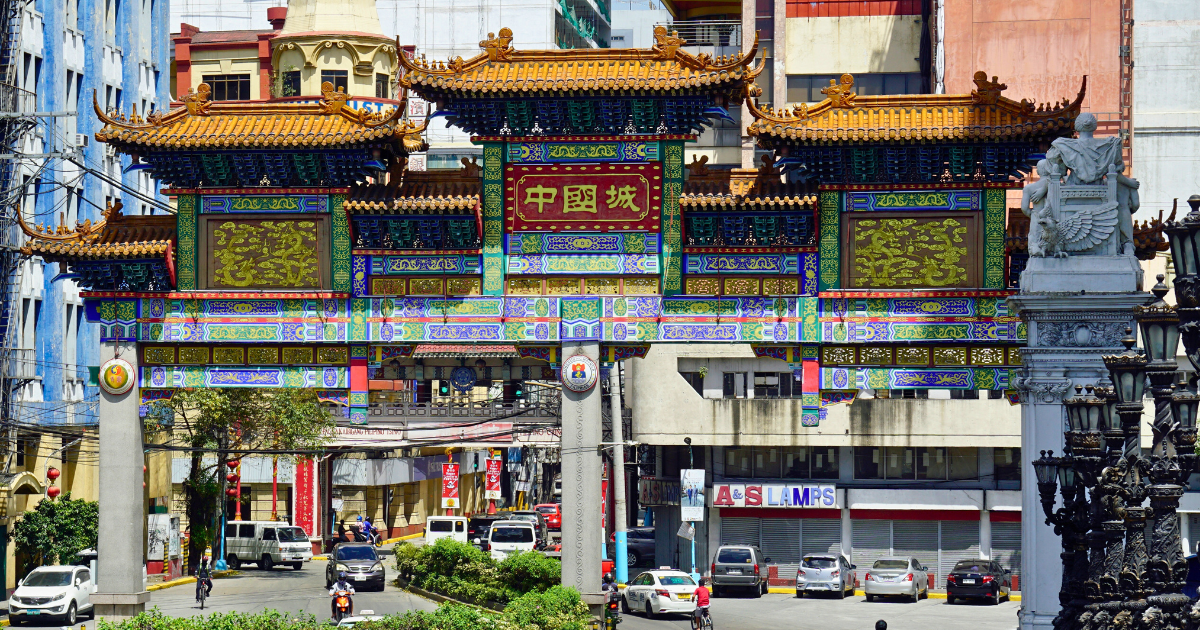
Binondo introduces one of Manila’s most important cultural layers, shaped by centuries of Chinese-Filipino trade, migration and food traditions.
Day 1: Intramuros and the historic centre
Day one stays within walking distance of Manila Bay and the Pasig River. Intramuros, Rizal Park and the surrounding museum complex sit within a single district, which makes for an unhurried morning and afternoon on foot.
Walking Intramuros and Fort Santiago
Intramuros is the original Spanish walled city, founded by Legazpi in 1571 and enclosed by stone fortifications built up over the following two centuries. The district covers around 0.67 square kilometres and retains its grid of narrow streets, plazas and stone houses. Heavy damage during the 1945 Battle of Manila destroyed much of the interior, though restoration work has returned several key buildings.
Fort Santiago anchors the northern corner of Intramuros, set where the Pasig River meets the bay. The fort served as the main Spanish military stronghold and later held José Rizal during the weeks before his execution in December 1896. The Rizal Shrine inside the fort displays his cell, manuscripts and the brass footprints marking his final walk to the execution ground at Bagumbayan.
San Agustin Church and Casa Manila
San Agustin Church was completed in 1607 and is the oldest surviving stone church in the Philippines. The Baroque structure was inscribed on the UNESCO World Heritage List in 1993 as part of the Baroque Churches of the Philippines group, alongside three other churches in the country. Its adjoining monastery now functions as a museum, holding religious art, vestments and colonial-era furniture.
Across the plaza, Casa Manila is a reconstruction of an upper-class bahay na bato, the stone-and-wood townhouse style common in mid-19th century Manila. The building dates to the early 1980s but follows period plans and is furnished with original colonial pieces. The two sites together give a clear sense of how religious and domestic life functioned in Spanish-era Manila.
Rizal Park and the National Museum complex
Rizal Park, also called Luneta, sits immediately south of Intramuros and marks the site of José Rizal's execution in 1896. The park is the civic centre of Manila and was the location where the Philippine flag was raised at the formal end of American rule in 1946. The Rizal Monument stands at its northern end.
Three branches of the National Museum sit along the park's eastern edge. The National Museum of Fine Arts holds Juan Luna's 1884 painting Spoliarium, the largest canvas in Philippine art and the centrepiece of the museum's collection. The National Museum of Anthropology covers prehistoric and ethnographic material, including the Manunggul Jar, a secondary burial jar from around 890 BCE recovered in Palawan.
Manila Bay and dinner in Malate
Manila Bay forms the city's western edge, and the seafront at sunset is the closing point of the first day. Roxas Boulevard runs along the water from the U.S. Embassy down past the Cultural Centre of the Philippines complex, and several baywalk sections allow direct access to the waterfront around 6:00pm.
Dinner sits inland in Malate or Ermita, the older entertainment districts just behind the bay. Adriatico Street and the area around Remedios Circle hold several long-running Filipino restaurants serving regional cuisine from Pampanga, Bicol and Ilocos. These are working neighbourhood dining rooms rather than hotel restaurants, and the cooking leans toward classic dishes like kare-kare, bistek tagalog and crispy pata.
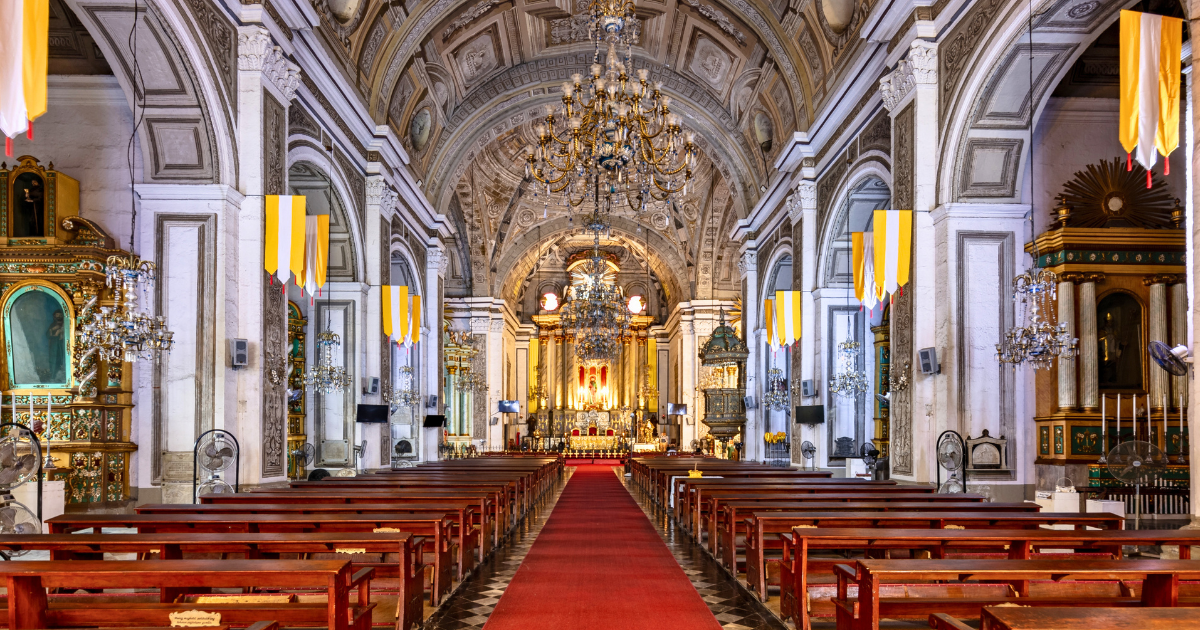
San Agustin Church is the oldest surviving stone church in the Philippines and one of the key heritage sites inside Intramuros.
Day 2: Binondo, Makati and modern Manila
Day two crosses the Pasig River for the morning before moving east into the planned business districts in the afternoon. The contrast between Binondo's 16th-century street pattern and the high-rise grid of BGC makes the city's development legible in a single day.
A food walk through Binondo
Binondo was established in 1594 as a settlement for Catholic Chinese traders living outside the walls of Intramuros, and it remains the oldest Chinatown in the world by date of founding. The district sits across the Pasig River from Intramuros and is reached via Jones Bridge, with its street pattern still following the original 16th-century layout and Ongpin Street running as the main commercial spine.
The food in Binondo reflects four centuries of exchange between Hokkien Chinese traders and Filipino home cooking. Pancit, the noodle dish now eaten across the country, originated here, as did lumpia and siopao. A morning food walk usually takes in Quik Snack for kiampong rice, Wai Ying for dumplings and roast duck, and New Po-Heng for fresh lumpia.
Quiapo and local market culture
Quiapo sits just east of Binondo and centres on the Minor Basilica of the Black Nazarene, completed in 1933. The basilica holds a dark wood statue of Christ that arrived from Mexico in 1606, and its annual procession on January 9 draws several million participants through the streets of central Manila. The church itself is open daily and remains a working pilgrimage site.
The streets immediately around the basilica hold some of the city's older specialist markets. Hidalgo Street is the long-standing camera trade district, with second-hand film equipment shops dating back to the 1950s. Behind the church, Quinta Market is the main wet market for the area, selling produce, dried fish and herbal remedies under the Plaza Quiapo arches.
The Ayala Museum and public art in BGC
Bonifacio Global City was developed on the site of the former Fort Bonifacio army base beginning in the late 1990s, after the 1995 sale of the land by the Bases Conversion and Development Authority. The result is one of the few fully walkable districts in metro Manila, with wide footpaths and a regular grid.
The Ayala Museum sits at the western edge of BGC at Greenbelt Park, and its permanent collection includes the Gold of Ancestors exhibition displaying pre-colonial gold ornaments from the 10th to 13th centuries recovered in Surigao and Butuan. BGC itself runs an ongoing public art programme, with around 60 works installed across its streets and parks, including pieces by national artists Napoleon Abueva and Arturo Luz.
Dine in Makati or Poblacion
Poblacion, the old centre of Makati, has become the city's main food and bar district over the past decade. The area sits between Makati Avenue and Kalayaan, with restaurants running from late afternoon through to early morning. This is where contemporary Filipino cooking has developed most visibly since the mid-2010s.
The new wave of Manila kitchens has focused on indigenous ingredients, traditional fermentation methods and regional dishes that rarely travelled beyond their home provinces. A Poblacion dinner can move through Visayan cooking from Negros and Iloilo, including kinilaw (ceviche) and the slow-roasted lechon (roasted pork) associated with Cebu, alongside Cordilleran preparations like etag and pinikpikan from the mountain provinces of northern Luzon, and Mindanao dishes including beef rendang and the turmeric-grilled pyanggang (braised chicken) of the Tausug.
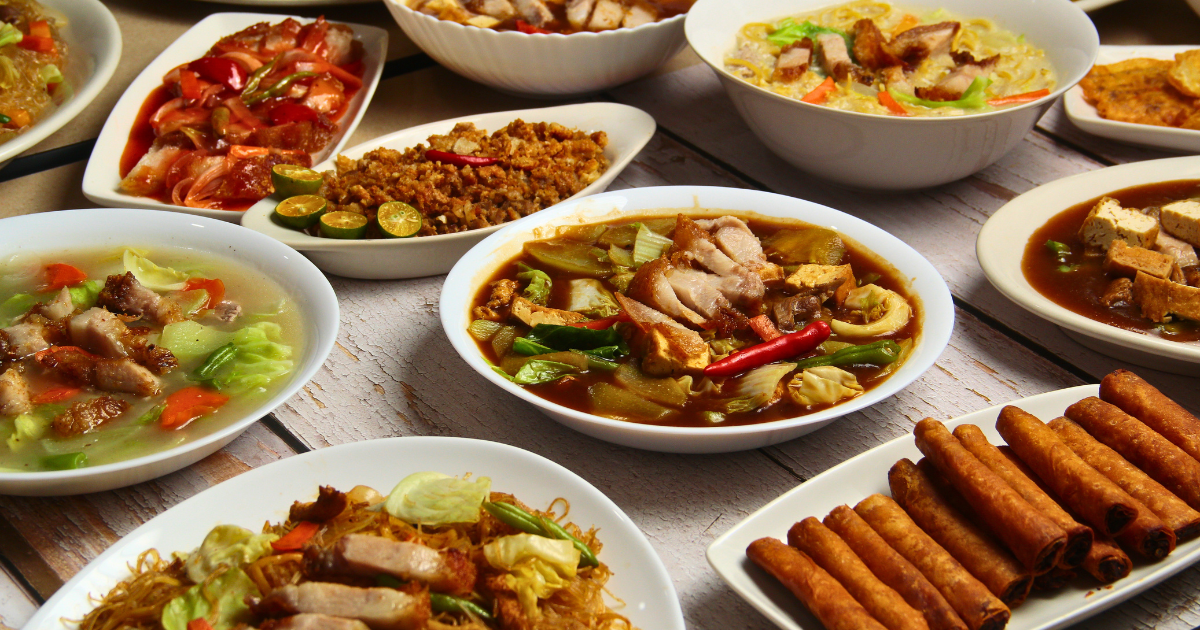
Makati and Poblacion are good places to end a Manila itinerary with regional Filipino cooking and contemporary dining.
Where should I stay in Manila?
Accommodation choice on a Manila itinerary usually comes down to three districts, including Makati, the area around Intramuros, or Bonifacio Global City. The decision depends on which side of the city the two days lean toward and how much time will be spent moving between districts.
Makati area
Makati is the most practical base for a short stay. The district holds the highest concentration of long-established hotels in the city, with the Peninsula Manila on Ayala Avenue and the recently opened Raffles and Fairmont towers on Raffles Drive, alongside several smaller properties around Salcedo and Legazpi villages.
Geographically, Makati sits roughly central to both Intramuros and BGC, with transfer times of 20 to 40 minutes to either depending on traffic. Hotel restaurants, ride-hailing access and the Greenbelt and Glorietta retail complexes are all within walking distance, which removes much of the friction from moving around the city.
Intramuros and Old Manila
Staying near Intramuros suits travellers focused on the Spanish-era core and the museum district around Rizal Park. The Bayleaf Intramuros sits inside the walled city itself with a rooftop bar overlooking Manila Cathedral, and the Manila Hotel, opened in 1912 by the American colonial administration, still operates on the southern edge of the district facing the bay. The Luneta Hotel on Kalaw Avenue is a smaller alternative, housed in a 1918 French Renaissance building that was restored and reopened in 2014.
The area is quieter than Makati or BGC in the evenings, with most of the walled city closing down once the museums and churches shut. Dinner generally means a short transfer into Malate or Ermita rather than walking from the hotel. The trade-off is direct daytime access to the bulk of the day one sites, which removes 30 to 40 minutes of cross-city travel from the start of the itinerary.
Bonifacio Global City
BGC offers the newest accommodation in the city, including the Shangri-La The Fort, Grand Hyatt Manila, Seda Bonifacio Global City and the Hilton Manila. The district was planned for pedestrian use, so an evening walk to dinner is straightforward and the surrounding streets are safer to navigate at night than in older parts of the city.
The trade-off is distance from Intramuros, with a transfer of around 40 minutes in moderate traffic. BGC suits travellers weighting their two days more toward modern Manila and the Makati food scene than the historic core.
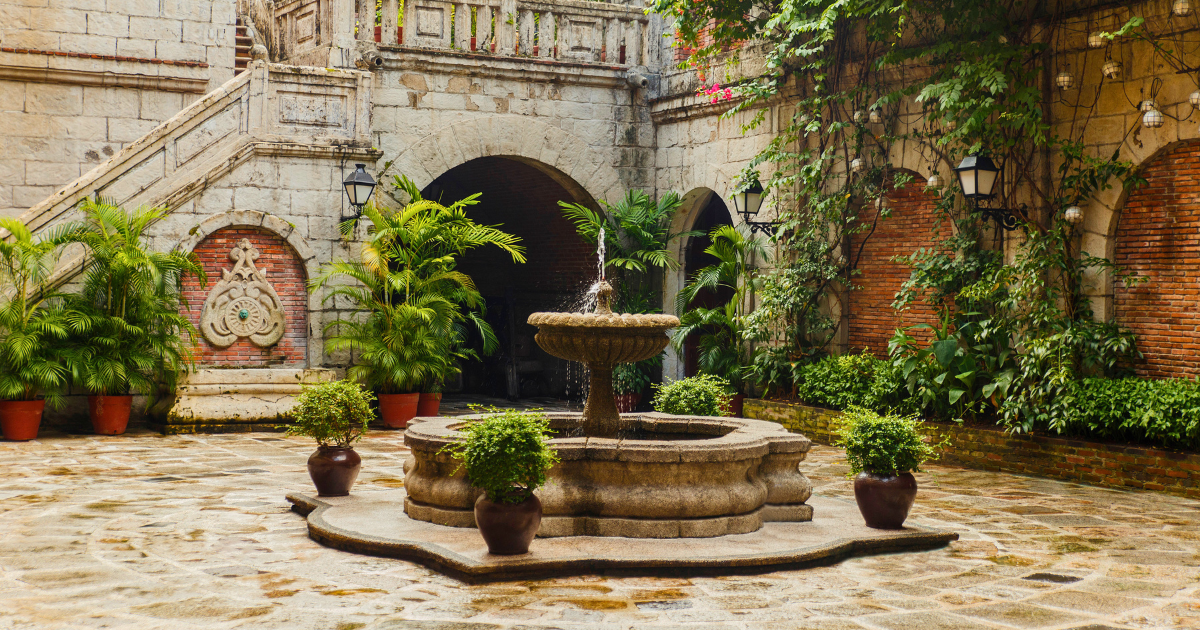
Casa Manila gives a sense of the stone-and-wood townhouse style once associated with upper-class life in Spanish-era Manila.
Is two days in Manila enough?
Yes, two days is enough to unearth everything that makes Manila distinctive. The main sites of interest are clustered within a 10km stretch on either side of the Pasig River, making a focused Manila weekend itinerary workable. Two days gives enough time to walk the historic centre, eat through Binondo and Quiapo, and see the modern districts at a sensible pace.
Travellers with three or four days available can add a day trip to the itinerary. Tagaytay sits on a ridge two hours south of the city, with views down over Taal Lake and the volcanic island at its centre. Las Piñas, at the southern edge of Metro Manila, holds the 1816 bamboo organ at St. Joseph Parish Church, an instrument made of nearly 900 bamboo pipes still in use today.
For most visitors, the two days in Manila open a longer Philippines journey, with Palawan, Cebu and Bohol filling the remaining days. The time spent in the city is what gives the rest of the trip its historical and cultural footing.
Which month is best to visit Manila?
The best time to visit Manila is during the dry season from December to May. The coolest months are December through February, when daytime temperatures sit around 27 to 30°C and humidity is at its lowest. March through May becomes progressively hotter, with April and May regularly reaching 34 to 36°C.
The wet season runs from June through November, with the heaviest rainfall in July, August and September. Typhoons reaching Luzon are concentrated in this period, particularly between July and October, and short-duration flooding affects parts of central Manila during the heaviest storms. For a two day itinerary, the wet season is workable but less reliable, since a single afternoon storm can compress the walking sections of the plan into a tighter window.
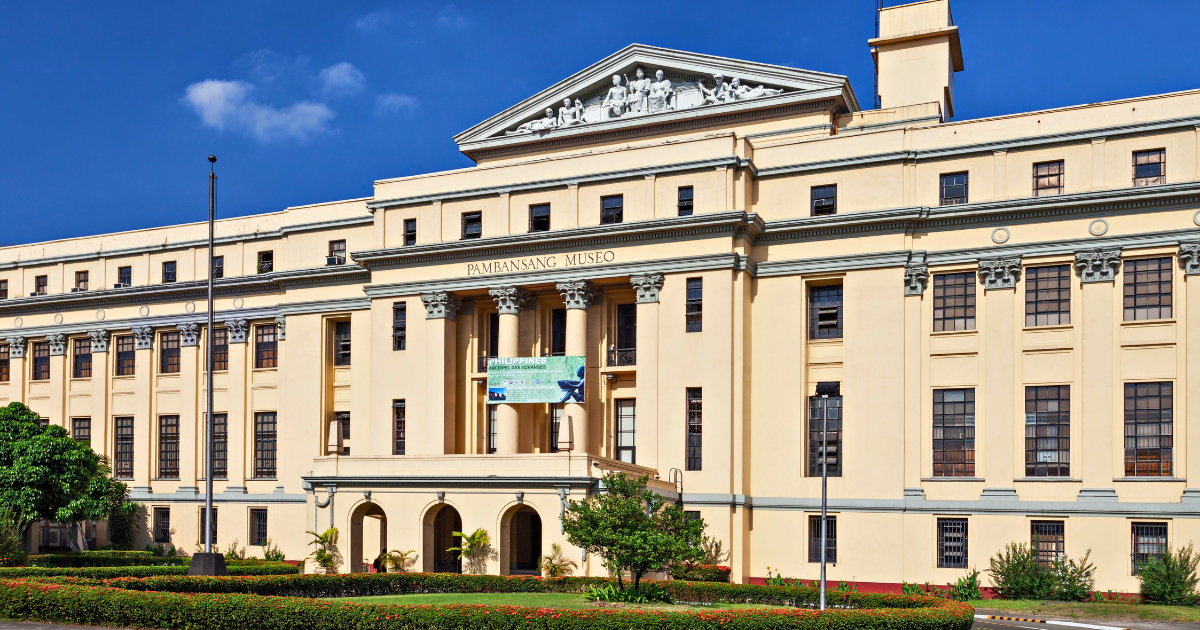
The National Museum complex is a useful indoor stop on a Manila itinerary, especially during the hotter months or when afternoon rain affects walking plans.
Discover the Philippines with Remarkable East
Remarkable East runs carefully designed small group journeys across Asia, with a maximum of 12 guests on each departure and expert local hosts on the ground in each country. Our Philippines trips pair Manila with onward travel into the islands planned around regional guides in each area. To start planning a Philippines journey that begins in Manila, get in touch with our team.