
How To Spend A Day In The Hill City Of Kandy
Sri Lanka's central highlands rise sharply from the coastal plains, climbing into a region of forested ridges, tea estates and old royal towns. Kandy sits at the northern edge of this hill country, where the air is cooler than on the coast and the surrounding hills close in around the city on three sides. The Sinhalese kings moved their capital here in the late 15th century to escape coastal invaders, and the city held its position as the religious and cultural centre of the island long after the move.
Today Kandy is a working city of around 125,000 people, built around an artificial lake and dominated by the Temple of the Sacred Tooth Relic. For most travellers, it is a one or two night stop between the Cultural Triangle to the north and the tea country in the south, and a single well-planned day covers the temple, the lake, the market and the Royal Botanic Gardens at Peradeniya.
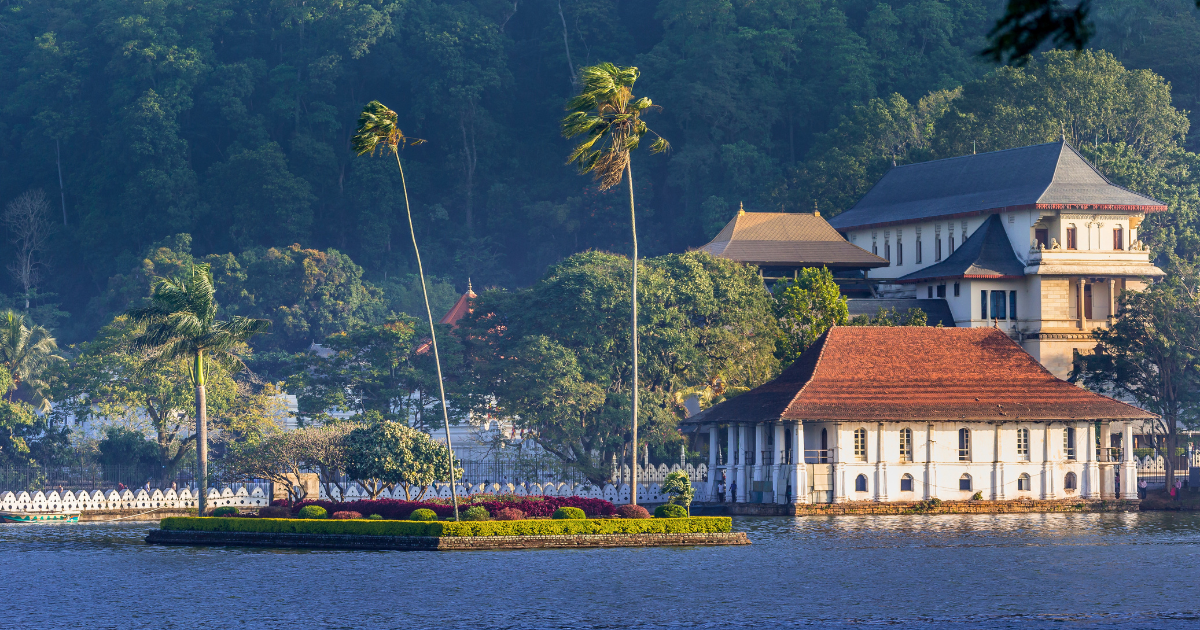
Kandy sits in a natural bowl of hills at 500 metres elevation, with the lake and temple complex at its centre.
What is Kandy famous for?
Kandy stands out for its religious importance, its hill-country setting and a strong regional culture that has remained through centuries of outside influence. Each of these is on display within a small central area, which is what makes the city workable in a single day.
The Temple of the Sacred Tooth Relic
Sri Dalada Maligawa houses a tooth of the Buddha, brought to the island in the 4th century AD hidden in the hair of an Indian princess. Possession of the relic was historically tied to the right to rule, and successive Sinhalese kings rebuilt and expanded the temple around it.
The tooth itself is never displayed. It sits inside a series of seven nested gold caskets in the inner chamber, which opens only during the daily puja (ritual ceremonies) at 5:30am, 9:30am and 6:30pm. Once a year, during the Esala Perahera (Festival of the Tooth) in July or August, a replica casket is carried through the streets on a tusker elephant in a procession of dancers, drummers and torchbearers.
Kandy Lake
Sri Wickrama Rajasinha, the last king of Kandy, drained a paddy field in 1807 to create the lake at the centre of town. The small island in the middle is said to have held his bathing pavilion. The triangular wall along the southern shore, known as the Walakulu Bemma or cloud wall, was meant to be twice its current height before British annexation cut the project short.
A walking path of around 3km loops the water, with the temple on one side and the wooded slopes of Udawattakele Forest Reserve, once a royal sanctuary, rising behind it. Under British rule the surrounding hills were planted with tea, coffee and rubber, and Kandy grew into the principal hill station of the wet zone.
Kandyan culture and food
Kandyan culture developed in the highland kingdom while the coasts came under Portuguese and Dutch rule, and the region kept its own dance forms, geometric jewellery and double-headed drumming, along with the white sarong and frilled sash worn by male dancers. These traditions remain part of daily religious and ceremonial life rather than performances revived for visitors.
The food carries the same regional character. Rice and curry meals are built around polos (green jackfruit) curry, freshwater fish from inland reservoirs, and dry-roasted spice mixes darker and earthier than those of the south. Local sweets such as kalu dodol and aluwa are tied to the Kandyan court and still made in the villages around the city.
Kandy Market
Kandy Market sits off Station Road on the western edge of the central area and serves as the main municipal market for the city and the surrounding villages. The ground floor trades in fresh produce, dried fish, Ceylon tea by the kilo and the spice blends specific to the central province, with most traders dealing directly with growers in the surrounding hills.
The upper level holds handloom cotton sarongs, cane baskets and brassware, much of it made in villages within an hour of the city. The market is busiest in the early morning when supply runs come down from the hill farms, and quietens through the middle of the day before picking up again in the late afternoon.
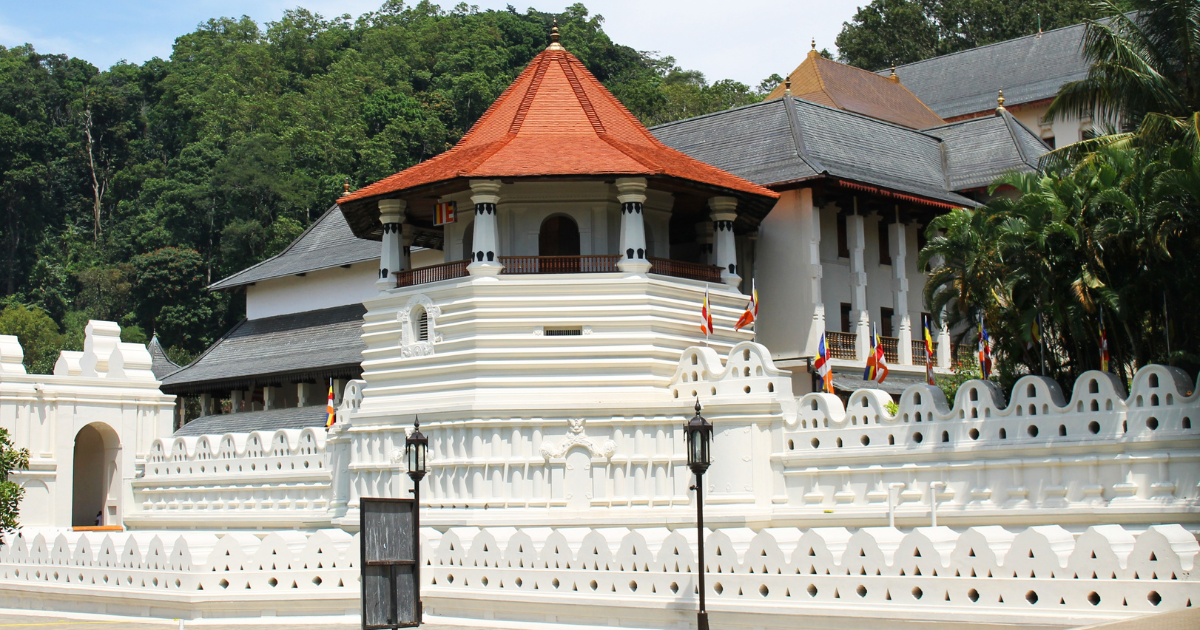
Sri Dalada Maligawa has been rebuilt and expanded by successive Sinhalese kings since the 4th century AD.
What is the best way to get to Kandy?
Kandy sits roughly 115km inland from Colombo and is connected to both the coast and the hill country by a single railway line and a network of roads. How travellers reach the city usually depends on where they are coming from and how much they want the journey to be a part of the experience.
By scenic train
The Colombo Fort to Kandy line takes around two and a half to three hours, climbing through paddy fields and rubber plantations before reaching the steep section past Kadugannawa. Trains run several times a day, with the morning Intercity Express the most popular service. First-class observation saloon and second-class reserved seats can be booked in advance, and both sides of the carriage offer views as the line cuts through tunnels and along ridgelines. The more famous tea-country stretch lies south of Kandy, on the onward route to Nuwara Eliya, Ella and Badulla.
By private driver
The drive from Colombo to Kandy covers around 115km on the A1 highway and takes three to three and a half hours in normal traffic. From Negombo, near the international airport, the route is similar in length and avoids backtracking into Colombo. A private car allows useful stops along the way, including the rock temple complex at Dambadeniya, a 13th-century Sinhalese capital, and the Pinnawala Elephant Orphanage near Kegalle. For travellers arriving on a late flight, the road option also offers more flexibility on departure time.
As part of a Sri Lanka itinerary
Most travellers reach Kandy as part of a longer route rather than a direct trip from Colombo. The most common approach is from the Cultural Triangle, with Dambulla and Sigiriya around two and a half hours north by road. From Kandy, the railway south connects to the hill country, while road routes lead west to Colombo or south-east towards the tea estates of Nuwara Eliya. Two nights in Kandy works well for most Sri Lanka tour itineraries, giving a full day in the city and time to settle into the change of pace before continuing south.
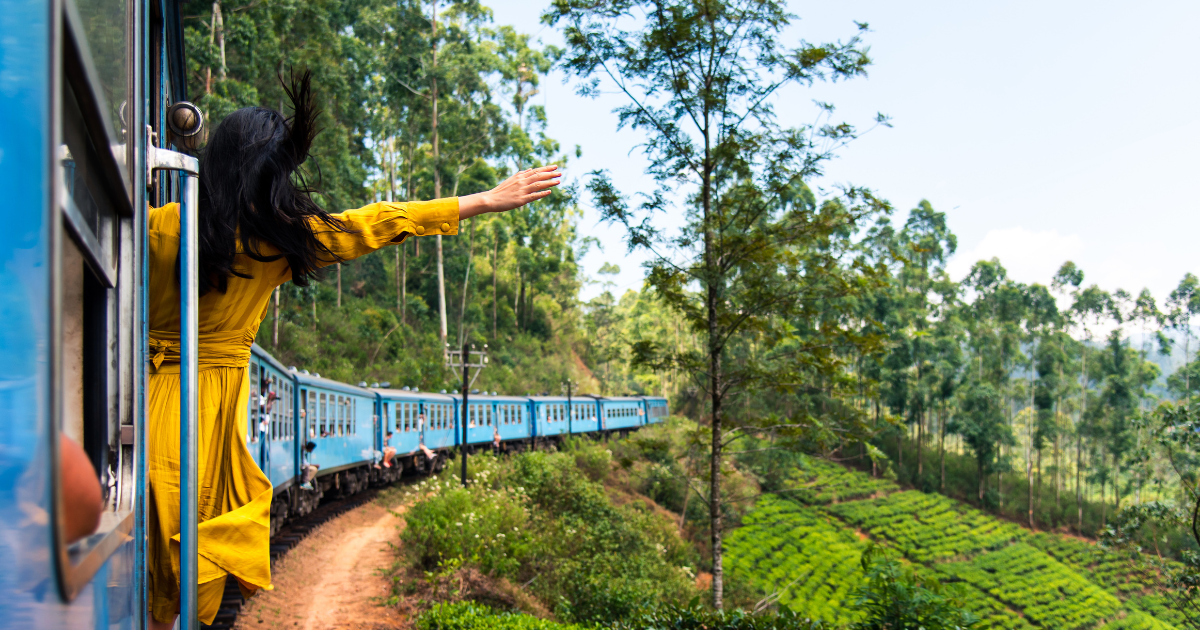
The hill country line from Kandy climbs through tea estates to Nanu Oya, the station for Nuwara Eliya, before continuing on to Ella and Badulla.
What are the best things to do in Kandy in a day?
A full day in Kandy works best when ordered around the heat and the temple's prayer schedule. Mornings are cooler and quieter, the middle of the day suits indoor or shaded stops, and late afternoon opens up for lake walks, gardens and viewpoints.
Stroll around Kandy Lake
The 3km path around the lake is most pleasant before 9am or after 4pm, once the sun loses some of its strength. The walk passes the temple on the northern side and crosses below the Walakulu Bemma on the southern bank, which gives the clearest view back across the water to the temple complex.
Pelicans, cormorants and water monitors are common along the shore, and benches and shaded sections appear at regular intervals. Small kiosks at either end sell king coconut water for the walk. Allow around 45 minutes at a relaxed pace, or longer if stopping to watch the birdlife.
Visit the Temple of the Sacred Tooth Relic
The temple is best visited mid-morning for the 9:30am puja, when the inner doors of the relic chamber are opened to pilgrims. Drumming and oboe playing carry through the complex during the rite, which lasts around 45 minutes. Visitors leave shoes at the entrance and must cover knees and shoulders, with sarongs available to borrow if needed.
Pilgrims bring lotus flowers and frangipani to lay at the chamber doors, and the upper level is where the relic itself is housed. The small museum at the back of the complex holds historical photographs, gifts presented by visiting heads of state and damage records from the 1998 bombing. Allow around an hour and a half for the full visit.
Browse Kandy Market
Late morning is a good time to visit the Kandy market, after the early trade rush but before the heat sets in. The ground-floor stalls sell Ceylon tea by the kilo, cinnamon quills, cardamom pods and the dried curry powders specific to the central province. Traders are happy to let visitors taste and smell before buying.
The upper level holds handloom cotton sarongs, cane baskets and brassware, mostly from villages within an hour of the city. Prices are negotiable for larger purchases, particularly on textiles and tea bought by weight. Around forty minutes is enough to walk through both levels without rushing.
Sample traditional Sri Lankan dishes for lunch
Lunch is when local kitchens serve the day's rice and curry, a meal of a central mound of rice surrounded by five or six smaller dishes of vegetable curries, dhal, sambol and a fish or chicken option. Around Kandy, the version often includes polos curry made from green jackfruit, and ash plantain in coconut gravy.
Several long-running local restaurants sit on the streets above the lake and serve buffet-style rice and curry at lunchtime. The dining rooms at Helga's Folly and the older heritage hotels offer a more formal version of the same meal in colonial-era surroundings. Either option works for a proper midday break before the afternoon.
Visit the Royal Botanic Gardens
The Royal Botanic Gardens at Peradeniya lie 6km west of central Kandy, about 20 minutes by car, and cover 60 hectares within a loop of the Mahaweli River. The site was formally established in 1821 on the grounds of an earlier royal pleasure garden, and remains the largest of Sri Lanka's three botanic gardens.
The avenue of royal palms, the giant Javan fig with its sprawling canopy, and the orchid house are the main draws. The medicinal plant collection and the spice garden section are also worth time for those with a deeper interest in regional flora. Two hours is enough to walk the central loop at a steady pace.
Enjoy views across the Kandy
The hills around the city offer several elevated viewpoints worth the short drive. Bahirawakanda Vihara, with its 27-metre seated Buddha, sits above the western edge of town and looks out across the lake and the temple complex. The site is reached by a steep stairway or a 10-minute drive up the access road.
Arthur's Seat, in the eastern suburbs, gives a wider view over the surrounding ridges and tea estates and is usually quieter than Bahirawakanda. Both viewpoints are best in the late afternoon, when the light softens and the heat eases off. Twenty minutes at either spot is enough to take in the layout of the city below.
Watch a Kandyan cultural performance
Several venues run nightly performances of Kandyan dance and drumming, with the Kandyan Art Association Hall by the lake the most established. The hour-long show covers Ves dance with its distinctive silver headdress, low-country mask sequences from the southern dance tradition, and a fire-walking finale held in the courtyard outside.
Performances begin at 5pm or 6:30pm and seating is general admission, so arriving fifteen minutes early helps secure a clearer view. The musicians play the geta bera, a double-headed drum, and the horanawa, a reed instrument similar to an oboe, both still made by hand in villages around the city.
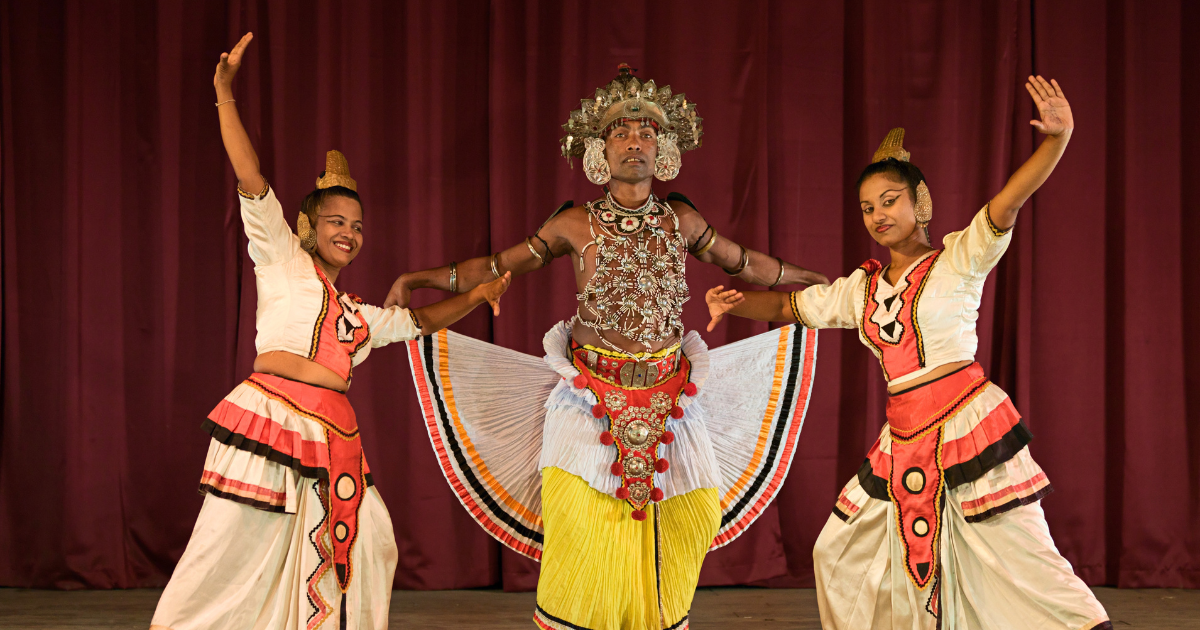
A Kandyan dance performance is the natural close to a full day in the city, with nightly shows at the Kandyan Art Association Hall by the lake.
Is one day enough for Kandy?
A single day is enough to cover Kandy's main sights, but it makes for a full schedule with little time to settle into the city's pace. Travellers who start early, ideally with an overnight arrival the evening before, can fit the temple, the lake, the market, lunch, the Royal Botanic Gardens, a viewpoint and an evening dance performance into one day. Anyone arriving on the morning train from Colombo will need to drop at least one or two of these.
Two nights in Kandy works better for most travellers. It gives a full day for the central sights without rushing, and a second day for whichever items did not fit the first, along with a slower morning around the lake. It also leaves room for the surrounding areas, including the three temples of Embekka, Lankatilaka and Gadaladeniya, the village walks around the Hantana hills, or a half-day at the Ceylon Tea Museum.
Best things to do in Kandy if you have more than a day
A second day in Kandy makes room for the parts of the city most travellers miss on a short visit. The forests, museums and colonial-era streets sit within easy reach of the lake, and together they add the wider Kandyan and British periods to a stay otherwise focused on the temple and its surroundings.
Visit the National Museum of Kandy
The National Museum of Kandy occupies the Palle Vahala, the former queen's chamber building of the royal palace, immediately next to the Temple of the Sacred Tooth Relic. It was established in 1942 and remains the main repository of objects from the Kandyan kingdom period.
The collection covers royal regalia worn by the last Sinhalese kings, ola leaf manuscripts, ceremonial weapons, traditional jewellery and Kandyan dance costumes. A separate room holds material relating to the 1815 Kandyan Convention, the treaty that formally ended the kingdom and handed the territory to the British. Allow around 45 minutes to an hour.
Walk through Kandy's colonial-era centre
The streets immediately around the temple still hold much of Kandy's British-era infrastructure, all within a short walk of the lake. St Paul's Church, built in 1843, stands directly opposite the temple complex and once served the British civil and military community in the central highlands.
A 15-minute walk uphill from the church leads to the Kandy Garrison Cemetery, established in 1822 and containing 163 graves of British administrators, soldiers and their families. The Queen's Hotel, built in 1894 in classical white stucco, anchors the corner opposite the temple and remains in operation today. An hour and a half is enough to cover the loop on foot.
Visit the Ceylon Tea Museum
The Ceylon Tea Museum sits 4km south of central Kandy in a restored 1925 factory at Hantane, the former Hantane Tea Factory. It opened as a museum in 2001 and is run by the Sri Lanka Tea Board, covering the history of tea cultivation on the island from its introduction by James Taylor in 1867.
The four floors hold original processing machinery, archival photographs and a top-floor tea room with views over the surrounding hills. A small shop on the ground floor sells single-estate Ceylon teas from across the country. Allow around two hours for the visit, including the drive from central Kandy.
Join a cooking class or local food experience
Several Kandy-area operators run half-day cooking classes covering the basics of Sri Lankan rice and curry, usually with a morning visit to a market or home garden to gather ingredients. The class itself takes around three hours and produces a sit-down meal of five or six dishes built around coconut, fresh spices and a single protein.
Standard menus cover dhal curry, coconut sambol, jackfruit curry, hoppers or string hoppers, and a fish or chicken curry, with explanations of the regional differences between Kandyan and coastal versions. Most classes run in small groups in private homes or boutique guesthouses, which gives more direct contact with the cook than a hotel demonstration.
Hike in the Udawattakele Forest Reserve
Udawattakele covers 257 hectares of forest directly behind the Temple of the Sacred Tooth Relic, on the slopes rising above the city. It was kept as a royal sanctuary during the Kandyan kingdom and converted to a forest reserve in 1856, making it one of the oldest protected areas in Sri Lanka.
A network of marked trails leads through tropical wet evergreen forest, past a small pond, a meditation cave and several giant strangler figs. The reserve is home to toque macaques, purple-faced langurs and around 80 bird species, including the Sri Lanka hanging parrot. Two to three hours is enough for the main circuit, with a guide recommended for the quieter routes.
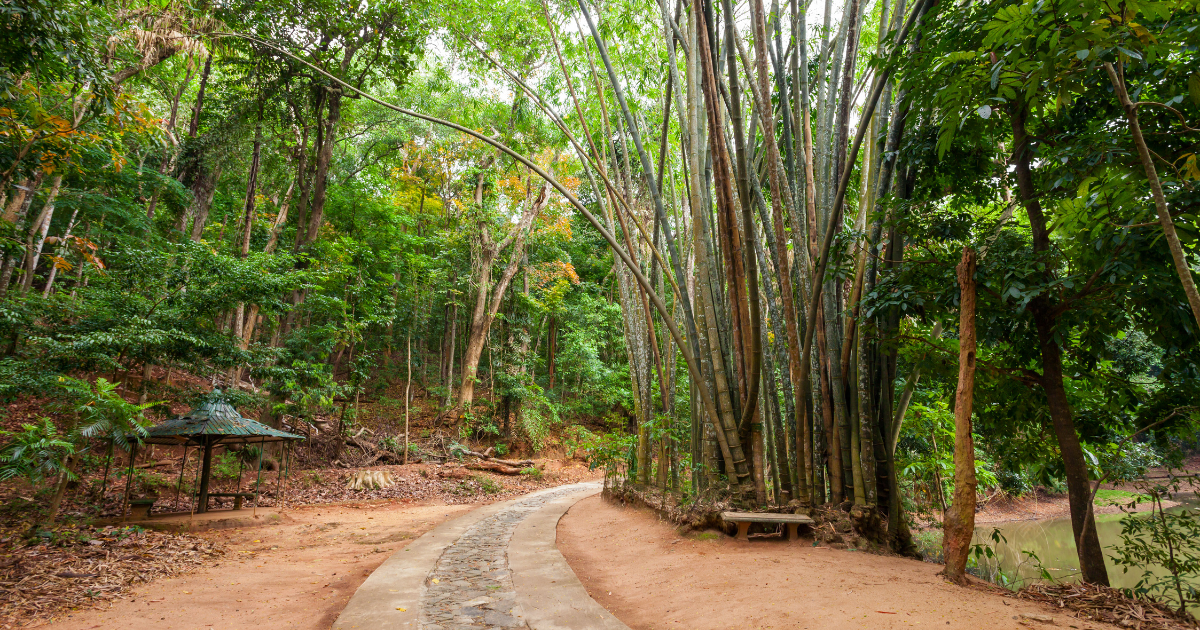
Udawattakele sits directly behind the temple and was kept as a royal sanctuary during the Kandyan kingdom before becoming a protected forest reserve in 1856.
Travel through Kandy with Remarkable East
Planning a longer Sri Lanka journey that includes Kandy? Remarkable East specialises in small group touring across Asia, with departures capped at twelve guests and a regional host travelling with the group throughout. Reach out today see our latest Sri Lanka itinerary and departures.